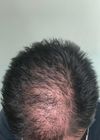
Adipose fat cells and stem cells may help treat hair loss by restoring the scalp's thickness. Treatments like NanoFat injections and Botox are discussed for their potential to promote hair growth.
A user asked if olive oil can replace propylene glycol or glycerin in topical finasteride preparation. Another user advised against it, suggesting MCT oil instead due to olive oil's potential to worsen dandruff and seborrheic dermatitis.
A satirical discussion on intentionally inducing hair loss using harmful habits and substances like cigarettes, junk food, anabolic steroids, and stress. The conversation humorously suggests extreme measures like chemotherapy and hydrofluoric acid, while also mentioning the ineffectiveness of sulfates and pumpkin seed oil in hair loss prevention.
An 18-year-old male experiencing hair loss since 2023 is using minoxidil, microneedling, and topical finasteride. He is considering switching to oral finasteride for potentially better results.
An 18-year-old is concerned that finasteride hasn't stopped his hair loss after several months. Suggestions include giving it more time, combining it with minoxidil, and consulting a dermatologist.
A user shared progress pictures showing significant hair regrowth in the crown area after oiling their hair and scalp twice a week for two months. They used a mix of rosemary, jojoba, coconut, argan, castor, and olive oils.
The user is considering adding castor, rosemary, and pumpkin oils to their current hair loss treatment of finasteride and minoxidil. They are unsure about the effectiveness of these oils.
The conversation is about finding alternatives to Octa Sabal Plus for hair loss treatment. It mentions using ingredients like pumpkin seed oil, octacosanol, and soybean extract, but suggests finasteride as a more effective option.
The conversation is about maximizing hair growth using treatments like oral finasteride, topical minoxidil, caffeine and ketoconazole shampoos, biotin, omega-3, vitamin D supplements, microneedling, and various hair oils such as rosemary, castor, coconut, and peppermint. Users discuss the effectiveness of these methods and share personal experiences with hair oils for scalp health and hair maintenance.
A user seeks a lotion for an inflamed, itchy scalp caused by DHT, asking for options that promote blood flow and contain hair vitamins like caffeine and biotin. Another user suggests using a mix of mustard oil and coconut oil.
A user wants to make a solution for RU58841 and finasteride powder using only glycerin and asks if ethanol is necessary. They are seeking advice on whether glycerin alone is sufficient.
A user is considering using 70% isopropyl alcohol with glycerin as a carrier for topical finasteride for hair loss but is concerned about its safety compared to ethanol. They are unsure where to buy ethanol without toxic methanol.
A user seeks a topical hair loss treatment without minoxidil, considering options like finasteride, dutasteride, caffeine, tretinoin, or prostaglandin analogues. Recommendations include products like Strut, Maximus, Zeuss, and custom formulas from compounding pharmacies.
The conversation discusses hair loss treatments, specifically seeking a 15% glycyrrhizic acid formula without additional ingredients. It also mentions the potential opposite effects of glycyrrhizic acid on humans compared to rats.
The conversation is about finding a legitimate online source for 17α-estradiol (Alfatradiol) powder to make a 0.1% solution for hair loss treatment. A user suggests Anagenica as a source.
The conversation is a humorous take on using a mix of pumpkin seed oil, rosemary oil, peppermint oil, and castor oil for hair regrowth. Someone replied suggesting the results might be similar to someone named Walter.
The user is considering switching to oral dutasteride, topical minoxidil, retinoic acid, and clobetasol for hair loss treatment, after limited regrowth with finasteride and other topicals. They are seeking a source for clobetasol, as they believe it may help with their condition.
The conversation is about a person considering making their own topical finasteride to avoid side effects from oral use. They discuss potential methods and ingredients, including cayenne pepper extract, rosemary, and coconut oil, and seek advice on effectiveness and alternatives like light therapy or dermarolling.
The conversation discusses DHT blocking treatments for hair loss, specifically mentioning Minoxidil, Finasteride, and organic flaxseed oil containing omega-3 fattyacids. It highlights skepticism about alternative treatments and emphasizes the proven effectiveness of Finasteride and Dutasteride.
The user is using finasteride 1mg every other day and seeks a topical solution excluding minoxidil. They are considering various combinations of ingredients like finasteride, dutasteride, and tofacitinib, with options for nourishing oils and other additives.
The user is using 0.1% dutasteride, 1% minoxidil with 2% procapil and 0.005% caffeine in the morning, and 1% minoxidil with 2% procapil and 0.01% tretinoin at night. They are concerned about the solution vehicle's effectiveness in preventing systemic absorption and ensuring the products stay around the hair follicles.
The post discusses using a topical tincture containing zinc, azelaic acid, and other ingredients to inhibit 5 alpha-reductase activity for treating hair loss. The user plans to try this natural alternative before using finasteride or RU58841.
A user is considering switching from oral to topical finasteride to reduce systemic DHT impact and is exploring ethossomal finasteride for better skin penetration and potential hair regrowth. They found ethossomal finasteride in Brazil and are seeking opinions on its effectiveness compared to other topical delivery methods.
A novel hemp extract allegedly promotes better hair growth than minoxidil and finasteride, with minimal side effects, but the study's credibility is questioned due to potential bias and confounding factors like peppermint oil. Users express skepticism and suggest sticking with proven treatments like minoxidil and finasteride.
Alfatradiol is discussed as a weak 5ARI and estrogen, not as effective as minoxidil, RU58841, or CB-03-01, but a safe alternative for those who can't use finasteride. Users express frustration over the lack of strong FDA-approved topical antiandrogens for hair loss.
A user is seeking feedback on a homemade topical finasteride formula for hair loss, consisting of 7.5 mg of finasteride, propylene glycol, ethanol, and distilled water. They aim to achieve a 0.0125% solution by applying 2 ml daily.
The conversation is about the safety of using a product with azelaic acid and other ingredients on a receding scalp for hair loss. Specific treatments mentioned are Minoxidil, finasteride, and RU58841.
The conversation is about creating a natural hair loss topical using ingredients like cetirizine, Zinc Sulphate Heptahydrate, Safflower Extract, Ricinoleic Acid, and others. The user is seeking input and collaboration on this topical formula.
Pumpkin seed oil showed a 40% increase in hair count, but its effectiveness is questioned due to other ingredients in the supplement. Users discuss its potential compared to finasteride, with some expressing skepticism and others showing interest.
User explores no-finasteride hair loss treatments, considering compounds like Minoxidil, Eucapil, Alfatradiol, Stemoxydeine, Azelaic Acid, Retinol, and Ketoconazole Shampoo. They ask about mixing compounds, application schedules, and potential side effects.