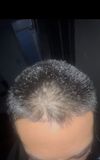
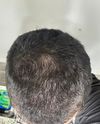
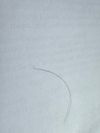
RU58841 worsened hair condition, causing thinning and unusual patterns. The user stopped using it two months ago but hasn't seen recovery, and there's speculation about androgen receptor upregulation.
The conversation humorously discusses the use of pp405 for hair loss, with mentions of finasteride and minoxidil. Users joke about unusual side effects like growing extra body parts.
A humorous discussion about random, long hairs appearing on the body, with no connection to hair loss treatments like Minoxidil, finasteride, or RU58841. Participants share personal anecdotes about these unusual hairs.
After stopping finasteride, the user retained hair without noticeable balding, suggesting an unusual reaction to the medication. The user initially experienced rapid hair loss and itchiness, possibly due to male pattern baldness, but maintained hair stability after tapering off finasteride.
Finasteride is humorously claimed to enable communication with sea mammals, with users sharing exaggerated side effects and alternative hair loss treatments like olive oil and onion. The conversation is satirical, with users joking about unusual experiences and results.
A user experienced significant hair loss after starting microneedling, despite using dutasteride and topical minoxidil. They are advised to consult a doctor as the shedding pattern is unusual and may indicate alopecia areata or other scalp conditions.
A user experienced a tingling sensation in their mouth after taking a cut finasteride pill, possibly due to inactive ingredients like mannitol or sodium lauryl sulfate. Tingling is not a common side effect or typical allergy sign, but monitoring for unusual reactions is advised.
The conversation discusses the fluctuation of testosterone levels in men under 40 and the difference between serum DHT and scalp DHT. It also mentions that DHT levels are higher on Dutasteride than on Finasteride, which is unusual.
The conversation is a satirical discussion about using grapefruit for hair regrowth, with suggestions ranging from injecting it to applying it topically or anally. Some users claim unusual benefits like emitting a green aura or jumping high.
A user's experimentation with various hair loss treatments, including medications and topical applications; as well as their desire to experience unusual sensations through the use of drugs.
A 33-year-old experienced significant hair loss after a depressive episode and taking paroxetine, possibly due to telogen effluvium or androgenic alopecia. Suggestions included reducing alcohol, considering finasteride and minoxidil, and consulting a doctor about antidepressant side effects.
A user did not respond to finasteride, dutasteride, and oral minoxidil for hair loss after four years of treatment and is considering scalp micropigmentation (SMP). Other users suggest the hair loss pattern may indicate alopecia areata and recommend seeing a dermatologist.
A 19-year-old is experiencing worsening hair loss and severe seborrheic dermatitis despite using finasteride for six months. Nizoral (ketoconazole) is no longer effective, and they are seeking over-the-counter solutions and advice for an upcoming dermatologist visit.
A user using finasteride and dutasteride to treat hair loss, but still losing hair rapidly after stopping minoxidil. Replies suggest that the user should try oral minoxidil or switch to dutasteride for better results.
Finasteride may affect male offspring's fertility and hormonal balance, with debates on whether to discontinue use before conception. Some users report no issues, while others highlight the high doses used in rat studies.
Finasteride helped OP recover their hairline, and they did not use minoxidil. OP experienced significant hair regrowth with finasteride, similar to their father's experience.
A trans man shared his 5-month progress using finasteride and minoxidil for temple regrowth, noting slow but steady results. Despite some negative comments, he received support and encouragement from others, with advice to start treatment early for best results.
The user has been using minoxidil 5% and finasteride 0.1% topically, along with oral minoxidil and finasteride, for three months without major improvement in hair loss. They are also taking vitamin D3, B12, iron, and zinc supplements.
A dermatologist recommended using topical Dutasteride (15%) once a week, alongside oral Finasteride and Minoxidil, to improve hair strength and response. The user is seeking experiences or evidence on the effectiveness of this high-concentration regimen.
The user experienced rapid hair thinning on top of the head after two GFC treatments, despite using topical minoxidil for four years. Hair on the sides and back became thicker, leading to confusion and questioning of the treatment decision.
A 17-year-old is experiencing rapid hair loss over two weeks and is advised that treatments like minoxidil and finasteride can help. It's noted that lighting and angles can affect the appearance of hair loss, and a guide is recommended for further advice.
The conversation is about a user concerned about a prescribed 5 mL daily dose of 5% minoxidil for seborrheic dermatitis and hair thinning, which seems excessive compared to the typical 2 mL recommendation. The user is advised to consult their dermatologist and consider additional treatments like ketoconazole and CBD+MCT.
The user has been using 1mg finasteride for 7 months without shedding but is now experiencing significant hair loss in the shower. They are concerned and questioning if this is normal.
The user experienced mental side effects from oral finasteride, such as brain fog and low mood, and switched to topical finasteride combined with minoxidil. They are monitoring mental clarity and hair progress after stopping oral finasteride.
A user experienced significant hair loss despite using Dutasteride and RU58841 for three years, questioning the effectiveness of these treatments. They are considering a scalp biopsy to explore other potential causes of hair loss.
The conversation is about alternatives to minoxidil for hair growth, as the original poster experienced chest tightness from using it. They are currently using finasteride and considering options like rosemary oil, pumpkin seed oil, and other topical treatments, but acknowledge that minoxidil and finasteride are the most scientifically supported treatments.
Switching from tretinoin to tazarotene with minoxidil led to new hair regrowth after years of maintenance. Tazarotene's selectivity and higher concentration might be more effective for hair growth.
PP405 is in phase 2 trials for hair loss, with discussions on its cost and effectiveness compared to minoxidil and finasteride. Users are skeptical about its efficacy and timeline, with hopes for market release by 2027.
Shedding after a break from minoxidil or RU58841 means hair falls out or becomes thinner and weaker quickly before falling. The discussion clarifies the nature of hair shedding with these treatments.