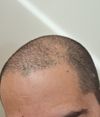
Increasing finasteride dosage can cause significant hair shedding initially. Users suggest adding minoxidil or switching to dutasteride for better results.
A 19-year-old experienced worsening hair loss after 4 months on finasteride, despite initial improvement with minoxidil. The consensus is to continue treatment for at least a year, as shedding is common and often temporary.
A user shared their two-year progress using 2.5mg finasteride daily and minoxidil twice daily, recently adding topical dutasteride. Another user questioned the high finasteride dosage, noting no benefits over 1mg.
User shared progress pictures showing significant hair improvement after using finasteride (0.25-0.5mg daily) for 11 months. Other treatments like microneedling, ketoconazole, and scalp massage were mentioned but not used consistently.
User is using topical Minoxidil (100 mg/day) and Finasteride (1 mg/day) but experiencing hair growth everywhere except the top of the scalp. They seek advice on improving scalp hair regrowth.
The conversation discusses an individual's 11-month hair regrowth progress using 1mg of finasteride daily. People are curious about the user's age, whether they used minoxidil, and if there were any side effects.
A user experienced severe side effects, including heart-related symptoms, after increasing their oral minoxidil dosage to 5 mg, leading them to stop the medication and seek medical advice. Many users advised against high doses of oral minoxidil, suggesting anxiety as a possible cause, and recommended consulting a doctor or switching to topical treatments.
A user shared their 115-day progress in treating hair loss using 5% Minoxidil, topical Finasteride, biotin, microneedling, and collagen peptides. They reported visible improvement and no side effects from topical Finasteride, unlike the oral form.
People are frustrated with the lack of new hair loss treatments stronger than minoxidil and finasteride. Some are using dutasteride to maintain hair while hoping for future solutions.
The user is 3 months into using dutasteride and oral minoxidil after switching from finasteride, noticing potential regrowth with small hairs at the temples. They take 2.5mg oral minoxidil and 0.5mg dutasteride daily, with some eyelash and eyebrow growth observed.
The conversation discusses starting finasteride 1mg daily for hair loss and mentions a high baseline DHT level. Users comment on the unusually high DHT level and its potential causes.
The user reviewed the Kiierr 312 MD DualWave Laser for hair loss, using it alongside ketoconazole shampoo, Svvimer products, and oral finasteride. They also mentioned using minoxidil on their face and adjusting lifestyle factors like sleep, vitamin D, and protein intake.
The user is happy with hair growth progress after using topical finasteride (0.1%) and minoxidil (7%) daily for over three months, despite some initial shedding. Other users discuss dosage, lighting in photos, and the effectiveness of topical versus oral treatments.
A 29-year-old male on 1 mg Finasteride for 3 months has experienced a significant increase in testosterone and estradiol levels, with no major side effects except slightly oilier skin and increased emotional sensitivity. The user is concerned about these hormonal changes and seeks advice, as their general practitioner is not knowledgeable about the issue.
A 45-year-old male experienced significant hair regrowth and thicker eyebrows and eyelashes after five months of using oral finasteride (1.2mg) and minoxidil (3mg), despite initial side effects. He noticed improvements within the first month and reported minimal shedding, with the treatment being more effective than topical solutions.
The user is considering a hair transplant to increase hair density after using finasteride and minoxidil for two years. They prefer a natural hairline and are unsure if a transplant is suitable for overall thinning.
The user is using minoxidil, finasteride, ketoconazole shampoo, biotin, and omega-3 for hair loss treatment. They are concerned about progress, but responses suggest patience and addressing dandruff for better results.
A user shared progress pictures after one year of using 2.5mg Minoxidil and 1.25mg Finasteride for hair loss. The discussion includes suggestions for additional treatments like dermastamping, dutasteride, and increasing Minoxidil dosage, with mixed opinions on the effectiveness of current treatments.
PP405 is expected to be more expensive than finasteride and minoxidil initially due to patent protection, but not as costly as life-saving medications like Ozempic. The price may decrease after the patent expires, but initially, it might be around $100 per month, making it potentially unaffordable for many.
A 31-year-old has been using finasteride, dutasteride, and oral minoxidil for hair loss. They noticed a sudden triangular thinning patch on their scalp and are seeking advice, questioning if it could be medication-related.
The user experienced significant hair regrowth using 1mg of finasteride three times a week, with mild side effects like gynecomastia and breakouts. They are considering starting minoxidil.
The conversation discusses the ineffectiveness of tablet forms of dutasteride for hair loss due to poor absorption compared to soft gel capsules. It suggests switching to FDA-approved soft gel capsules for better results, as tablets may not adequately suppress DHT levels.
The conversation discusses starting low-dose oral finasteride for hair loss, considering hormone levels and potential side effects like gynecomastia. Suggestions include using DIM for estradiol, vitamin B6 for prolactin, and lifestyle changes to optimize hormone profiles before starting treatment.
Minoxidil, dutasteride, and finasteride treatments have significantly increased eyelash length, with some users experiencing eyelashes over twice the average length. Many users report increased hair growth in unintended areas, such as knuckles and body hair, while still struggling with hair loss on the scalp.
The user is using a comprehensive hair loss treatment including oral dutasteride, minoxidil (both oral and topical), topical finasteride, RU58841, ketoconazole shampoo, and a derma roller, while also using anabolic steroids. Opinions vary, with some users noting stability or slight improvement, while others suggest the treatment may not be effective due to anabolic use.
Visible hair improvement after 10 weeks using minoxidil, estradiol enanthate, acetophenide algestone, and bicalutamide. The user is a 25-year-old male with reduced testosterone levels, expressing a preference for less masculinity.
A 32-year-old male used 1.25mg oral finasteride daily and 1ml topical minoxidil twice daily for 24 weeks, experiencing improved skin and hair growth with initial side effects that resolved after three weeks. He plans to try dermastamping to address a stubborn cowlick area.
Taking dutasteride daily at higher doses results in more effective DHT suppression compared to every other day dosing, due to its dose-dependent nature and long half-life. Even at lower doses, dutasteride is more effective than finasteride for hair loss.
Taking CoQ10 and fish oil supplements may lead to increased body hair growth and a crawling sensation on the scalp and skin. The user suspects these supplements could be linked to hair growth, possibly due to their effects on heart health and cholesterol management.
A 22-year-old male has been using finasteride, topical minoxidil, and oral minoxidil for hair loss but sees minimal improvement and is considering adding dutasteride. Users suggest additional treatments like dermarolling, PRP, and consulting a dermatologist, or considering a hair transplant.