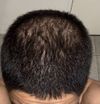
Hair loss treatments, specifically Pyrilutamide and Minoxidil/Finasteride/RU58841. Participants discussed their experiences with them and the results they have seen so far.
A 21-year-old male is anxious about hair loss and its impact on marriage prospects. He has been using Minoxidil for 3 years, plans to start Finasteride in January 2023, and is also using Procapil and supplements.
A user experienced increased estradiol, nipple tenderness, and ED after taking finasteride. They are considering dose reduction to mitigate these effects.
Switching from finasteride to a generic dutasteride led to unexpectedly high DHT levels, prompting a switch to a reputed brand and consideration of softgel capsules for better absorption. The user plans to retest DHT levels and may return to finasteride if issues persist.
The user has been taking dutasteride twice a week for seven months, experiencing hair shedding and fragile strands. Suggestions include taking dutasteride daily and adding topical minoxidil and tretinoin.
Pyrilutimide and CB-03-01, two treatments for hair loss, have similar clinical trial results despite different binding affinities to androgen receptors. Factors other than binding affinity, like the time a drug stays bound to the receptor, may influence their effectiveness.
Finasteride may affect neurosteroids, impacting mood and sexual function, with varied user experiences. Some report side effects like depression and sexual dysfunction, while others find it effective for hair retention or prefer alternatives like Dutasteride or topical treatments.
A 35-year-old started finasteride in 2014 for hair loss and maintained hair density for 7 years, occasionally using ketoconazole shampoo. Switched to dutasteride in 2022 due to increased hair fall, experimented with dosages, and found a combination with tamsulosin effective despite initial adverse reactions.
The user is experiencing hair loss despite using oral dutasteride for 7 months and topical minoxidil for 3 months. They are concerned about miniaturization and question if the current minoxidil application is less effective without the previous finasteride mix.
The user continues to experience hair loss despite using dutasteride 2.5mg, minoxidil 5mg, and ciclopirox shampoo, and plans to reassess after one year. Others report similar issues with dutasteride, with some switching to finasteride or adding RU58841.
The user has been on 1 mg oral finasteride for 12 months but feels they have lost some hair density and are considering switching to dutasteride. They are hesitant to use minoxidil due to scalp irritation and are seeking advice on maintaining hair into their 30s.
The conversation is about trying dutasteride mesotherapy for hair loss, with concerns about its effectiveness and potential side effects compared to finasteride. The user is considering this treatment available in California.
A 43-year-old experienced gynecomastia after 20 years of taking dutasteride and 7.5mg oral minoxidil. Suggestions include consulting an endocrinologist, checking hormones, and considering Nolvadex or DIM supplements.
The user experienced hair thinning from chromium and alpha lipoic acid supplements, which stopped after discontinuing them. Someone mentioned this could be telogen effluvium, a temporary condition.
CB 03 01 (Breezula) was tried for hair loss but showed no significant improvement, with issues in dissolving and application. Finasteride and dutasteride remain the most effective treatments, while minoxidil is also used; CB's effectiveness is questioned, and topical alternatives like bicalutamide are considered.
The user experienced constipation and gas issues possibly linked to Minoxidil and Dutas use, leading them to stop and later restart Minoxidil without lactose. They recently began using finasteride and are awaiting a SIBO test to understand their gastrointestinal issues.
The user is considering using topical dutasteride to prevent hair loss progression from Norwood 1 to Norwood 2 at age 25, and is concerned about the long-term effectiveness and potential shedding from the treatment. They are currently using a shampoo with caffeine, rosemary, and saw palmetto, and have noticed hair thinning and changes since age 20.
The user has been using finasteride for hair loss and is considering adding RU58841. They ask about RU58841's effectiveness, potential heart side effects, duration of action, dosage increase over time, transitioning to GT20029, and where to find the liquid form.
The conversation discusses the absorption and effectiveness of PG-free versus PG versions of RU58841, with some users believing PG improves efficacy while others see no difference. Concerns about RU58841's potential side effects on the endocrine system are also mentioned, with one user considering switching to pyrilutamide.
RU58841 is being considered for hair maintenance by someone who can't tolerate finasteride. Alternatives like topical finasteride, dutasteride, and KX826 are also suggested.
A 33-year-old is considering using Minoxidil and Dutasteride for hair loss but is hesitant due to concerns about long-term commitment and side effects. They are advised to consider starting with topical treatments to assess their response.
The user experienced a receding hairline and tried minoxidil, which may have slowed the process but caused puffy eyes. They are hesitant to use finasteride and suspect oily dandruff might be an aggravator.
KY-19382, an indirubin derivative, is discussed for its potential to stimulate hair growth and create new hair follicles. The conversation seeks experiences with synthesizing, topically applying, or orally administering KY-19382.
Topical Dutasteride is more effective than topical Finasteride for treating AGA in men, with fewer side effects. Mesotherapy with Dutasteride, administered every 3 months, shows promising results for hair regrowth and maintenance without daily routines or significant side effects.
Switching from finasteride to dutasteride can cause increased hair shedding, which may last several months before potential regrowth. Some users suggest combining both medications or waiting up to a year for improvement, while others report better results with finasteride alone.
Finasteride is effective for hair loss but can cause sexual dysfunction and mental health issues in some users, leading to a polarized debate on its risks. Some switch to alternatives like Dutasteride or topical treatments to avoid side effects.
A user shared their hair loss journey, starting with minoxidil and finasteride, and later switching to dutasteride, but still experiencing hair loss. Other users discussed their experiences with dutasteride, noting side effects like shedding and reduced libido, but some reported maintaining their hair over time.
A 23-year-old male has been using Dutasteride for 10 months, alongside topical Minoxidil and Ketoconazole, but is experiencing increased hair thinning, particularly at the crown. Despite trying different dosages and treatments, including a brief attempt with oral Minoxidil, the user is frustrated with the lack of improvement and is seeking advice from others with similar experiences.
A 21-year-old male is using a topical treatment for hair loss, including Dutasteride, Minoxidil, Tretinoin, Ketoconazole, and Hydrocortisone, along with derma rolling. He reports no side effects from the treatment and seeks feedback on its effectiveness for hair regrowth.
The conversation is about hair loss treatments, specifically setipiprant, which the user is considering after experiencing side effects from finasteride and dutasteride. Another user mentions that setipiprant was ineffective in clinical trials.