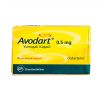
The user had high DHT levels after 8 months on dutasteride, questioning the drug's authenticity. They got dutasteride from a legitimate source and will update on progress.
User on fin, minox, and ketoconazole seeks to add another topical anti-androgen. Hierarchy of effectiveness: 1. RU55841, 2. Fluridil - Eucapil, 3. CB-03-01 - Breezula, 4. Ketoconazole; alfatradiol suggested as addition.
Concerns about the long-term effects of dutasteride and finasteride on fertility, with discussions on cycling these medications to mitigate risks. The conversation highlights skepticism about study methodologies and the importance of weighing treatment risks against potential fertility issues.
Fluridil may decrease the number of androgen receptors in hair follicles by up to 95%. This suggests a different action mechanism from other non-steroidal antiandrogens like RU58841, indicating they might be used together.
The user has been using oral minoxidil and dutasteride for hair loss without success and is considering adding topical 17α-estradiol, Pyrilutamide, Clascoterone, or cetirizine. They have confirmed low serum DHT levels and are exploring additional treatments due to genetic sensitivity to DHT and prostaglandin D2.
Despite using 5% minoxidil, 0.1% finasteride, and other treatments like microneedling, MK-677, and Cialis, hair loss continues with high testosterone and DHT levels. Considering oral dutasteride but concerned about further increasing testosterone levels.
Prolactin and cortisol are identified as key factors in hair loss, with stress hormones impacting hair shedding. Finasteride and minoxidil are effective treatments, while DHT's role and individual sensitivity are significant factors.
Higher doses of dutasteride, such as 2.5mg, are more effective at reducing scalp DHT than 0.5mg, but are costly and inconvenient. A 1mg dose is considered a more affordable and practical option, though its efficacy is uncertain.
A 22-year-old with high estradiol levels is considering starting finasteride for hair loss. They have an upcoming endocrinologist appointment to discuss whether they should proceed with the treatment.
A user previously claimed to take 40mg of dutasteride daily and planned to try Cyclosporine, but their account and comments have since been deleted, raising concerns about their well-being. Other users discussed the risks and effectiveness of high doses of dutasteride, with some sharing their own experiences using dutasteride, finasteride, and minoxidil for hair loss treatment.
The conversation discusses using homemade topical finasteride for hair loss, showing an increase in DHT levels despite treatment. The user applies 0.125mg daily, resulting in 113.4% of previous DHT levels.
Dutasteride effectively reduces DHT levels and significantly increases testosterone levels. Users are cautious about adding oral minoxidil due to potential heart issues and are considering dosage adjustments with medical guidance.
A female user is using a 5% RU58841 solution with 5 sprays daily and is concerned about potential reactions and the impact of wearing a bonnet. A male user mentioned using 1ml of the same solution daily via dropper.
The user is experiencing rapid hair loss despite using dutasteride, finasteride, and minoxidil, and is concerned about high estradiol and testosterone levels. They are advised to consult an endocrinologist for potential hormonal imbalances.
A 22-year-old male started taking finasteride a month ago and is seeing some progress in hair loss treatment. He is concerned about high estradiol levels but plans to continue the medication and consult an endocrinologist.
The conversation discusses the ineffectiveness of tablet forms of dutasteride for hair loss due to poor absorption compared to soft gel capsules. It suggests switching to FDA-approved soft gel capsules for better results, as tablets may not adequately suppress DHT levels.
The conversation is about the potential impact of RU58841 on male fertility, specifically regarding sperm concentration, total count, and motility. The user is curious about the likelihood of RU58841 reducing fertility based on its mechanism of action and comparisons to similar substances.
The user is confused about the pricing and concentration of pyrilutamide powder for hair loss treatment. They calculate that 500mg of pyrilutamide can make ten 1ml applications of a 5% solution, costing $119.
The user checked iron, ferritin, B12, zinc, testosterone, DHT, and estrogens to understand hair loss causes and the effects of dutasteride. They also noted increased heart rate and paleness with oral minoxidil.
The user is using RU58841 twice daily, dutasteride 0.5mg every two days, dutasteride mesotherapy every three months, and 20mg oral minoxidil daily. Other users suggest this regimen is excessive and recommend adding microneedling and ketoconazole shampoo.
Taurine shows potential in combating hair loss caused by chemical stress, especially when combined with other treatments like finasteride. Finasteride demonstrated better stress-reducing effects in the study.
The conversation discusses using topical liposomal finasteride for hair loss, with concerns about high DHT levels. The user's DHT level is above the normal range, which may affect hair health.
The user has been using dutasteride and finasteride but still experiences hair loss and high DHT levels. They plan to try topical finasteride and RU58841 while continuing dutasteride to see if topicals are more effective.
The half-life of Dutasteride is commonly stated as around 5 weeks, but some sources suggest it is 170 hours for men aged 20–49, with further information indicating it varies from 3 days to 5 weeks depending on the dose. The user is seeking clarity on these conflicting figures.
Progesterone, hydrocortisone butyrate, and estrone base are discussed as treatments for hair loss. Topical progesterone and dutasteride are suggested to potentially reverse androgenic alopecia.
Serum DHT is mostly inactive; sebum DHT is a better measure for hair loss. Users discuss using finasteride, dutasteride, and topical treatments like KX826 and RU58841 for better scalp DHT suppression.
Clascoterone 5% solution is not yet commercially available, with only the 1% solution currently sold for acne. Users discuss the potential of Clascoterone as a hair loss treatment, comparing it to other anti-androgens like RU58841 and Eucapil.
A user has been taking finasteride for 5 months with no improvement in diffuse hair loss and suspects high levels of prolactin, cortisol, progesterone, and DHEAS, as well as iron, might be contributing to the issue. They are also taking vitamin D to address a deficiency.