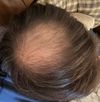
A male in his early 20s with CCCA (scarring alopecia) started treatment with Finasteride, Fluocinolone, and Doxycycline. Steroid injections were suggested but not yet done.
The conversation is about a female seeking advice on using bicalutamide for female pattern hair loss (FPHL) and considering switching from pumpkin seed oil pills to a stronger treatment. She is looking for dosage information to discuss with her dermatologist.
A 40-year-old shared progress pictures showing results after 3.5 months of using dutasteride for hair loss. The conversation likely discusses this specific treatment and its effects on hair regrowth.
The user experienced side effects from low-dose topical finasteride and is considering using clascoterone (CB-03-01) despite concerns about its risks and cost. They seek advice on its effectiveness and potential side effects compared to other treatments like alfatradiol and fluridil.
Clascoterone and RU58841 are compared for effectiveness in treating hair loss. The discussion involves treatments like Minoxidil, finasteride, and RU58841.
The user switched from finasteride to dutasteride and is using minoxidil and RU58841 for hair loss treatment. They are satisfied with the progress and considering a hair transplant, despite some initial shedding after the medication change.
The user experienced severe sexual side effects from topical finasteride with minoxidil but found no side effects with low-dose dutasteride and finasteride serums from Ulo after a hair transplant. They also used a hair growth serum with saw palmetto without side effects.
A dermatologist advised a patient to stop taking finasteride (fin) after turning 40 due to potential risk of aggressive prostate cancer. The patient and others in the conversation debated this advice, discussing the relationship between finasteride, prostate cancer, and hair loss, and considering alternatives like topical finasteride.
The conversation is about a user obtaining a compounded treatment for hair loss, including 0.1% latanoprost, 0.2% melatonin, and 1% cetirizine. The user also uses 2.5 mg dutasteride, 5 mg minoxidil, and RU58841 daily, and is at Norwood 2.
Kintor Pharma completed patient enrollment for a Phase II trial in China for GT20029, a potential new treatment for hair loss. Some believe GT20029 could replace finasteride if effective, while others discuss finasteride's limited efficacy and potential underreported side effects.
RU58841 and Pyrilutamide (Kx-826) are both topical anti-androgens, but neither is effective for hair regrowth. RU58841 has more anecdotal support, while Pyrilutamide has progressed further in trials, though both have limitations.
Dr. Bloxham's 9-month update on FUT scar revision with Verteporfin shows promising results. Excitement is high for FUE, which appears highly effective based on Dr. Barghouthi's findings.
The user is considering microneedling versus a hair transplant (HT) for crown hair loss while currently using dutasteride and oral minoxidil. They are hesitant about microneedling due to potential scarring but are open to trying it before deciding on a hair transplant.
Hair loss treatments discussed include Minoxidil, Finasteride, and RU58841. Pyrilutamide Phase 2 results are expected in June 2022, with hopes for a better alternative to current treatments.
Combining Finasteride with topical Quercetin, Onion/Garlic juice and Peppermint Oil to reduce Wet Prostate Weight in Rats. Luke10191 asked the user LITUATUI to update them on progress after trying this combination of treatments for hair loss.
Potential success with the hair loss treatment Pyrilutamide, and possible group buying opportunities for it along with other treatments such as Finasteride and Minoxidil.
A 30-year-old woman with androgenetic alopecia is considering bicalutamide to slow hair loss but is concerned about its impact on muscle growth due to its anti-androgen effects. Alternatives suggested include dutasteride, spironolactone, RU58841, and minoxidil, with concerns about bicalutamide's side effects.
The GT20029 tincture, a topical androgen receptor degrader, showed significant hair growth and good safety in a China Phase II trial for male androgenetic alopecia (AGA), with the 1% dose twice weekly identified as optimal. The company plans to initiate Phase III trials in China and Phase II in the U.S., and the treatment also shows promise for acne.
The conversation discusses finding sources of Dutasteride in Europe for mesotherapy to treat hair loss. It also mentions using Minoxidil, Finasteride, and RU58841 as treatments.
Topical dutasteride with microneedling and mesotherapy dutasteride injections are effective treatments for androgenetic alopecia in both men and women. These methods offer promising alternatives to oral therapies with potentially fewer systemic side effects.
The conversation discusses the difference between the commercially available Pyrilutamide and the version in clinical trials. It also mentions treatments like Minoxidil, finasteride, and RU58841 for hair loss.
Hair loss treatments discussed include cosmeRNA, minoxidil, finasteride, RU58841, and pyrilutamide. Users debate effectiveness, side effects, and upcoming treatments, with some expressing skepticism and others optimism.
The user experienced hair loss and itching after stopping RU58841 and resumed it to stop these symptoms. They also use Dutasteride and question which treatment is effective.
GT20029 showed significant hair growth and safety in phase II trials, with no adverse sexual events. Users are hopeful but concerned about future costs and systemic effects.
The conversation is about a user experiencing positive hair regrowth results using 1mg of dutasteride, 10% minoxidil, and occasional microneedling, after unsatisfactory results with finasteride. Other users express interest in switching to dutasteride and share similar sentiments about finasteride.