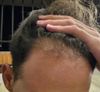
The conversation is about finding reviews for a surgeon specializing in FUE hair transplant surgery. The user seeks assurance of the surgeon's quality work.
Finasteride and minoxidil are effective for hair regrowth, with some users experiencing significant improvement without side effects. However, results vary, and some people report side effects or no improvement.
A user shared their 8-year journey with hair loss treatments, including oral minoxidil, dutasteride, Propecia, and a 2500 FUT hair transplant, leading to significant hair regrowth and a healthy lifestyle. They experienced some side effects like oily skin and a higher-pitched voice but maintained high testosterone levels and a strong libido.
The conversation is about a user considering a hair transplant with BlueMagic Group and seeking real experiences and advice. Users suggest verifying who performs the surgery, looking for long-term results, and ensuring thorough communication before proceeding.
The user tried minoxidil 5% for 3 years with little improvement, then switched to a 15% minoxidil with 0.1% finasteride solution once daily and started using pyrilutamide, resulting in significant hair regrowth over time. They are considering a hair transplant but are continuing with topical treatments to maximize hair growth first.
User considers trying AAPE for hair restoration, costing $700 for 6 months. Others discuss its potential effectiveness and mention a study with promising results.
The user had four DHI hair transplants from 2021 to 2025 and is concerned about the lack of hair thickening despite using treatments like finasteride and minoxidil. They are seeking advice on why these efforts aren't working.
The conversation is about finding reputable clinics in Canada or near the US border that offer DUT mesotherapy for hair loss. The user is seeking recommendations and cost information for these treatments.
The post discusses a user's successful hair recovery using minoxidil, finasteride, and hormone replacement therapy (HRT) with cyproterone acetate and estradiol. The user experienced significant improvement in hair density and hairline recovery.
Trans woman experiencing thinning hair despite low testosterone and finasteride use seeks possible causes and solutions. Current treatments include finasteride, spironolactone, estradiol, vitamins, and microneedling; minoxidil not tried due to concerns about dependence and side effects.
A user suggests that deeper microneedling with Verteporfin injections might help regrow hair in areas with scar tissue, alongside a DHT blocker. Another user explains that hair loss might be due to reduced Wnt/β-Catenin signaling and suggests that treatments like Minoxidil, Finasteride, and microneedling could potentially reverse it.
ET-02, a new hair loss treatment, shows promising results with a 6-fold increase in hair count, potentially outperforming minoxidil by activating stem cells in hair follicles. Further trials are ongoing to confirm its efficacy and safety, with potential market release in the future.
The user is seeking advice on improving their hairline, currently using dutasteride 0.5mg/day and oral minoxidil 5mg/day for 14 months. They want to avoid a hair transplant and are concerned about thin hair and receding temples.
The user experienced significant hair regrowth using finasteride, minoxidil, and microneedling, but saw a decline after reducing treatments and stopping gym workouts. They plan to restart microneedling and consider a hair transplant in the future.
A user shared their positive experience with finasteride and a 1000 FUE hair transplant for the frontal region, noting significant improvement in the crown area with medication alone. They emphasized patience with finasteride, as results vary from person to person.
Hair cloning technology is advancing, with clinical trials for improved methods expected by 2028 and 2029, potentially offering a solution for hair loss if donor follicles remain. Organtech's expansion into other biotech areas may secure funding, but the effectiveness of cloning depends on the availability of androgen-resistant donor follicles.
The user is experiencing hair loss despite using estradiol, bicalutamide, dutasteride, and topical minoxidil. They stopped minoxidil temporarily, which worsened their condition, and are considering oral minoxidil but are concerned about side effects and cost.
A 19-year-old trans female has been using topical minoxidil and dermarolling for nearly two months, alongside oral minoxidil, finasteride, spironolactone, and estrogen. She noticed significant hair improvement after starting topical minoxidil and dermarolling.
The user transitioned from finasteride to Cyproterone and started using Minoxidil, resulting in healthier hair and regrowth. They plan to wean off Minoxidil in a year, depending on regrowth.
Hair transplants in Bangkok are praised for their natural appearance, with a zigzag hairline design being favored over straight lines. The clinic Hairtran and Dr. Patty receive positive feedback, though some users express skepticism about photo filters and the authenticity of results.
L. reuteri, a probiotic, is being explored for its potential benefits in treating androgenic alopecia, possibly enhancing finasteride's effects and reducing inflammation. The user combines this with finasteride, oral minoxidil, and other supplements, noting some improvement in hair loss.
The user is deciding between a hair transplant and using minoxidil for hair loss. Another user suggests using minoxidil, finasteride, and engaging in physical activity.
The conversation discusses hair loss treatments, specifically progesterone therapy with hydrocortisone butyrate, and the use of dutasteride and finasteride. Opinions vary on the effectiveness and side effects of these treatments, with some users advocating for acceptance of balding if treatments are not suitable.
HMI-115, a potential treatment for hair loss that can reverse miniaturization and make individual hairs thicker, as evidenced by data from macaques given the treatment and one subject in the phase I trial.
A user who was part of an ongoing trial for a prolactin blocker and had regrowth, but the progress photos were not shared due to negative reactions from other users. Treatments mentioned include HMI-115, Minoxidil, Finasteride, and RU58841.
Hope Medicine's announcement of the HMI-115 Phase II clinical trial for androgenetic alopecia in China; other related trials have been conducted or are ongoing in different countries, including Australia, US, and Europe. There is speculation that the product may be accepted across borders without additional testing.
User shared a 10-month update after a 4000-graft hair transplant, using finasteride, minoxidil, hair density shampoos, hair oils, and vitamins. Replies suggest patience as crown growth can take up to 18 months.
User follows a hair loss protocol with topical finasteride, minoxidil, RU58841, stemoxydine, and microneedling. They plan to get a hair transplant at month 9 and ask for opinions on their progress.
The user experienced significant hair shedding and dryness after starting minoxidil 8 months post-hair transplant, despite using finasteride and oils like castor and pumpkin seed oil. They expressed concern over the loss of density and the appearance of a failed transplant.