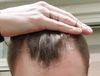
New product Tomorrowlabs HSF targets hair loss through HIF pathway indirectly by removing scalp iron. Minoxidil and Stemoxydine also relate to HIF pathway.
A user discusses their experience with dissolving high concentrations of minoxidil in various ethanol/PG ratios and mentions difficulties with combining it with RU58841. They note that a 5% minoxidil solution remains stable, while higher concentrations tend to precipitate.
RU58841 is a controversial hair loss treatment with mixed reviews; some users report success, often in combination with other treatments like finasteride or minoxidil, while others experience side effects like chest pain. The treatment's discontinuation is speculated to be due to patent expiration and lack of profitability, despite some users continuing to use it as part of a broader regimen.
The conversation is about hair loss treatments, specifically discussing the use of Minoxidil, Finasteride, and RU58841. A user inquired about the availability of Winlevi (clascoterone) for hair loss.
High cost of studying 3α-Hydroxysteroid dehydrogenase in hair loss led to suggestions of crowdfunding for research. Users discussed using Procyanidin B2/melatonin topical treatment and tracking funds with blockchain.
A 20-year-old is experiencing hair thinning due to vitamin D deficiency and has completed a vitamin D prescription without seeing improvement. Suggestions include waiting a few months for potential regrowth or considering treatments like minoxidil or finasteride for androgenetic alopecia.
LLLT (low-level laser therapy) is as effective or better than traditional minoxidil treatment for hair growth, with fewer side effects and improved long-term compliance due to milder adverse effects. Studies show LLLT increases hair density more than minoxidil, but drawbacks include the initial cost and the need for long-term use to see results.
OP experienced thicker hair and less shedding with Nutrafol Women’s Balance but had flushing due to ingredients, and is considering switching to Viviscal Pro with saw palmetto. A user shared that Viviscal increased shedding for both him and his girlfriend, and suggested stopping Nutrafol if the hair loss is due to Telogen effluvium.
Dr. Reddy's Mintop Yuva 5 Minoxidil uses benzyl alcohol instead of ethyl alcohol or propylene glycol. The user is inquiring if this formulation causes dandruff or skin peeling and if its efficacy is affected.
The conversation discusses using liquid cetirizine as a topical treatment for hair loss. It mentions Minoxidil, finasteride, and RU58841 as other treatments.
JW0061 shows superior hair growth results compared to existing treatments, with significant increases in hair follicles. The Wnt/β-catenin pathway is crucial for hair growth, and JW0061 activates this pathway effectively.
The conversation is about sourcing RU58841 for hair loss treatment in Australia and discusses the lack of effective alternatives. Alternatives mentioned include Kx826, fluridil, cb, alfatradiol, and topical spiro, but they are considered weak compared to RU58841.
Lighting can significantly affect the perception of hair progress in photos. The user has been using dutasteride and oral minoxidil for hair loss, noting improvements after switching from finasteride.
Formula 82M, a minoxidil and retinol liquid, improved hair texture and filled in temples with baby hairs for the user, but its high cost and lack of reviews cause concern. Another user mentioned using a similar product, 82F, which has become less effective and expensive over time.
A Dutasteride Simulator predicts serum dutasteride, serum DHT, and scalp DHT levels using models from research papers. It simulates various dosing schedules to determine steady-state effects and visualizes outcomes, including hair growth-related scalp DHT suppression.
The conversation discusses a person's experience with hair loss treatments, including 7 months of using finasteride and minoxidil, switching to oral minoxidil, using ketoconazole shampoo, and microneedling. They notice hair regrowth more with flash photography than in regular light.
A user recently started using nanoxidil 5% for hair loss, particularly on the hairline, and is seeking feedback or experiences from others. The conversation focuses on the effectiveness of nanoxidil.
A 43-year-old male with advanced hair loss is experimenting with alternative treatments, including red light therapy, microneedling, scalp massages, an oil mix, and ketoconazole shampoo, after previously experiencing side effects from finasteride and minoxidil. He noticed some minor changes with red light therapy but remains skeptical about significant improvement.
The conversation is about a user experiencing hair shedding after using a brand of RU58841, questioning its effectiveness and safety. Concerns are raised about RU58841 being an abandoned research chemical and the use of heavy oils like castor and argan oil potentially affecting absorption.
Using vitamin C in shampoo to adjust pH levels can improve hair health and reduce oiliness and dandruff. The user mixed vitamin C powder with conditioner, achieving positive results.
User experienced hair loss after weight loss and started using finasteride 1mg and a multivitamin called HAIRGRO. They noticed increased oily skin and sebum production and are unsure if they should continue the multivitamin.
The conversation discusses using minoxidil with retinol for hair loss treatment. Users share their experiences and opinions on the effectiveness of this combination.
RU58841 powder is discussed for hair loss treatment, with suggestions to use a 5% solution in isopropyl alcohol. One user mentions using RU injections directly to the scalp.
RU58841 is used by some for hair loss, with mixed results; one user reported success with no side effects, while another experienced lung and heart issues. RU58841 is often sourced from third-party vendors and used alongside treatments like dutasteride and minoxidil.