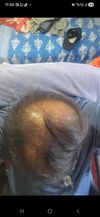
PP405 is a topical gel being tested for hair regrowth in adults with androgenetic alopecia. Volunteers aged 18-55 are needed for a 16-week trial in several US locations.
The user switched from topical to oral finasteride and minoxidil for hair loss and experienced swelling and sensitivity in the left chest area. They are concerned about these symptoms but noticed improvement after skipping a dose.
The individual has experienced a sore, stiff, and itchy scalp with hair loss for 4.5 years, and has noticed increased thinning and miniaturized hairs, especially at the temples. They have tried ketoconazole shampoo without success and are considering finasteride for treatment.
The user reports positive progress in hair regrowth using 1mg oral finasteride, 3mg oral minoxidil, biotin, vitamin D, red light therapy, and microneedling. They note thickening at the hairline and some regrowth at the temples.
The potential risks of long-term use of Dutasteride and how it may be linked to elevated liver enzymes, cholesterol levels, and decreased testosterone. Alternative treatments such as Finasteride and RU58841 were also discussed.
Hair regrowth after telogen effluvium, with the user experiencing hair loss at the temples and regrowth after taking omega-3/fish oil tablets. Suggestions include consulting a dermatologist and considering supplements like Biotin, Zinc, and Vitamin D.
User Arrosis shared their 1-week experience using Pyrilutamide for hair loss, noticing reduced shedding and increased libido but also experiencing headaches, dizziness, and nipple sensitivity. They plan to try a lower frequency to see if it helps with side effects.
A user is considering switching from oral to topical treatments for hair loss due to side effects like watery semen and erectile dysfunction. They are currently using oral finasteride and minoxidil and are concerned about potential sexual side effects with topical use.
Switching from spironolactone to bicalutamide caused severe hair shedding, despite using treatments like dutasteride, minoxidil, and estradiol injections. The user is experiencing androgenetic alopecia and is seeking solutions to stop the hair loss.
A 31-year-old male shared his 3-year progress using finasteride 1 mg daily, with additional treatments including nutrafol, multivitamins, vitamin D, marine collagen, PRP scalp injections, micro-needling, and Nizoral. He experienced temporary libido issues but currently has no side effects.
The user shared progress after two months using a topical formulation containing Dutasteride 0.25%, Minoxidil 5%, Cetirizine 1%, Melatonin 0.5%, Caffeine 2%, and Latanoprost 0.005%. The focus is on hair loss treatment results.
Chime Biologics and Hope Medicine are speeding up the launch of a first-in-class antibody drug, HMI-115, for endometriosis and androgenic alopecia. The treatment involves a series of subcutaneous injections, has shown promising results in phase 1, and continues to promote hair regrowth even after the treatment is stopped.
A 19-year-old male experienced significant hair loss, initially thought to be male pattern baldness (MPB), and used minoxidil and briefly finasteride. After realizing the issue was telogen effluvium (TE), he improved his diet and supplemented with vitamins, which led to substantial hair regrowth.
Some people don't see results with FDA-approved hair loss treatments like finasteride or minoxidil due to underlying issues. The video suggests addressing these issues, especially if there are atypical symptoms or other health conditions.
The use of tropoelastin injections and verteporfin for hair transplant recipients to help regrow donor area hairs, as well as research done on tropoelastin injections restoring elastin in scarred heart tissue and skin. There are discussions about why it is taking so long to get cosmetic mass produced tropoelastin injectables on the market.
A 37-year-old male started a hair loss treatment 7 weeks ago using 1mg finasteride, 1.5mg minoxidil, and microneedling, with noticeable coverage improvement except for the right temple. He is considering a hair transplant in the future if needed.
A user shared progress pictures after 9 months of using 1 mg finasteride, 2.5 mg oral minoxidil, microneedling, and ketoconazole, noting no visible improvement and considering switching fully to dutasteride. Another user commented that there were gains in the temples and praised the early intervention.
The user has been using HIMS topical finasteride and minoxidil spray for hair loss, with positive results but still seeks improvement at the crown and corners. They are considering reintroducing derma rolling and possibly trying oral treatments like dutasteride due to concerns about shedding and irritation.
First patient dosed with Pyrilutamide (Kintor) Phase III for hair loss treatment. Pyrilutamide differs from approved treatments as it competes with DHT to bind hair follicles, potentially reducing side effects.
A user switched from finasteride to dutasteride, experiencing significant shedding initially but noticing improved hair health and thickness over time. They also use minoxidil, both oral and topical, and report no significant side effects from the treatments.
The user has been using finasteride for years with little regrowth and recently started using Cécred edge drops, which have significantly improved their scalp condition. Another user mentioned combining Cécred with derma stamping for better results.
The conversation is about a potential new hair loss treatment called Breezula CB-03-01. Users are discussing updates on its development and sharing personal experiences with making or using it.
Setipiprant trial for hair loss failed, showing no difference between placebo and treatment. Discussion also noted placebo users reporting side effects.
User celebrates 2-year anniversary of 2500 FUE hair transplant procedure and worries about future hair loss. Others compliment the results and suggest using Dut and Min to maintain hair.
A hair transplant experienced by FC Barcelona goalkeeper Ter Stegen, who reportedly saw improved confidence and performance following the procedure. People discussed finasteride as an alternative treatment option for those unable to afford a transplant.
The conversation discusses the use of TRT, dutasteride, minoxidil, and potentially RU58841 for hair loss. Concerns about the risk of developing Cutis verticis gyrata with minoxidil and TRT are raised.
A user's experience with microneedling monotherapy and potential treatments such as finasteride, minoxidil, Stemoxydine, rosemary oil, peppermint oil, and RU58841 for reversing hair loss.
Longitudinal partial follicular unit transplantation involves extracting part of the donor follicular unit, allowing the donor area to be overharvested without noticeable hair loss. The conversation questions if this method is practiced in clinics or if it's theoretical, and whether it relates to hair cloning or multiplication.