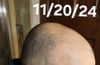
A 29-year-old male experienced significant hair regrowth after 9 months using oral dutasteride and topical minoxidil twice daily. The results show almost full crown regrowth and some hairline improvement.
The user is considering combining finasteride and minoxidil tablets into a topical solution that already includes Garnier Fructis stemoxydine and CB0103. They are seeking advice on whether this combination is effective and safe.
Someone looking for solutions to their hair loss, who has tried and failed to tolerate anti-androgen treatments such as finasteride, CB-03-01, RU58841, and Eucapil. The user is seeking advice and understanding of their extreme sensitivity to these treatments.
A child accidentally took Avodart, leading to concerns about DHT suppression and its effects. Users humorously discuss potential consequences and treatments like DHT injections and topical solutions.
A 21-year-old male has been using dutasteride, minoxidil, ketoconazole shampoo, and microneedling for hair loss, with plans to increase minoxidil dosage. He is experiencing no side effects and is planning a trichoscopy to assess hair regrowth.
Alfatradiol is used by some for hair loss, often alongside treatments like finasteride, RU58841, and minoxidil, but its effectiveness is unclear. Some users report no significant improvement, while others note reduced sebum production but experience side effects like gallbladder pain.
A user shared their hair regrowth progress after using minoxidil 5% twice daily since January 31 and adding oral dutasteride 0.5mg and minoxidil 2mg daily two weeks ago. They also used microneedling occasionally and are seeking opinions on potential further gains.
The user is using a hair regrowth protocol including dutasteride, topical and oral minoxidil, dermarolling, ketoconazole shampoo, and tretinoin, but is experiencing slow progress and seeks advice for faster regrowth. Suggestions include quitting smoking, adjusting the regimen, and considering additional treatments like topical finasteride or RU58841.
The user is happy with hair regrowth after 5 months using topical minoxidil twice daily, oral finasteride once daily, derma stamping weekly, and Watermans shampoo. They noticed darker hair and stopped using creatine, suspecting it worsened hair loss.
PP405 and GT20029 are new hair loss treatments with different mechanisms from traditional options like Minoxidil and Finasteride. PP405 targets hair follicle stem cells to reactivate growth, while GT20029 works as an androgen receptor deleter, both requiring ongoing use for effectiveness.
The user has been taking finasteride for 1.5 years without seeing improvement in hair regrowth. Suggestions include adding minoxidil or switching to dutasteride, with concerns about side effects.
The user shared progress pictures after 8 months of using oral minoxidil, initially finasteride, and then switching to dutasteride 3 times a week. They experienced some shedding but noticed healthier hair and are considering increasing the dutasteride dosage.
A user is treating hair loss with 0.5mg Dutasteride three times a week, 5mg oral Minoxidil daily, and topical finasteride and minoxidil, seeing some improvement but insufficient density. They are considering increasing Dutasteride dosage and addressing high estradiol levels, while also trying to quit vaping.
The conversation discusses preparing a topical dutasteride solution for hair loss, with mentions of using alcohol, propylene glycol, and Avodart. Users also discuss the concentration of dutasteride and compare it to finasteride and minoxidil treatments.
Natural vitamins like pumpkin seed oil, saw palmetto, and ecklonia cava are discussed for their potential to lower DHT levels. They may work similarly to finasteride but are significantly weaker.
The user switched from finasteride to dutasteride for hair loss treatment, also using topical minoxidil, micro needling, keto shampoo, and PRP sessions. They've seen improvements, with reduced hair shedding and new hair growth, especially at the hairline.
The user is considering switching to oral dutasteride and oral minoxidil after being happy with their 4.5-month hair loss treatment progress using oral and topical finasteride, topical minoxidil, tretinoin, and microneedling. They thanked the community for information on medications.
The user is using topical Minoxidil 5% and Finasteride 0.1% for hair loss and is concerned about potential side effects of oral treatments due to a history of depression and testosterone replacement therapy. Other users suggest that oral Finasteride may be more effective, but results typically take several months to a year to become noticeable.
The user has been using a treatment of 0.1% topical finasteride, 5% minoxidil, dermastamping, and vitamin D3 supplements for 85 days and is seeing good progress. Other users note the effectiveness of topical finasteride despite it being less potent.
User switched from finasteride and minoxidil to dutasteride, experienced side effects, then took dutasteride once a week with improved hair density. Another user had success with daily dutasteride, while one had no results from topical dutasteride.
This post and conversation are about the effects of Minoxidil on renal electrolytes transport in the Loop of Henle. The replies show a lack of interest and a brief summary stating that rectal Minoxidil electrolytes are bad.
The user experienced tiny vellus hairs from 0.5mg finasteride and 2.5mg minoxidil over 9 months. Topical minoxidil, alfatradiol, and RU58841 applied twice daily for 1.5 months significantly improved temple hair regrowth.
A user's experience with hair loss treatments, including finasteride, minoxidil, dutasteride, biotin and micro needling; the user is concerned about their hairline after switching to dutasteride and oral minoxidil. Responses suggest that this could be just a shed and offers advice on how to possibly address it.
The conversation discusses the availability of Breezula, a drug for hair loss, now being sold as an acne treatment, and whether it can be applied to the scalp. Users express skepticism about new hair loss treatments and suggest waiting for FDA approval.
SCUBE3 and GT20029 are potential treatments for hair loss, with SCUBE3 stimulating hair growth and GT20029 protecting against DHT. A combined approach using SCUBE3, finasteride or dutasteride, and later GT20029 could provide a comprehensive treatment for androgenetic alopecia.
The conversation discusses creating a 0.01% topical dutasteride solution mixed with minoxidil for hair loss treatment, with concerns about absorption and effectiveness. Some users suggest that dutasteride needs specific formulation for better absorption, while others recommend oral use for practicality.
The conversation discusses the potential use of verteporfin for hair loss treatment, with one user mentioning their surgeon's interest in trying it and another noting its research status and clinical use as a YAP inhibitor. Some users debate the market size, availability of generics, and the optimism in the hair loss community regarding new treatments.
The post discusses a user's hair loss treatment involving Dutasteride 2.5 mg 5 times per week, Finasteride 1mg 4 times per week, RU58841 daily, and Minoxidil twice daily. A reply suggests that the combination is excessive, particularly the use of both Dutasteride and Finasteride, and labels it as a "chemical castration protocol".
The user experienced increased hair thinning after switching from finasteride and minoxidil to dutasteride, despite some users suggesting it might be a temporary shedding phase. The user is considering using RU58841 but is unsure about its safety.