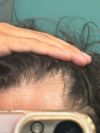
The conversation is about using alfatradiol as a hair loss treatment. The user is considering adding it to their regimen because it is safe, mild, and easily available in Europe.
The user initially used dutasteride, minoxidil, and vitamins, then switched to finasteride but experienced side effects and hair loss. They found better results with a natural supplement containing stinging nettle and beta-sitosterol, reporting thicker hair without side effects.
The user shared five months of progress using oral finasteride, topical minoxidil, and supplements like biotin, zinc, omega-3, and collagen. They noted encouraging results, while others suggested trying oral minoxidil or microneedling for potentially better outcomes.
The conversation is about individuals considering waiting for Breezula to treat hair loss instead of using Finasteride due to concerns about side effects. Some are opting for Finasteride now, while others are wary of its impact on neurosteroids.
The conversation discusses using both oral and topical forms of finasteride and minoxidil for hair loss. Concerns about potential overkill and side effects are raised, but no side effects are reported from using oral finasteride and topical minoxidil.
The user is experiencing scalp irritation from a compounded treatment of finasteride, minoxidil, and tretinoin. They are considering switching to a non-alcohol, propylene glycol-free formula with a lower tretinoin percentage to reduce irritation.
The conversation discusses a hair loss treatment regimen involving high doses of dutasteride, finasteride, and minoxidil, with concerns about safety and potential side effects. Users advise against the excessive use of these medications, suggesting more moderate approaches and consulting a doctor.
Minoxidil 0.5% MMP® showed better results in parietal-vertex regions for less advanced female pattern hair loss compared to Minoxidil 5%. MMP® with Minoxidil can improve the quality of life for these patients.
The post discusses a user's hair loss treatment involving Dutasteride 2.5 mg 5 times per week, Finasteride 1mg 4 times per week, RU58841 daily, and Minoxidil twice daily. A reply suggests that the combination is excessive, particularly the use of both Dutasteride and Finasteride, and labels it as a "chemical castration protocol".
Hair loss treatments, specifically finasteride and minoxidil, being used by wealthy individuals to combat their genetic predisposition to baldness. It also discussed other potential treatments such as RU58841 and dutasteride.
A 27-year-old male experiencing hair loss at Norwood 3 level has tried minoxidil and finasteride but stopped finasteride due to side effects. He is exploring alternatives like Dermapen, Regenepure DR Shampoo, saw palmetto, and considering aromatase inhibitors for managing side effects, while also seeking advice on DHT blockers.
The conversation is about the comparison between finasteride and dutasteride for hair loss treatment. The conclusion is that there is more fear around finasteride due to its higher prevalence and being the first line of defense, while dutasteride is less commonly prescribed and used by those who have already tried finasteride without side effects.
The conversation is about using Vitamin B5, B6, and Biotin for hair health, with a focus on whether to take these supplements separately when using topical finasteride products. One user dismisses the effectiveness of multivitamins.
A long-term finasteride user is considering switching to dutasteride due to hair loss progression. Users share experiences with switching, noting side effects and varying effectiveness, with some experiencing shedding and others maintaining their hairline.
Combining finasteride and dutasteride may enhance hair regrowth by targeting different enzymes, with positive results reported. Minoxidil, both oral and topical, is also used to improve effectiveness.
PP405 is a promising hair growth stimulant but not a cure for advanced hair loss, as it may only help dormant follicles. Treatments like Minoxidil, Finasteride, and Dutasteride are discussed, with emphasis on early intervention for effectiveness.
PP405 is moving to late-stage trials, showing potential for hair regrowth, with 31% of male patients experiencing a 20% increase in hair density. Veradermics is developing an oral minoxidil version, and there is interest in combining treatments for better results.
A user is experiencing uneven hair thinning and has tried topical minoxidil without success and finasteride with adverse effects. They are considering microneedling and PRP treatments while avoiding finasteride, and another user suggests trying dutasteride as an alternative.
The user experienced hair regrowth using finasteride, oral and topical minoxidil, and RU58841, despite initial shedding. They also transitioned from finasteride to dutasteride and addressed scalp issues with a folliculitis shampoo.
A user experienced severe chest pains and shortness of breath after using RU58841 for hair loss and was advised by a doctor that blocking androgens can weaken the heart. They decided to continue with finasteride, minoxidil, and a hair transplant instead.
The conversation discusses hair loss treatments, specifically the use of RU58841 by individuals who did not respond to dutasteride. Users share experiences with maintaining hair using RU58841 and mention trying pyrilutamide and the upcoming availability of pp405.
The conversation suggests waiting a few years before considering a hair transplant, as the current treatments (finasteride, oral minoxidil, PRP, and microneedling) may still yield results. Many recommend continuing with the current regimen and possibly adding dutasteride if necessary, while others advise against rushing into a transplant at 18.
The user experiences severe side effects from finasteride and dutasteride, including low libido and anxiety, and is currently using oral minoxidil despite shortness of breath. They are seeking alternative treatments for hair loss, having tried pyrilutamide, fluridil, and RU58841 with no success, and are considering future treatments or a hair transplant.
The conversation discusses the effectiveness of switching from finasteride to dutasteride for hair loss treatment, with some users suggesting adding oral minoxidil for further improvement. The original poster is considering a hair transplant and is concerned about perceived thinning, despite others noting improvement or stability with dutasteride.
Adding RU58841 to a regimen of 2.5 mg dutasteride and 5 mg oral minoxidil for potential hair regrowth. Some users suggest a biopsy to determine the cause of hair loss, while others discuss the effectiveness and side effects of various treatments.
The conversation discusses hair loss treatment progress using finasteride for 5 months and a topical solution with 0.1% minoxidil and 7% RU58841 for 11 months, with plans to switch to a stronger topical solution with 0.25% minoxidil, 7% RU58841, and tretinoin. Opinions on improvement are mixed.
The user has been using 0.5mg finasteride daily for two years without side effects but is considering switching to dutasteride or increasing finasteride to 1mg for better results. They are unsure whether to proceed with dutasteride or increase the finasteride dosage.
The conversation discusses RU58841, a compound for hair loss treatment, which was found to be effective in a 6-month trial but was not pursued due to financial issues or marketability concerns, not safety. Some users are considering crowdfunding to release the research data, while others discuss personal experiences and safety concerns with RU58841.