Search
for
Sort by
Community Join
720-750 / 1000+ resultscommunity Can I put pp405 into a dermastamp
The conversation is about using a dermastamp for hair loss treatment and concerns about a potentially scam product, pp405. It suggests sticking with known treatments like finasteride and minoxidil.
community Hair transplant at 23-24
A 23-year-old plans a hair transplant and uses finasteride, Essengen 6 Plus, ketoconazole shampoo, dermarolling, vitamins, and Foligain capsules. He seeks advice on his regimen and the timing of the procedure, considering family history and potential future hair loss.
community Day 11- I have removed all Scabs
Eleven days after a hair transplant, the user has removed all scabs and plans to resume Oral Dutasteride and Oral Minoxidil. They will also start using a serum provided by the clinic and are sharing progress and clinic information privately to avoid negative comments.
community Stemoxydine used for shortening the ugly duckling phase after HT?
The conversation is about whether stemoxydine can shorten the dormant phase after a hair transplant, known as the ugly duckling phase. There is skepticism about whether it actually works as claimed.
community 10 months on Fin, slow pace results, Hair transplant or wait ?
community My 4 year journey battling hairloss. Help on Korean FUE transplant
Finasteride and Minoxidil effectively regrow hair but cause sexual side effects. The user is considering a Korean FUE hair transplant and is researching clinics and costs.
community 22M Dut+min+microneedling. Diffuse AGA.
A 22-year-old male uses dutasteride, a serum with 10% minoxidil and 0.5% finasteride, and microneedling for diffuse androgenetic alopecia. Progress pictures show changes from July 2025 to February 2026.
community My journey from Norwood 3.5/4 to Norwood 0
A user's hair regrowth journey involved a hair transplant and using RU58841, finasteride, and minoxidil, with side effects managed by other medications.
community Question for Russians in this subreddit
The user plans to switch to oral finasteride and oral minoxidil due to insufficient results from PRP, topical minoxidil, and mild DHT inhibitors. They seek advice on purchasing these medications from My.India, questioning its trustworthiness.
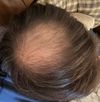
community Dutasteride and Minoxidil User Considering Microneedling vs HT for Crown
The user is considering microneedling versus a hair transplant (HT) for crown hair loss while currently using dutasteride and oral minoxidil. They are hesitant about microneedling due to potential scarring but are open to trying it before deciding on a hair transplant.
community Is it too early to start thinking about hair transplant?
The conversation suggests waiting a few years before considering a hair transplant, as the current treatments (finasteride, oral minoxidil, PRP, and microneedling) may still yield results. Many recommend continuing with the current regimen and possibly adding dutasteride if necessary, while others advise against rushing into a transplant at 18.
community 40 days on topical fin+min + kx-826
A user shared progress pictures after 40 days of using topical finasteride, minoxidil, and KX-826 following a hair transplant. They previously used Polaris NR-11, which contains finasteride and minoxidil, and experienced significant hair regrowth.
community How long before I can Micro Needle my hair transplant?
The user had a hair transplant and is asking when they can resume microneedling their forehead, which they did previously once a week with positive results on their crown. They are currently on a treatment regimen that includes oral finasteride, oral and topical minoxidil, ketoconazole shampoo, and black castor oil for moisturizing.
community 2 years after my HT. I couldn’t live with my hair anymore. It took so much effort every morning to style it properly, but just one gust of wind or a bit of rain was enough to ruin it for the rest of the day. I also really disliked how it looked in photos. I'm 32, so I still felt too young for this.
A 32-year-old had a hair transplant in Istanbul for 2500€, using 2800-3000 grafts, and is not using finasteride or other medications long-term. The user is satisfied with the results but acknowledges the possibility of needing another transplant in the future.
community 6 month check … is this regrowth ?
The user has experienced hair regrowth using finasteride, minoxidil, dermarolling, and nizoral shampoo, but is considering a hair transplant due to advanced hair loss. Others suggest checking the donor area and considering a reputable surgeon for a potential transplant.
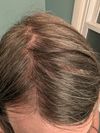
community Considering Hair Transplant at 40 After Finasteride and Minoxidil
A 40-year-old considering a hair transplant after using finasteride and oral minoxidil for hair maintenance. They have maintained hair well with these treatments and seek opinions on whether a transplant would improve their appearance.
community Any new Verteporfin updates?? Does anyone have any new information on the trials?
community People like this don't have to be bald.
Body hair transplants can be a last resort for hair loss, using body hair to fill scalp gaps, though it may not match scalp hair in texture or length. Minoxidil and finasteride are discussed as treatments, with varying effectiveness and side effects.
community The case for 5ARI-free hair transplants: Dr. Zarev, Pittella, Sethi, Miln, and future treatments in development
Some individuals experience side effects from 5AR inhibitors like finasteride and are considering hair transplants without these medications, with some opting for surgeons like Dr. Zarev. Others are exploring alternative treatments and waiting for new medications in development, while some discuss managing side effects through lifestyle changes or additional medications.
community Eucapil (fluridil) ampule question
User asks if breaking open Eucapil (fluridil) ampule and using half is okay, and if leaving open vile overnight ruins it.
community Never used Fin; What if I do a HT and take Fin and then "wake up" the natural follicles?
A 31-year-old man with a long history of hair care is considering a hair transplant and is worried about using Finasteride and Minoxidil due to potential side effects. He seeks advice on whether to start Finasteride before or after a transplant and how to test for sensitivity to these treatments.
community This subreddit is 250K members strong, and only 95 likes for this game-changing Verteporfin research? It's pitiful. We need to be encouraging and supportive to any hair transplant surgeon willing to do research on Verteporfin! Go like the video, leave an encouraging comment, and spread this video
The conversation discusses the need for more support and awareness for Verteporfin research in hair loss treatment, emphasizing its potential benefits and quick implementation due to existing FDA approval. Users express skepticism due to past scams but acknowledge the importance of encouraging doctors to conduct trials.
community How to mix Viagra for topical application?
The conversation is about experimenting with topical Viagra or Cialis for hair loss, including methods for dissolving the tablets. The user is also using herbal oil massages and considering using Ethanol/Propylene Glycol for better dissolution.
community We are so back!!! - 4 Months Post Hair Transplant 27M
A 27-year-old shared progress pictures 4 months after a hair transplant, expressing satisfaction with the results and improved self-esteem. They have been using finasteride for nearly a year and minoxidil for 3 months, with significant reduction in hair loss.
community Needle mesotherapy in the treatment of androgenic alopecia
community Minoxidil temple and hairline results, true progress or placebo? as well as a few other questions
community Can you get hair transplants for frontal temple density ? Or would i be more likely to get shock loss
The user is considering a hair transplant for frontal temple density but is concerned about shock loss. They have been using finasteride for about two years and are advised to consider minoxidil and microneedling for better results.
community Hair Transplant 5 years of finasteride then recently switched to Dut and added oral min
A user discussed their hair transplant journey, using finasteride for five years, then switching to dutasteride and adding oral minoxidil. Another user congratulated them on their progress.