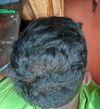
A user's 3-month progress with a combination of finasteride, minoxidil and dermarolling for hair loss; other users shared their experiences and advice.
Filtered shower heads may improve scalp and hair health but do not affect male pattern baldness (MPB). Genetics and factors like DHT and scalp tension are more significant in hair loss.
The user shared their successful hair regrowth journey using finasteride, dutasteride, minoxidil, microneedling, and tretinoin. They experienced significant improvement, especially in the crown and temple areas.
A 20-year-old male experiencing significant hair loss started using finasteride and minoxidil, considering switching to dutasteride, and seeking encouragement from others who have seen improvements. Other users shared their experiences with similar treatments, noting improvements in hair coverage and stability, with some considering hair transplants as a future option.
A 26-year-old man with diffuse alopecia is using electric scalp massage, dermastamp, and multivitamins for treatment but is intolerant to finasteride. A dermatologist recommended PRP and mesotherapy with exosomes and dutasteride.
Users discussed hair loss treatments, specifically 0.1% latanoprost with melatonin, caffeine, and biotin. Other treatments mentioned include minoxidil, finasteride, RU58841, and microneedling.
A 20-year-old male experienced significant hair regrowth after 6 months using oral dutasteride, topical minoxidil, and tretinoin. He noted side effects like occasional watery semen, lower libido, better erections, and no more acne.
Some prefer hair systems for better appearance and confidence, while others find them costly and inauthentic. Alternatives like minoxidil, finasteride, and hair transplants are also considered.
A 24-year-old shares progress on hair regrowth after 3 months using 2.5mg oral minoxidil, 0.5mg dutasteride, and scalp injections of dutasteride, minoxidil, and vitamins every two weeks. They are uncertain if the improvement is due to actual regrowth or just longer hair.
The user is considering using topical finasteride for thinning hair around the middle part, vertex, and crown, and is unsure if the whole scalp is thinning. Another user suggests oral finasteride is more effective than topical, and recommends consulting a dermatologist for proper treatment.
A 20-year-old male experienced significant hair regrowth and reduced shedding after four months of using 2.5mg oral minoxidil, 1mg oral finasteride, and weekly 1.5mm derma stamping. He reported no side effects from the treatments and noted increased hair growth in other areas of his body.
A user shared their hair transplant update, having received 4,300 grafts and choosing not to use medications like finasteride or minoxidil due to potential side effects and personal reasons. Many commenters expressed concern that without these medications, the user might experience further hair loss, suggesting that preventative treatments are important for maintaining transplant results.
A 19-year-old male shared his 3-month hair regrowth progress using finasteride, minoxidil, and microneedling, with noticeable improvement. He uses 1mg oral finasteride daily, 5% minoxidil foam twice a day after day 80, and microneedles with a 1.5mm derma stamp every 1-2 weeks.
A 30-year-old shared their successful hair restoration journey using liposomal topical finasteride and minoxidil, vitamins, and a second hair transplant in Greece, which significantly improved their hair density without side effects. The transplant cost $7500 and involved filling an old scar, with the user expressing gratitude for the life-changing results.
Users discussed using treatments like minoxidil, finasteride, dutasteride, and exosomes for hair loss. They reported thicker hair and reduced shedding, with some experiencing minor side effects.
A 25-year-old male has been using finasteride and 2.5mg oral minoxidil for 8-10 months and is seeking advice on improving hair growth at the crown. He is considering whether to continue with finasteride or switch to dutasteride.
An 18-year-old experiencing diffuse hair thinning since 8th grade seeks advice. They are concerned about having less hair than their 52-year-old father and are looking for treatment options.
A user's experience using dutasteride, minoxidil, ketoconazole, vitamin D, scalp massage, exercise, and avoiding vaping and 2-in-1 shampoo/conditioner to treat hair loss; they also discussed the side effects of finasteride.
Stem cell and exosome injections for hair loss are discussed, with skepticism about their effectiveness and concerns about using non-genetically related stem cells. Dr. Deyarmin's treatments are mentioned, with some users questioning their legitimacy and others expressing curiosity.
The user is using topical finasteride, Bioscalin, Omega 3, and hair filler therapy for hair loss. There is some progress noted, but varying photo angles and lighting make it hard to assess fully.
Iron or vitamin deficiencies can lead to decreased hair diameter, not just androgenetic alopecia. Treatments discussed include Minoxidil, finasteride, and RU58841.
The conversation discusses hair loss treatments, including the use of Dutasteride, Minoxidil (both topical and oral), and dermastamping at a 2.5mm depth. Users share progress, experiences, and opinions on these treatments.
A 24-year-old male experienced hair loss and side effects from oral finasteride and minoxidil, but saw progress with a topical solution of minoxidil and finasteride, alongside dermastamping and vitamin supplements. He uses 2% Nizoral and keratin shampoo for hair care.
The user has been using minoxidil 5% and finasteride 0.1% topically, along with oral minoxidil and finasteride, for three months without major improvement in hair loss. They are also taking vitamin D3, B12, iron, and zinc supplements.
Recruitment for a verteporfin trial and a separate hair cloning trial using verteporfin and other methods is underway, with locations in Jordan, NYC, Beverly Hills, and Memphis. Dr. Bloxham is conducting the hair cloning trial, and interested participants are encouraged to contact him directly.
Adding exosomes to a treatment of dutasteride and minoxidil for hair loss increased hair count by 55% at 6 months and 46% at 1 year compared to the control group. The control group did not receive exosomes or PRP.
The conversation discusses personal experiences with hair loss and highlights the potential impact of anemia and nutrient deficiencies on hair health. Treatments mentioned include changing shampoo/conditioner, taking MSM, collagen, hyaluronic acid, astaxanthin, B12, folate, and bovine blood capsules.
The conversation provides advice on using derma rollers, stamps, and pens for hair loss, detailing types, usage, cleaning, depth, frequency, and caution with topicals like minoxidil. The user plans to replace a roller with a pen for better accuracy and safety, and uses a castor oil/rosemary oil mix post-needling.
A 28-year-old male has been using oral finasteride and minoxidil for over a year without seeing significant results in hair thickness, particularly in the front. He is considering adding dermastamping to his routine and is exploring whether topical treatments might be more effective.