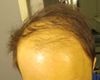
Hair loss treatments include finasteride and spironolactone. Low vitamin D levels may contribute to hair loss, and normalizing levels could potentially help regrowth.
The conversation discusses a user's three-month progress using topical finasteride once a day, 6% minoxidil at night, and weekly dermastamping at 1.25mm for hair loss. Commenters note the impressive results and discuss application methods and safety precautions for family members.
A user is considering a long-term hair loss treatment stack including Dutasteride, Finasteride, and oral Minoxidil, and is concerned about potential liver damage. Some responses suggest the stack is excessive, while others believe it's not harmful to the liver, but recommend regular blood work to monitor health.
The user is using dutasteride, oral minoxidil, and a topical compound with minoxidil, latanoprost, finasteride, and biotin. They are considering stopping the topical minoxidil due to lack of noticeable results on the head but are concerned about potential hair loss or shedding.
Hair transplant recipients are concerned about whether dormant follicles are permanently damaged by incisions, but some believe undamaged follicles could still regrow if a treatment like PP405 is effective. Opinions vary on the impact of transplants on original follicles, with some suggesting treatments like finasteride can help regrow hair.
Hair/scalp cloning for unlimited transplants is likely a decade away, with prior transplants not significantly affecting future options. Advances in AI and research in wound-induced hair neogenesis are promising, but infrastructure and technology constraints remain challenges.
An 18-year-old male is considering stopping minoxidil on the crown while continuing finasteride due to increased shedding and concerns about thinning. He seeks advice on safely switching to using minoxidil only on the hairline without risking permanent crown thinning.
A 28-year-old male has been using 5% minoxidil, derma stamping weekly, and daily scalp massages to address hair loss. He is hesitant to use DHT inhibitors like finasteride or dutasteride despite suggestions from others.
Dr. Toyos is recruiting more participants for a larger trial on hair loss treatments. The discussion mentions Minoxidil, finasteride, and RU58841 as potential treatments.
A 31-year-old male with androgenetic alopecia and seborrheic dermatitis is considering starting finasteride and minoxidil for hair loss, while also using ketoconazole and salicylic acid shampoos for scalp treatment. He is concerned about the timing of starting finasteride and potential side effects, and seeks advice on whether to prioritize scalp health or begin hair loss treatments simultaneously.
A 23-year-old male is experiencing diffuse hair loss and miniaturization, possibly due to high IGE levels after using tofacitinib. He seeks advice and has not yet consulted a dermatologist.
Switching from oral minoxidil back to topical due to heart issues and palpitations. Users discuss experiences with minoxidil and finasteride, with mixed results and concerns about side effects.
CRISPR treatments for blood disorders have been approved, leading to discussions about its potential for treating hair loss (AGA). A study showed that editing a gene related to DHT sensitivity could lead to hair regrowth, suggesting CRISPR may eventually be used for AGA, but it's expected to be expensive and not soon available.
KPV, a peptide patented by L'Oreal, may promote hair growth and reduce hair loss by extending the anagen phase and has anti-inflammatory properties. It could be combined with treatments like minoxidil for enhanced effects.
The conversation discusses whether drinking coffee affects the hair growth benefits of Minoxidil, with one user mentioning that Minoxidil's vasodilation is stronger than caffeine's vasoconstriction, and another sharing personal experience of better hair growth after quitting caffeine while on Minoxidil.
A user experienced a "watery belly" and cellulite after starting finasteride, despite maintaining a disciplined fitness routine. Others suggest checking hormone levels, as changes in DHT and estrogen could affect fat metabolism, but age might also be a factor.
The user is considering starting minoxidil and finasteride for hair loss at Norwood 2 or 2.5. Another user suggests consulting a dermatologist and possibly using finasteride to prevent progression and minoxidil for regrowth, with dutasteride as an alternative.
The conversation discusses a patent for using topical resveratrol and melatonin to treat androgenetic alopecia (AGA) and also mentions interest in topical sulforaphane as a treatment.
A 21-year-old male is experiencing crown balding and is using RU58841, topical minoxidil, and plans to add dutasteride and oral minoxidil to his treatment. He seeks advice on increasing his treatment stack despite previous side effects like chest pain.
A 33-year-old male is starting treatment with oral dutasteride and topical minoxidil for hair regrowth. He is concerned about his receding hairline and hopes for some improvement despite years of balding.
Switching from topical finasteride and minoxidil to oral dutasteride and oral minoxidil resulted in thinner hair and loss of vellus hair, with no new growth observed. The user is concerned about the lack of improvement despite using a stronger treatment.
A user shared their positive experience with hair regrowth using finasteride, genuine minoxidil, and dermastamping, noting significant improvement after switching from a fake minoxidil product. They advised others to verify the authenticity of minoxidil through a bleach test to avoid counterfeit products.
The conversation discusses feelings of despair and low self-worth due to hair loss and other perceived physical shortcomings. The user expresses a lack of motivation and struggles with societal expectations, despite trying various self-improvement methods.
A 24-year-old is struggling with hair loss despite using treatments like dutasteride, oral minoxidil, RU58841, and considering a hair transplant. They are advised to continue medication, possibly increase dosages, and explore additional treatments like tretinoin and tacrolimus.
A user is considering exosome therapy from Springs Rejuvenation for hair loss after unsuccessful attempts with PRP, adipose injections, and a laser cap. They are intrigued by the therapy's potential and the clinic's guarantee of 30% improved coverage, despite concerns about FDA approval and high-pressure sales tactics.
A 30-year-old female shares her positive progress with hair regrowth using topical minoxidil and vitamins, after experiencing hair loss since her early 20s. She mentions using a product with a natural DHT blocker and emphasizes the importance of checking vitamin and iron levels.
Sunburns on the scalp can cause permanent hair loss, especially for those using Tretinoin or Tacrolimus. Wearing UPF 50+ hats is recommended to protect against UV radiation.
The conversation discusses hair loss concerns, specifically traction alopecia and hair loss from acne. It mentions that sleeping on one side is unlikely to cause traction alopecia.
Topical finasteride is considered safer for the liver than oral finasteride due to less systemic absorption, but regular liver function tests are advised. The user is concerned about liver health due to a history of NAFLD and is exploring topical finasteride as a safer alternative.