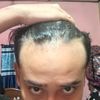
Hair growth progress using Propecia, Minoxidil, dermarolling, ketoconazole shampoo, and vitamins. Noticeable hair growth in temples after 3 months and 10 days.
A 24-year-old shared their successful hair restoration journey, which included a hair transplant in Turkey, dutasteride, and topical minoxidil. They also started testosterone replacement therapy, which improved their quality of life and hair condition, and they now feel confident and satisfied with the results.
A 22-year-old is using dutasteride 0.5mg daily, oral minoxidil 2.5mg, biotin 5mg, and microneedling for hair loss. They also use a shampoo with saw palmetto and green coffee but are unsure of its effectiveness due to its high cost.
Various hair growth treatments were discussed, including microneedling, bimatoprost, setipiprant, stemoxydine, PGE2, CB-03-01, WNT Beta-Catenin upregulators, KY19382, topical estrogen, IGF-1, GH, MK-677, oral castor oil, fisetin, resveratrol, cetrizine, and lactic acid. Users shared experiences and sources for these treatments, with some expressing interest in topical solutions and others noting the lack of FDA approval or scientific evidence for certain options.
A 16-year-old has been using minoxidil since February and added tretinoin two months ago to speed up hair regrowth. A suggestion was made to add micro-needling weekly to enhance minoxidil's effectiveness.
The regimen for hair loss includes topical finasteride, clascoterone, tretinoin, minoxidil, oral saw palmetto, beta-sitosterol, vitamin D, microneedling, and anti-fungal shampoo. Expected benefits are increased hair growth and density, with considerations for potential skin irritation and interactions between treatments.
The conclusion of this conversation is that the user experienced hair regrowth and increased overall hair thickness after using dutasteride and derma pen treatments for 5 years. They did not experience any side effects.
The user reports significant hair regrowth after 10 months using 1 mg oral finasteride daily and a 1.25 mm derma stamp bi-weekly with rosemary and jojoba oil. Other users commend the progress and inquire about the routine and side effects.
Baldness is difficult to cure because current treatments like finasteride, dutasteride, and minoxidil only prevent hair shedding, and new developments are mostly ineffective. Botox shows potential in aiding skin regeneration and hair growth, but maintenance therapy with treatments like dutasteride and minoxidil may still be necessary.
The user is using finasteride 1.25mg three times a week for hair regrowth and reports no significant side effects except watery semen initially. They also use a local caffeine shampoo and are considering haircuts to improve appearance.
OrganTech is working on regenerating hair and teeth, with positive results in mice, but skepticism remains about progress for humans. Users express frustration over the lack of advancements in human hair loss treatments, despite ongoing research and trials.
Oleic acid and microneedling are being explored for hair regrowth, but results are mixed. Addressing DHT and fibrosis is crucial, with treatments like finasteride, minoxidil, and scalp massage also discussed.
Finasteride and minoxidil are effectively regrowing hair, with some side effects like decreased libido. Dermarolling is also mentioned as beneficial when combined with minoxidil.
A 23-year-old man shared his 4-month hair regrowth progress using 1mg oral finasteride daily, 5% minoxidil with finasteride topical twice a day, multivitamins, microneedling, head massages, and ketoconazole shampoo. He's unsure of his current Norwood scale classification and is asking for help to determine it, with suggestions ranging from NW4 to NW4.5.
A user shared their 5-month hair loss treatment progress using oral finasteride, Regaine foam, 2DDR serum, and microneedling, noting improvements in hair growth at the crown and front. They are considering increasing microneedling frequency or adding a shampoo to their routine.
The user is experiencing hair loss at Norwood 2.5 and is using minoxidil, finasteride, and vitamins, noticing minimal regrowth after 8 months. They are considering using a dermaroller but are unsure of its effectiveness.
A user shared their hair regrowth progress using oral Dutasteride, Biotin, and Minoxidil over nine months, reporting significant improvement without surgery. They emphasized the effectiveness of these medications and noted no side effects.
The user experienced hair regrowth using finasteride and topical minoxidil, with consistent application and lifestyle changes like using cold water and exercising. They noted initial shedding when restarting minoxidil but saw positive results over six months.
The conversation is about using topical valproic acid (VPA) for hair loss, focusing on its application method, usage frequency, and combination with other treatments like micro-needling. No specific experiences with VPA were shared.
The user experienced significant hair regrowth after 13 months using oral minoxidil, finasteride, and biotin. The conversation highlights the effectiveness of the treatment and discusses the potential benefits of switching to dutasteride.
An 18-year-old shares their successful hair regrowth journey using finasteride 1mg daily, topical minoxidil twice a day (mixed with tretinoin 0.025% at night), ketoconazole shampoo 2-3 times a week, and occasional dermarolling. They report no side effects and emphasize the importance of consistency and early intervention.
Bryan Johnson uses topical dutasteride, minoxidil, and microneedling for hair loss. Users discuss treatment effectiveness and side effects, debating topical versus oral dutasteride efficacy.
The user experienced significant hair regrowth using oral and topical minoxidil, dutasteride, and microneedling, with natural hair returning despite previous baldness and transplants. The treatment appears effective, as hair has darkened and increased in length.
A 30-year-old male successfully improved hair density over 7 years using finasteride, minoxidil, microneedling, and recently added dutasteride. He experienced no side effects and noticed significant regrowth, especially after adding minoxidil and microneedling.
The conclusion of the conversation is that the user, djamezz, has experienced significant regrowth and improved density in their hairline by using treatments such as RU (RU58841), dut (dutasteride), and Inkey's Caffeine Scalp treatment. They are satisfied with their progress and do not plan to cut off their hair.
Hair follicles are mostly dormant but can be reactivated with treatments like minoxidil, finasteride, and microneedling. A new drug, PP405, shows promise for hair regrowth but may not be available until 2027-2028.
The potential of verteporfin to heal wounds without scarring; however, despite its promising preclinical trials and coverage from a major media outlet, there is still no official clinical trial result and the drug has only garnered attention from hair loss communities.
The user is using a hair regrowth protocol including dutasteride, topical and oral minoxidil, dermarolling, ketoconazole shampoo, and tretinoin, but is experiencing slow progress and seeks advice for faster regrowth. Suggestions include quitting smoking, adjusting the regimen, and considering additional treatments like topical finasteride or RU58841.
A 35-year-old man with 10 years of hair loss at NRW7 started using topical Minoxidil and noticed some hair regrowth. He plans to continue with Minoxidil, add microneedling, and possibly try topical treatments like finasteride or dutasteride.
A 25-year-old male shared his 14-month hair regrowth progress using minoxidil, finasteride, and initially dermarolling, along with supplements like fish oil, vitamin D, biotin, and zinc. He attributes his hair loss improvement mainly to the medications and noted minor side effects like lower libido and dark circles under the eyes.