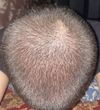
Hair loss discussion includes finasteride issues resolved by switching to dutasteride. Specific treatments mentioned: Minoxidil, Finasteride, and RU58841.
A user discusses starting finasteride for hair loss despite concerns about potential sexual side effects, emphasizing the psychological factors involved. Other users share mixed experiences, with some reporting no side effects and others experiencing issues.
A user is frustrated that their dermatologist requires blood and sperm tests before prescribing oral finasteride, despite already taking oral minoxidil. They prefer oral medication over topical treatments due to sensory issues and are considering asking their GP for a finasteride prescription or seeking alternatives online.
The conversation discusses hair loss treatments, specifically the use of dutasteride, finasteride, and other methods like PRP, laser, and mesotherapy. Despite these treatments, the user is experiencing hair loss, and others suggest consulting a dermatologist, considering alternative treatments, and addressing potential scalp inflammation.
Finasteride, minoxidil, and derma rolling are currently the best treatments for hair loss. New treatments like TDM-105795, GT20029, PP405, HMI 115, Tsuji, Scube 3, RU, JW0061, Topilutamide, and verteporfin show promise but have uncertain timelines.
A user suggests that deeper microneedling with Verteporfin injections might help regrow hair in areas with scar tissue, alongside a DHT blocker. Another user explains that hair loss might be due to reduced Wnt/β-Catenin signaling and suggests that treatments like Minoxidil, Finasteride, and microneedling could potentially reverse it.
The individual is using oral minoxidil and finasteride to treat androgenetic alopecia with good results but is considering stopping due to concerns about long-term effects on the heart and potential hair dependency on the medication. They are also contemplating the impact of hair loss on gender dysphoria and considering the use of wigs as an alternative.
Liposomal formulations of finasteride and minoxidil may enhance drug delivery to the skin and hair follicles more effectively than traditional solutions, potentially improving treatment outcomes. However, more human clinical trials are needed to confirm these benefits.
The conversation discusses personal experiences with hair loss and highlights the potential impact of anemia and nutrient deficiencies on hair health. Treatments mentioned include changing shampoo/conditioner, taking MSM, collagen, hyaluronic acid, astaxanthin, B12, folate, and bovine blood capsules.
A user is trying fluridil/topilutamide for hair loss and experiencing side effects like pain in the testicles and genital discomfort. They previously had adverse effects with finasteride, dutasteride, and RU58841, and are considering other treatments like topical dutasteride and spironolactone for maintenance before a hair transplant.
An 18-year-old noticed hair thinning at 17, started finasteride 5 months ago, and saw shedding stop but no regrowth. They suspect male pattern baldness due to family history and are concerned about thinning on the back and sides, possibly due to inflammation.
The conversation discusses the potential of Verteporfin for hair regeneration and improving hair transplant surgery to leave no scars. Specific treatments mentioned include Minoxidil, Finasteride, and RU58841.
A user's progress with hair regrowth after 3 months of using 1 mg finasteride and 5 mg minoxidil orally, despite some skepticism from other users. The user reports having low blood pressure and feeling fatigued as side effects, but others suggest switching to topical minoxidil for better results with less risk.
User hoodoomoovoo discusses their interest in stem cell research and its potential for hair loss treatment. They share links to studies and mention ongoing trials, expressing optimism for a future solution to hair loss.
GT20029 is a topical treatment that degrades androgen receptors to prevent hair thinning and loss, potentially offering fewer side effects than systemic treatments like finasteride. Concerns include its impact on hair texture and potential systemic effects, with market availability speculated in 3 to 5 years.
Adderall and Vyvanse may contribute to hair loss by stressing the dopamine system and increasing cortisol levels. Users discuss potential treatments like Minoxidil, finasteride, and RU58841 for managing hair loss.
A user shared their 2-month progress using 1mg finasteride daily, 5% minoxidil with 0.1% finasteride topically twice a day, and Vitamin D3 weekly. They experienced initial side effects like weaker erections and mood swings, which resolved after one month.
The conversation discusses starting hair loss treatments and concerns about side effects. Treatments mentioned include Minoxidil, finasteride, and RU58841.
The conversation is about alternatives to finasteride for hair loss, with suggestions including fluridil, oral minoxidil, alfatradiol, and cb-03-01. Concerns about finasteride's side effects, including potential breast cancer risk, are also discussed.
A user is planning to get extensive blood tests before starting Finasteride and is seeking advice on which tests are necessary. They are concerned about the cost and potential redundancy of some tests.
The user experienced side effects like heart palpitations, chest tightness, and fatigue from using 5% minoxidil foam once daily. They are considering switching to a 2% concentration due to lingering symptoms like lightheadedness and brain fog.
Elevated PGD2 levels in bald scalp tissue may contribute to hair loss, and treatments like castor oil, finasteride, and minoxidil are discussed as potential solutions. Some users explore alternatives like oral castor oil and cetirizine for those who cannot use finasteride.
A 15-year-old experiencing severe diffuse thinning plans to use minoxidil, dermarolling, and possibly ketoconazole, with hopes to later incorporate finasteride. Concerns about starting finasteride too young and the need for a dermatologist consultation are discussed.
Minoxidil can cause facial bloat, which some users manage by adjusting sodium intake or using it only on the scalp. Alternatives like finasteride or dutasteride are suggested for those concerned about facial changes.
A 30-year-old male has been on finasteride/dutasteride for 3 years, with stable but still receding hairline, and blood tests showing high total testosterone but normal DHT and free testosterone levels. Despite challenges in gaining muscle, he maintains a good physique with a consistent lifting routine and recently improved results with creatine.
Minoxidil is discussed as a hair loss treatment, with concerns about potential eye issues. Some users express skepticism about these claims, while others emphasize the long-standing use of Minoxidil.