Finasteride can reduce semen volume due to prostate shrinkage but doesn't affect fertility. To increase semen volume, consider zinc, lecithin, and reducing finasteride dosage.
The user is experiencing slow but solid hair regrowth using topical finasteride, oral minoxidil, keto shampoo, microneedling, RU58841, and rosemary oil. Another user suggests being grateful for the dense coverage.
Low-dose oral minoxidil is used for hair loss and does not significantly affect blood pressure but may increase heart rate and cause hypotensive symptoms. Some users experience side effects like palpitations and shortness of breath, while others find it effective; topical minoxidil with tretinoin is also considered.
The user "Emotional_Fun4990" shared their progress after using 1mg Finasteride daily, 5% Minoxidil, and a 0.5mm Derma-roller twice a week for 2 months. They noticed additional hair growth below the hairline and on the neck. Other users provided positive comments and encouragement.
Minoxidil 0.5% MMP® showed better results in parietal-vertex regions for less advanced female pattern hair loss compared to Minoxidil 5%. MMP® with Minoxidil can improve the quality of life for these patients.
The conversation discusses a user's plan to inject NAD+ and GHK-Cu into their scalp to improve hair health, with concerns raised about the risks of infection and necrosis. Alternatives like finasteride, dutasteride, microneedling, oral minoxidil, and scalp massages are suggested.
An 18-year-old started taking 1.5 mg oral minoxidil daily for diffuse thinning but is hesitant to use finasteride due to potential side effects. They are questioning if minoxidil alone will be effective.
The user is considering using Ruderma to maintain hair and is concerned about potential hair loss acceleration due to starting TRT. They are also inquiring about the use of minoxidil, RU58841, and a derma roller for hair maintenance.
The conversation is about choosing the right concentration of tretinoin cream to enhance the absorption of minoxidil for hair loss treatment. The options discussed are 0.5, 0.05, 0.25, and 1mg/g concentrations.
Hair loss treatments discussed include microneedling, minoxidil, tretinoin, finasteride, dutasteride, pumpkin seeds, saw palmetto, and scalp massage. The consensus is that finasteride or dutasteride is necessary for significant regrowth, while other methods may only slow hair loss.
Microneedling combined with latanoprost may convert vellus hairs to transitional or terminal hairs. The user suggests using oral minoxidil to increase vellus hair, then applying a high concentration of latanoprost with microneedling for conversion.
The conversation discusses whether topical caffeine is effective for hair loss, with some users questioning its role due to its vasoconstrictive and vasodilative properties, while another suggests that temporary vasoconstriction might be beneficial by promoting angiogenesis. Specific treatments mentioned include caffeine shampoo, which one user believes is ineffective.
The user is treating diffuse thinning with finasteride, dutasteride, and oral minoxidil but hasn't seen significant improvement. Others suggest that results vary, with some maintaining hair and others considering transplants or future treatments.
Mixing 2.5mg of minoxidil powder with 150ml of water seems to eliminate its blood pressure effects, causing only a brief 20-second hypertension. The reason for this effect is unclear.
Stemoxydine may work synergistically with minoxidil and finasteride for hair growth, but its effectiveness is debated, with some users experiencing minimal results and concerns about cost. Users suggest sticking to proven treatments like minoxidil and finasteride, while considering stemoxydine as an additional option.
Regrowing hairline without the use of Minoxidil or Finasteride, and instead using mechanical stimulation such as Derma Roller, Nizoral, Zinc Pyrithione, Scalp Massage, Scalp Exercise, Fish Oil and other topical solutions. It is cautioned that there are risks associated with not using medically-prescribed treatments, but it is suggested to consider mechanical stimulation in addition to those prescribed treatments.
The conversation discusses using 23andme to determine if someone might respond well to minoxidil for hair loss treatment, and mentions the user's personal experience with micro-needling and minoxidil.
Using licorice to counteract the blood pressure-lowering effects of oral minoxidil. Concerns about licorice affecting potassium levels and minoxidil's effectiveness were raised.
Dutasteride in semen is considered a very small risk for partners, and fertility typically improves after stopping the medication. It is recommended to stop Dutasteride 3-6 months before trying to conceive to avoid potential impacts on fertility and fetal development.
The conversation discusses a user's hair growth routine involving scalp massages, dermastamping, and rosemary oil, with mixed opinions on its effectiveness. Some users suggest proven treatments like minoxidil and finasteride, while others debate the merits of alternative methods.
The post discusses how using finasteride and minoxidil for hair loss resulted in the user's hair changing from straight to wavy. The responses suggest this change indicates healthier, thicker hair and share similar experiences, while also expressing concerns about potential side effects of the treatments.
The use of tropoelastin injections and verteporfin for hair transplant recipients to help regrow donor area hairs, as well as research done on tropoelastin injections restoring elastin in scarred heart tissue and skin. There are discussions about why it is taking so long to get cosmetic mass produced tropoelastin injectables on the market.
Minoxidil 5% combined with 0.01% tretinoin may be as effective as using minoxidil twice daily. Users discuss switching to oral minoxidil for consistency, with concerns about side effects.
A user shared their 70-day progress using Minoxidil, derma rolling/stamping, and vitamins for hair loss. The replies discuss the effectiveness and relevance of vitamins in the treatment.
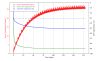
A Dutasteride Simulator predicts serum dutasteride, serum DHT, and scalp DHT levels using models from research papers. It simulates various dosing schedules to determine steady-state effects and visualizes outcomes, including hair growth-related scalp DHT suppression.
A user, 35M, has been using oral finasteride for 5 years and 5% minoxidil for 3 years, which stopped hair loss but didn't promote regrowth. After starting RU58841 5 months ago, they noticed long, translucent hairs and are asking if these hairs will darken and how to encourage this.
A trans woman is using finasteride, minoxidil, microneedling, and HRT to address hair loss, with noticeable improvement in hairline shape and presence of vellus hairs. She is considering hair transplants if these treatments don't yield desired results within a year or two.
The user is experiencing diffuse thinning despite using oral minoxidil (3mg), dutasteride (0.5mg), microneedling, scalp massaging, and vitamins. Suggestions include increasing the minoxidil dose, checking for scalp conditions, and continuing current treatments.
Follistatin, known for inhibiting myostatin and promoting muscle growth in mice, is being discussed as a potential treatment for hair loss. Specific treatments mentioned include Minoxidil, Finasteride, and RU58841.
The user stopped finasteride due to testicular aches and switched to minoxidil, seeing positive results in three months. They are considering topical finasteride but are cautious because of past side effects from oral use.