Search
for
Sort by
Community Join
540-570 / 1000+ resultscommunity Help in figuring out carrier for topical finasteride!!!
OP is considering using Stemoxydine or the Ordinary Multi Peptide Hair Serum as a carrier for topical finasteride, avoiding minoxidil due to palpitations. They plan to crush finasteride pills into a 30 ml solution.
community Clascoterone (Winlevi) now approved in Canada
The conversation is about the approval of Clascoterone (Winlevi) in Canada for hair loss treatment. One user expressed skepticism about its effectiveness due to low concentration.
community can we add minoxidil sulfate to the mesotherapy with dutasterid
The conversation discusses the possibility and safety of adding minoxidil sulfate to mesotherapy with dutasteride. Users are inquiring if anyone has tried this combination.
community 5ARI (dutasteride) Associated with Adverse Metabolic Effects
Dutasteride is associated with increased blood glucose, HbA1c, LDL cholesterol, and liver enzyme activity, potentially leading to diabetes, NAFLD, and liver metabolism changes. The conversation highlights concerns about these adverse effects and calls for more studies, including on finasteride.
community 2 months progress 26M, fin+minox, microneedle 1mm
A 26-year-old shared their 2-month progress using finasteride, minoxidil, microneedling (1mm weekly), and vitamin D3 for hair loss. They are pleased with the results.
community Haircafe - TOPICAL minoxidil is an anti aging drug
Topical minoxidil may cause skin aging effects like wrinkles and dark circles, possibly due to its alcohol content, while oral finasteride is reported to make users look younger. Switching to oral minoxidil or using moisturizers might help reduce these skin issues.
community Minoxidil and facial aging
Minoxidil may cause facial aging or wrinkles, though opinions vary. Some users report side effects like dark circles and facial bloating, while others attribute changes to genetics or other factors.
community Is this regrowth. Semi natural approach.
The conversation discusses a hair loss treatment regimen that includes scalp massage, derma rolling, saw palmetto, rosemary, peppermint oil, pumpkin seed oil, and various supplements like vitamins C and D, multivitamins, biotin, collagen, and fish oil. The user is asking if the treatment has led to hair regrowth.
community Bloodwork after 17 months on finasteride
A 25-year-old male has been using finasteride for 17 months and recently switched to dutasteride. His bloodwork shows increased luteinizing hormone levels, possibly due to increased testosterone, with no side effects and improved libido.
community Did you get blood work done before starting finasteride?
community Min without fin (unique problem)
Hair loss from headspin friction might be improved with minoxidil if follicles are healthy. Finasteride isn't needed, and microneedling is suggested.
community 9 months fin daily, inconsistent topical min, microneedling 1x per week
community Is this how microneedling should look?
The conversation is about the correct way to do microneedling for hair loss, with some users suggesting the user is pressing too hard and causing too much bleeding, while others think the amount of blood is fine. Specific treatments mentioned include microneedling, with advice to disinfect the roller and possibly use a shorter needle length.
community M33. 5 month progress. FUE 3500 and Min+Fin.
community u/joaopassos4444 has zero education in endocrinology, human biology or science, it’s incredibly unlikely he good Will Hunting-ed a medical issue that stumped researchers for thousands of years, please stop buying random supplements based on layman speculation and temper your expectations
User questions credibility of a hair loss "cure" found by a non-expert and warns against wasting money on unproven supplements. Others discuss trying natural extracts and the importance of researching the enzyme 3ADH for potential hair growth benefits.
community 10 month update - 4 in 1 topical solution + dermastamp (sorry for the low quality before)
A user shared their positive experience with a 4-in-1 topical solution containing finasteride, minoxidil, ketoconazole, and biotin, along with weekly microneedling using a 1.2mm dermastamp. The user reported no noticeable side effects and mentioned that the biotin likely doesn't contribute to hair growth.
community Should I apply my grapefruit topically instead of injecting it into my bloodstream?
The conversation is a satirical discussion about using grapefruit for hair regrowth, with suggestions ranging from injecting it to applying it topically or anally. Some users claim unusual benefits like emitting a green aura or jumping high.
community Breezula Phase 3 Clinical Trial Locations. Recruiting at 50 Sites.
The conversation discusses Breezula, a hair loss treatment, and its Phase 3 clinical trial recruitment at 50 locations. Specific treatments mentioned include Minoxidil, Finasteride, and RU58841.
community Oxytocin Pathway and Cinnamic Acid Research
The conversation discusses the potential of cinnamic acid for hair growth. It also mentions treatments like Minoxidil, finasteride, and RU58841.
community You guys should check this out: the connection between cortisol, DHT, inflammation and fibrosis explained?
The conversation discusses the effectiveness of finasteride and microneedling for treating hair loss. The linked article is seen as an advertisement for these treatments.
community My experience using microneedling stamp vs pen. (Bioneedle vs dr pen)
The user compared microneedling with a stamp versus a pen, finding the Dr. Pen more effective and easier to use than the Bioneedle stamp. They also mentioned using oral minoxidil for hair loss treatment.
community Low-dose oral minoxidil and skin aging
The conversation discusses the use of low-dose oral minoxidil for hair loss and its potential effects on skin aging. Users shared experiences, with some noting side effects like puffy eyelids and dark circles, but no conclusive evidence of significant collagen depletion or increased wrinkles.
community Minoxidil Max Ru58841 with PG absorption time
community Any New Findings or Interesting Research?
The conversation is about seeking new research on hair loss treatments beyond the commonly known ones like Minoxidil and Finasteride. Additions to the list of treatments include topical caffeine, alfatradiol, fluridil, stemoxydine, and upcoming treatments like TDM-105795 and verteporfin.
community I am using topical minoxidil 5%+finasteride 0.1% solution since 8 months.
A 42-year-old is using a topical solution with 5% minoxidil and 0.1% finasteride, along with weekly microneedling, for hair regrowth without side effects. The product used is Tugain for men by Cipla, an Indian brand.
community UVA researchers discovered stem cells that plays a crucial role in hair growth - We are closer than ever to the cure!
Researchers at the University of Virginia discovered a new group of stem cells in hair follicles that could potentially restore hair growth. The findings suggest that activating these stem cells might offer a new way to combat hair loss, though practical treatments are still years away.
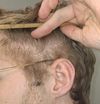
community 28M with Diffuse Thinning and Donor Area Affected, Dutasteride Not Working, Advice on Next Steps?
A 28-year-old male experiencing diffuse thinning and miniaturization around the ears and back has tried finasteride, dutasteride, and both topical and oral minoxidil without success. He is seeking advice on identifying the type of hair loss and next steps since current treatments are ineffective.
community Microneedle and aloe vera after?
The user plans to use a 1.5 mm dermapen for microneedling every 10 days and is considering applying aloe vera afterward. They also inquire about the timing for washing their hair before and after the treatment.
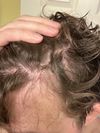
community 28m tips on gaining thickness
A 28-year-old male has been using oral finasteride and minoxidil for over a year without seeing significant results in hair thickness, particularly in the front. He is considering adding dermastamping to his routine and is exploring whether topical treatments might be more effective.