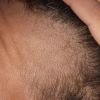
The user has been using finasteride, minoxidil, and a derma stamp for 3 months with significant improvement. They are now adding ketoconazole to their routine.
A 27-year-old male is using a hair loss treatment regimen including topical minoxidil, oral finasteride, dermarolling, ketoconazole shampoo, and mesotherapy with dutasteride and vitamins. He is considering switching to oral dutasteride as recommended by his doctor and questions the necessity and cost of mesotherapy.
The conversation discusses the potential benefits of castor oil for hair thickening, with one user noting it may increase prostaglandin E2 and decrease PGD2. The original poster plans to take 1-2ml orally daily.
The conversation discusses hair loss treatment options, focusing on finasteride and its potential effects on gynecomastia. The user is considering finasteride while managing hormone levels with supplements like boron, vitamin D, zinc, magnesium, and P5P, and is advised to consult an endocrinologist for further evaluation.
The potential of verteporfin to heal wounds without scarring; however, despite its promising preclinical trials and coverage from a major media outlet, there is still no official clinical trial result and the drug has only garnered attention from hair loss communities.
Researchers at the University of Virginia discovered a new group of stem cells in hair follicles that could potentially restore hair growth. The findings suggest that activating these stem cells might offer a new way to combat hair loss, though practical treatments are still years away.
Dutasteride and oral minoxidil are commonly used in Spain for hair loss, with a typical dose of 0.5 mg dutasteride and 2.5-5 mg oral minoxidil. Some users report side effects like erectile dysfunction when using finasteride and minoxidil.
A user applied the 8T3 product for hair loss, targeting LPP and AGA, and plans to update on its effectiveness. The product uses a saline buffered phosphate vehicle, suitable for those intolerant to ethanolic vehicles.
OP experienced significant hair growth after switching from topical treatments to oral Dutasteride, alongside using CJC/Ipamorelin and Cialis. They stopped using topical Minoxidil and Finasteride, attributing the hair growth to the new regimen.
Dutasteride has a larger volume of distribution than finasteride due to its lipophilic nature, allowing it to concentrate in hydrophobic areas and making it difficult to excrete. A user experiencing hair loss has been using oral finasteride for 10 months with minimal regrowth and is considering switching to dutasteride or adding oral minoxidil.
A 21-year-old is using 5mg Minoxidil, 1mg Dutasteride, Nizoral, and occasional microneedling for hair loss, seeing improvement on the left side of the scalp. They stopped microneedling due to scalp inflammation and are awaiting a dermatologist appointment.
The conversation discusses whether to get a blood test to check DHT levels while using Dutasteride for hair loss and concerns about Quercetin's potential interaction with Dutasteride. It concludes that testing DHT isn't necessary unless no effects are seen, and the small amount of Quercetin in a multivitamin likely doesn't interfere with treatment.
The conversation is about the safety and side effects of using dutasteride in mesotherapy for hair loss. The user is skeptical about the lack of reported side effects and seeks anecdotal experiences.
A 30-year-old male is considering switching from topical to oral minoxidil after two months of use on his temples, while also using dutasteride every other day. A user suggests oral minoxidil might be more effective but warns of potential side effects like fluid retention and lower blood pressure.
A user named "tresslessinseattle" receiving a mysterious package of Eucapil hair loss treatment, which they are considering in combination with Minoxidil and Finasteride treatments to boost the regrowth they have been seeing.
The post and conversation are about hair transplant tips and experiences. The user emphasizes thorough planning, essential packing, and post-surgery care, and regrets not using finasteride earlier.
A user took finasteride for hair loss 10 years ago, stopped after a month, and has since suffered from severe erectile dysfunction (ED) and other symptoms. They shared blood test results seeking advice for their condition, and others discussed similar experiences with finasteride and related drugs.
The conversation discusses hair loss progress over 9 months using Dutasteride and oral Minoxidil (2.5mg). Specific treatments mentioned are Dutasteride and oral Minoxidil.
The conversation discusses which vitamins to take alongside 0.5mg finasteride for hair loss, with suggestions including a multivitamin, iron, zinc, B12, vitamin D, Nutrafol, collagen, vitamin C, saw palmetto, and magnesium. Nutrafol is noted for its benefits but also criticized for containing too much biotin.
Dutasteride mesotherapy in women with metabolic syndrome accelerated hair loss after initial regrowth, while women without metabolic syndrome saw continuous regrowth. The user with mild insulin resistance is hesitant to try topical dutasteride and seeks experiences from others with insulin resistance.
Cassiopea claimed that their hair loss treatment, Clascoterone, shows comparable results to finasteride after six months of use. Some users believe Clascoterone could be an additional treatment option for those who do not respond to finasteride.
The conversation discusses Kevin's accurate information on hair loss treatments and highlights Dr. Bloxham's ongoing work with Verteporfin on FUT scars, suggesting people follow Dr. Bloxham's YouTube for updates. It also thanks Haicafe and Melvin from the hair restoration network forum for their contributions.
The group buy for CB-03-01, a topical anti-androgen for hair loss, was postponed and refunded due to issues with the product's form and solubility. The product, also known as Breezula, is an alternative to finasteride with fewer side effects, but its official release is delayed until 2021.
A user is concerned about low testosterone while using finasteride 0.625mg MWF and considers ashwagandha for stress. Others suggest exercise, magnesium, and not worrying about testosterone levels if no significant side effects are felt.
The user is frustrated with hair loss, having switched from topical minoxidil and finasteride to dutasteride and oral minoxidil without seeing improvements. They are considering a hair transplant and are advised to continue the current treatment and explore therapy or lifestyle changes.
Microneedling for hair loss causes some bleeding, which is normal. Dermapen is recommended over dermaroller to prevent tissue tearing and adjust depth.
A 27-year-old male using Minoxidil, Finasteride, and dermarolling for hair loss shared blood test results and experienced side effects with Finasteride. Adjusting the Finasteride dosage helped reduce side effects.
A user is documenting their natural approach to treating a receding hairline using a dermastamp, essential oils (rosemary oil at 3% dilution with pumpkin seed oil), a multivitamin with vitamin D, and daily collagen shakes. They acknowledge the common recommendations of minoxidil and finasteride but prefer to test natural methods and share their results.
The user is frustrated with the lack of visible hair regrowth after 7-8 months of using finasteride and minoxidil, despite initial vellus hair growth. Others suggest patience, switching to oral minoxidil, or using additional treatments like dermastamping, microneedling, and red light therapy.