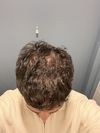
A user is exploring VEGF gene therapy to enhance hair transplant results, considering measuring hair shaft diameter and growth rate. Suggestions include using phototrichograms and possibly adding PRP, though its effectiveness is uncertain.
A user shared their positive 3-month experience using finasteride, minoxidil, and vitamin D to treat hair loss, noting significant regrowth and minimal shedding. They also discussed potential side effects and the low likelihood of experiencing them, while being open to answering further questions.
Minoxidil can cause dark circles and skin issues, and users suggest reducing dosage or switching to foam. Supplements like vitamin C, glycine, and MSM may help with collagen production to reduce these side effects.
Checking vitamin and hormone levels is important for addressing hair loss, as deficiencies in vitamin D, zinc, and iron can affect hair growth. Treatments like finasteride, minoxidil, and vitamin supplements are used, but addressing deficiencies is crucial for effectiveness.
Taking finasteride alone did not stop hair loss, but adding vitamin D3 and iron supplements improved hair coverage and quality. It's important to check and address deficiencies, but caution is advised with iron supplementation without medical guidance.
A user suspects Ritalin is causing hair loss due to vasoconstriction and is considering trying Ginkgo Biloba after already taking a multivitamin and hair supplement. Another user mentions experiencing hair shedding with Vyvanse and Dexedrine.
A user noticed increased hair loss after taking B12 supplements for two months, with B12 levels rising to 1500. They are seeking help as other tests show normal levels of minerals and vitamins.
Calculating the correct dosage of vitamin D from a 60,000 IU bottle using a dropper. The user is advised to take 0.05 ml for 600 IU, but struggles with finding a suitable supplement without additional ingredients like omega 3 or calcium.
The user is experiencing significant hair loss despite using treatments like finasteride, minoxidil, dutasteride, micro-needling, rosemary oil, and various vitamins. In the conversation, others suggest checking iron and hemoglobin levels, maintaining a positive attitude, and adding RU58841 to the treatment regimen.
Alfatradiol (0.025%) is an effective and safe treatment for androgenetic alopecia in both men and women, increasing anagen hair rates with minimal side effects. Users discuss its cost-effectiveness and ease of use compared to other treatments like finasteride and RU58841, with some combining it with stemoxydine and Minoxidil.
The user has been experiencing prolonged hair shedding despite using Dutasteride, Minoxidil, and topical Finasteride, with blood tests showing high free testosterone and low SHBG. Suggestions include adjusting Minoxidil dosage, considering topical anti-androgens like RU58841, and addressing metabolic factors to increase SHBG.
The conversation is about hair loss treatments, specifically using dutasteride and oral minoxidil, and exploring additional vitamins and supplements like vitamin D, zinc, biotin, and omega-3 to support hair health. Users suggest getting a blood panel to identify deficiencies and emphasize the importance of protein and overall nutrition.
The user is experiencing significant hair shedding and suspects it may be due to low serum ferritin levels rather than worsening androgenetic alopecia. They have resumed iron supplementation and are seeking additional solutions to address the shedding.
A user is treating hair loss with Dutasteride, Minoxidil, RU58841, Derminator 2, Vitamin D, Biotin, and Zinc. After 6 months, there's no significant visual improvement, but the user feels less insecure about Retrograde Alopecia.
The conversation is about alternative measures for hair regrowth for those who did not respond to finasteride or dutasteride, including the use of minoxidil and addressing vitamin deficiencies through blood tests.
The conversation is about a user experiencing accelerated hair loss after starting vitamin D3 supplements, suspecting a link between the supplement and increased DHT levels. The user decides to stop taking the supplements, preferring natural sources of vitamin D.
A user shared their 9-month post-hair transplant results with 4600 grafts, using only Nourkin hair vitamins, Vitamin D, and B12, and expressed satisfaction. The replies debated the necessity of medications like finasteride and minoxidil for maintaining hair health.
The conversation is about whether low vitamin levels can cause hair loss. The consensus is that the user's vitamin levels are normal and unlikely to affect hair loss or the effectiveness of finasteride and minoxidil treatments.
A 22-year-old male is concerned about hair loss and questions the effectiveness of prescribed "Merz special" and "Revalid" products, which lack finasteride or minoxidil. Users suggest seeking a different doctor for finasteride and minoxidil treatments.
Diffuse hair loss is often linked to genetics but can also be due to health issues like thyroid problems and low vitamin or iron levels. Treatments include finasteride, minoxidil, and dutasteride, with some seeing improvements after addressing health issues.
Alfatradiol is discussed as a hair loss treatment with minimal side effects, but its effectiveness is debated, and it's not widely known or available outside Germany. Some users report side effects like gyno and ball ache, while others find it effective in stopping shedding and itching.
A 20-year-old is using oral minoxidil, finasteride, and a dermastamp to address hair loss but is concerned about continued thinning and lack of visible regrowth after six months. They are questioning if diet, vitamin deficiencies, or dosage adjustments could impact progress.
2-Deoxy-D-Ribose is discussed as a potential hair loss treatment, but skepticism exists due to lack of human testing. The original poster uses a combination of topical Minoxidil, oral Finasteride, topical RU58841, and other treatments, reporting some hair regrowth but not significant results.
The user is experiencing negative side effects from a hair loss treatment containing finasteride and minoxidil due to high vitamin B6 content and plans to switch to separate pills without unnecessary vitamins. Another user suggests using a version without B6, noting similar symptoms from finasteride.
A user is concerned that prolonged use of valisone (betamethasone) and clotrimazole solution for scalp dermatitis may be causing hair thinning and loss. They noticed thinning in the area where the solution was applied.
A 22-year-old has been using minoxidil and finasteride for hair loss with initial success, but later experienced increased shedding and no regrowth. They recently added vitamin D3 supplements and microneedling, which reduced shedding, but are seeking advice on regrowth, with suggestions to try tretinoin with minoxidil and consider dutasteride.
An 18-year-old male is experiencing significant hair shedding, particularly from the back of his head, despite normal blood test results except for slightly low vitamin D. A dermatologist prescribed minoxidil for receding temples, but the cause of the shedding remains unclear.
The conversation is about identifying nutritional factors that should be checked and supplemented to address diffuse hair loss, including Vitamin D, Biotin, Vitamin C, Vitamin B, Iron, Zinc, Protein, and Omega-3. No specific treatments were mentioned.