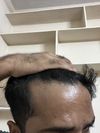
OP shared progress pictures 8 months after FUE surgery in Korea by Dr. Hyun, using Dutasteride. Users discussed the use of Dutasteride over Finasteride in Korea.
User discusses Alfatradiol (17a-Estradiol) as a potential hair loss treatment with mixed results. Concerns include low dosage, receptor theory, and possible increased aromatase activity on scalp.
The conversation discusses the potential of Verteporfin for hair regeneration and improving hair transplant surgery to leave no scars. Specific treatments mentioned include Minoxidil, Finasteride, and RU58841.
A hair loss regimen that includes oral dutasteride and topical minoxidil, as well as occasional dermapen treatments; the user inquires about when they noticed most regrowth.
The user has been using topical Minoxidil and oral finasteride for 7 months and switched to dutasteride for 1 month, seeking better results. They are also looking for oral Minoxidil from Thailand and considering using a dermaroller or dermastamp.
After 10 months on a high dose of Dutasteride, there were no noticeable benefits or side effects, leading to the conclusion that increasing the dose is overrated. Combining 0.5mg Dutasteride with RU58841 or Minoxidil is recommended for better results.
The user has been using dutasteride, RU58841, and minoxidil for hair loss, experiencing some side effects and mixed results, with RU58841 notably reducing scalp itch. Despite extensive treatment, the user has maintained hair but struggles with hairline thickening.
The conversation is about finding places in the U.S. that offer dutasteride mesotherapy for hair loss. The user is seeking recommendations and success stories.
Hair loss treatments like Dutasteride, RU58841, and Minoxidil may not work for everyone, as some individuals experience no improvement despite extensive use and research. Genetic factors can play a significant role, and standard treatments may not be effective for all.
The user has been using 0.5 mg dutasteride daily for 8 months and 5 mg oral minoxidil for 14 months to address hair thinning. Despite some users seeing no change or improvement, the user feels their hairline density has decreased and corners have worsened.
The user is using a regimen of 0.5mg dutasteride, 5% minoxidil foam at night, hair gummies, and rosemary water in the morning to address hair loss. They are experiencing some regrowth and are advised to be patient, with suggestions to possibly increase minoxidil application to twice a day for better results.
A user with high pre-finasteride estrogen levels is asking if they need to normalize their hormone levels before starting finasteride and whether they should postpone dermarolling until they begin finasteride. The user is 21.5 years old.
OP experienced significant hair growth after switching from topical treatments to oral Dutasteride, alongside using CJC/Ipamorelin and Cialis. They stopped using topical Minoxidil and Finasteride, attributing the hair growth to the new regimen.
User reports 12 months of using Mexican finasteride (Novaride), minoxidil spray, and ketoconazole shampoo with significant crown improvement and slight frontal hairline improvement. No current side effects; plans to continue treatment for further gains.
The conversation discusses hair loss treatments, specifically dutasteride, oral minoxidil, and microneedling. Users inquire about side effects, brands, and suggest using topical minoxidil.
User uses dermaroller and minox for hair loss without success, considers adding Stemoxydine and mixing tretinoin with minox. Another user suggests a DHT inhibitor for sustainability.
A 26-year-old is experiencing worsening hair thinning despite using dutasteride 0.5 mg and oral minoxidil 5 mg, alongside ketoconazole for seborrheic dermatitis. Users suggest patience, as results may take 12–18 months, and consider increasing the dutasteride dosage or consulting a dermatologist.
A 26-year-old male has been using Redensyl for nearly two months without progress and recently switched to minoxidil. He is also taking multivitamins with biotin and using ciclopirox shampoo for dandruff.
A group buy for products to treat hair loss, such as Minoxidil, Finasteride and RU58841. Participants are interested in adding more people before ordering the next order.
Dutasteride at 0.5 mg/day does not significantly alter allopregnanolone levels, but higher doses (2.5 mg/day) do. Dutasteride may also have anti-neuroinflammatory effects, but the impact on neurosteroids is still debated.
Using Dutasteride as a hair loss treatment and its potential benefits, including availability in certain countries without a prescription and lower side effects than Minoxidil or RU58841.
Hair loss discussion includes treatments Minoxidil, Finasteride, and RU58841. HMI 115 shows anecdotal success in Phase I trial, users seek group buy for research chemical.
The conversation is about the effectiveness of RU58841 after stopping its use. The user is concerned about losing results if there's a 4-5 day gap before the next bottle arrives.
The conversation is about accessing and purchasing RU58841 or Pyrilutamide for hair loss treatment, with mentions of alternatives like Breezula. Users discuss price differences in various countries and suggest websites like rudirect.com for purchasing.
RU58841 lacks FDA approval due to financial and safety concerns, including potential cardiological side effects. The company abandoned further research, and users report adverse effects like heart palpitations and gynecomastia.
A 32-year-old male experienced reduced libido and erectile difficulties after taking Minoxidil and Dutasteride for hair loss. He stopped the treatment and plans to consult his doctor, seeking similar experiences from others.
Hair density improved using topical dutasteride, minox, keto, and 3.5% fluridil for 6 months. Better results when hair is dry, but still unsatisfied when wet.
Dutasteride mesotherapy is being discussed as a hair loss treatment, with some users not seeing results and considering adding oral finasteride and minoxidil. Dutasteride injections are used as a complement to oral treatments, not as a standalone solution.