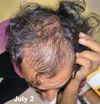
Retinol or tretinoin may improve minoxidil absorption and effectiveness. The user is considering using The Ordinary's 1% retinol as tretinoin is hard to get in their country.
A 7-month update from Markoj44 regarding their hair transplant results, which includes the use of topical finasteride and minoxidil in combination with Viviscal, biotin, Nizoral shampoo, and donor area photos. People responded positively to the post.
The conversation discusses microneedling techniques and the use of Minoxidil, copper peptides, EGF, FGF, ceramides, and hydration serums to enhance hair growth. It explores optimizing scalp conditions and the potential benefits of various compounds in conjunction with microneedling.
The user has been using Minoxidil and Finasteride for four years, added microneedling, and is considering increasing microneedling frequency and possibly using Dutasteride. They are seeking advice on improving hair regrowth and better tracking progress.
The conversation discusses using 23andme to determine if someone might respond well to minoxidil for hair loss treatment, and mentions the user's personal experience with micro-needling and minoxidil.
Hair loss treatments discussed include Minoxidil, finasteride, and RU58841. There is skepticism about claims of a breakthrough, despite FDA approval for human trials.
Microneedling at 1.5 mm should be done every 4 to 6 weeks, not weekly, to prevent scalp trauma and improve hair growth. The user is also using 0.5 mg dutasteride daily, 5 mg minoxidil daily, and started RU58841 two months ago.
The conversation discusses hair loss treatments, specifically Brassica oleracea extract, glucosinolates, and sulforaphane, and their potential to promote hair growth. Users also mention minoxidil and finasteride as existing treatments.
A user's father experienced hair regrowth and other health improvements after two IV exosome treatments. The user also had four rounds of exosome therapy, noting significant hair regrowth and relief from headaches, but no change in gray hair.
The conversation is about using vitamin C and Magnesium L-Threonate for hair growth by reducing DHT binding to dermal papilla cells. The original post about vitamin C's pH levels and sebum control was possibly removed by a moderator.
The user shared their hair regrowth progress using finasteride, minoxidil, microneedling, and tretinoin cream, noting inconsistency in their routine. They plan to be more consistent with treatments in the future.
Adding RU58841 to a regimen of 2.5 mg dutasteride and 5 mg oral minoxidil for potential hair regrowth. Some users suggest a biopsy to determine the cause of hair loss, while others discuss the effectiveness and side effects of various treatments.
The conversation covers aggressive hair regrowth treatments like Dutasteride, Minoxidil (oral and topical), RU58841, microneedling, and ketoconazole shampoo. It also mentions PRP, laser therapy, GHK-Cu injections, and hormone therapy for maximum regrowth.
The user is undergoing Mesotherapy and Low-Level Laser Therapy for hair loss, with plans for multiple sessions. They are also using oral finasteride, topical minoxidil, dutasteride, and hair fibers.
The user is using oral finasteride, topical minoxidil, Nizoral, dermarolling, a hair thickening conditioner, and hair vitamins for hair loss treatment. They stopped taking testosterone due to medical reasons and are now technically on estrogen, but it's unclear if this impacts their hair growth.
Amplifica's new injectable treatment for androgenetic alopecia shows a 15% increase in hair thickness and coarseness in 60 days. The treatment is in early human trials and offers a promising alternative to hormone-related hair loss treatments.
The user had a hair transplant at Vera Clinic Istanbul and is using 1mg Finasteride six times a week, 0.5mg Dutasteride once a week, and topical Minoxidil daily. They wash out the Minoxidil each morning and are happy with the results, noting the importance of medication to prevent further hair loss.
The user is considering a hair transplant after a year on minoxidil without satisfactory results and is advised to use finasteride or dutasteride as a DHT blocker. Suggestions include using microneedling, tretinoin, and possibly needing 3000-4000 grafts for the transplant.
A 25-year-old male experienced noticeable temple regrowth using 1mg finasteride, 2.5mg oral minoxidil, and 2mg GHK-Cu over three months. The user is pleased with the progress, especially on the left temple.
The user experienced hair growth improvement using a 1.25mm microneedle weekly, oral finasteride, oral minoxidil, and rosemary oil. They plan to switch to generic finasteride and minoxidil for safety concerns.
A user shared their 9-month post-hair transplant results with 4600 grafts, using only Nourkin hair vitamins, Vitamin D, and B12, and expressed satisfaction. The replies debated the necessity of medications like finasteride and minoxidil for maintaining hair health.
User shared progress pictures after 2 months of using 5% topical minoxidil, microneedling, and recently adding 0.01% topical finasteride. The minoxidil solution also contains caffeine, azelaic acid, retinol, adenosine, biotin, and niacinamide.
A 17-year-old with AGA is considering Revitacare Haircare Mesotherapy, which includes hyaluronic acid, amino acids, zinc, and B vitamins, injected into the scalp. One reply dismisses it as ineffective.
The user added microneedling to their routine of minoxidil and finasteride, resulting in noticeable hair regrowth after three months. They shared photos showing significant improvement.
User hoodoomoovoo discusses their interest in stem cell research and its potential for hair loss treatment. They share links to studies and mention ongoing trials, expressing optimism for a future solution to hair loss.
A 20-year-old saw significant hair regrowth after 9 months of using DHT blockers (finasteride and dutasteride) and 6 months of hormone replacement therapy (HRT) with estradiol. The regrowth is attributed to low testosterone and high estradiol levels, without using Minoxidil.
Hair loss recovery using estrogen and anti-androgen treatment for 18 months showed significant improvement. However, results vary and alternative treatments like RU58841 and Dutasteride may work without systemic feminization.
The user updated their hair loss treatment to include daily dutasteride, oral minoxidil, topical dutasteride with minoxidil and tretinoin, and RU58841. Commenters feel the extensive treatment is unnecessary for the user's level of hair loss.
The experiences of users who have used RU58841 to treat hair loss, including both positive and negative effects. Some side effects reported include chest pain, joint pain in the hands, tinnitus, and increased heartbeat.
Kintor Pharma has started a Phase II trial in China for GT20029, a potential new treatment for hair loss. Participants are discussing the significance, potential release dates, and comparing it to other treatments and technologies like stem cell hair transplants and SAMIRNA.