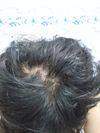
The user is unsatisfied with their hair transplant and is considering another transplant, PRP, exosomes, or stem cells. They currently use topical minoxidil, dutasteride, and tretinoin.
RU58841 is a strong non-steroidal antiandrogen for hair loss but may cause cardiovascular issues in some users. Alternatives like Pyrilutamide and Breezula are suggested due to better safety profiles and lower systemic risks.
Dutasteride capsules should not be bitten or opened due to their foul taste and potential caustic effects. Users shared experiences of accidentally biting capsules and the unpleasant taste, with some suggesting swallowing techniques to avoid this.
User reports worsening hair loss despite using Avodart 0.5mg daily and 2ml of Minoxidil daily for over three years. They maintain a healthy lifestyle and are athletic.
A 23 year old female who experienced Telogen Effluvium due to stress 4 years ago, but her hair is still not back to normal. She is looking for treatments such as Minoxidil and dermarolling that may help with the thinning patches in her hair.
A user was recommended PRP and exosomes for hair loss and asked about combining them and places to get the treatment in the UK. Other users suggested starting with finasteride and minoxidil due to the high cost and variable success of PRP and exosomes.
The user switched from finasteride to DIY dutasteride mesotherapy and topical minoxidil due to side effects. They report improved well-being and no hair loss worsening after stopping finasteride.
PRP treatment for hair loss shows some evidence of effectiveness, with HT surgeons using it post-op to promote growth. Microneedling is mentioned as a cheaper alternative.
A user shared their hair loss journey, detailing two hair transplants and various treatments including finasteride, minoxidil, PRP, and exosomes. They found success with a regimen of topical dutasteride, minoxidil, derma stamping, and caffeine shampoo, leading to improved hair growth and satisfaction.
A 21-year-old female is experiencing rapid hair shedding and receding hairline despite trying various treatments like hydration, vitamins, and castor oil. Medical tests showed normal results, and she seeks advice as the hair loss continues.
The user is experiencing worsening hair loss despite using finasteride, minoxidil, microneedling, and recently adding retinol cream. They are unsure if it's a bad shed or if the treatments have plateaued.
A 44-year-old is experiencing rapid hair thinning after weight loss, despite using finasteride for two years. They have added minoxidil, vitamins, ketoconazole shampoo, derma stamping, and are considering PRP treatment while slowly introducing dutasteride.
The conversation discusses the use of topical peptides ahk-cu and ghk-cu for hair loss. One user reported that while these peptides made their hair look thicker and improved scalp health, they did not notice significant hair growth.
A user experienced hair thinning and increased shedding after starting a high-dose B-complex supplement while using Minoxidil and RU58841. They are seeking advice on whether others have had similar issues with high doses of Vitamin B3 and B5.
A 23-year-old experienced hair regrowth using 1mg finasteride and 5mg oral minoxidil after initial shedding, but noticed hair loss after stopping minoxidil and starting vaping. They resumed oral minoxidil and finasteride, attributing hair loss to nicotine and stopping minoxidil, and are considering additional treatments like dutasteride.
Hair loss discussion involved Finasteride, Minoxidil, and RU58841. User experienced sudden shedding after 1.5 years of Finasteride and Minoxidil use, seeking advice.
Peptides like TB500, KPV, GHK-CU, and BPC-157 are overhyped for hair growth with limited proven effectiveness in humans. Combining peptides with delivery methods like iontophoresis and sonophoresis shows promise, but many claims remain unproven.
Two different experiences of using Pyrilutamide, a hair loss treatment, which caused headaches that took around a week to subside in both cases. Other users offered insight into their own experiences with the treatment or suggested alternate treatments such as RU58841 and Minoxidil.
OP experienced significant hair regrowth after recovering from iron deficiency anemia and starting minoxidil. They suspect anemia contributed more to their hair loss than androgenetic alopecia (AGA).
A user experimented with applying hot water to their scalp to potentially stimulate hair growth, noting reduced dandruff but uncertain hair loss results. They started this method due to side effects from minoxidil and are considering taking a break to observe changes.
The user is on their 5th week of using pyrilutamide for hair loss without experiencing side effects and has noticed slight hair growth. They also use minoxidil with finasteride and dutasteride as part of their treatment regimen.
A user is considering an extensive hair loss treatment regimen including oral dutasteride, oral minoxidil, topical finasteride, tretinoin, microneedling, keto shampoo, laser comb, and PRP injections. Suggestions include simplifying the routine, possibly increasing minoxidil dosage, and considering alternatives like RU58841, while cautioning against using estrogen due to potential side effects.
RU58841 is not FDA approved, and users are discussing its availability and legitimacy in India, with some mentioning brands like Vantanex and Capomil. One user warns about the risk of gyno from RU58841, advising to stop use at the first sign of sensitivity.
A 23-year-old is experiencing hair thinning at the crown and mid part, possibly due to vaping, and is using minoxidil, derma rolling, PRGF sessions, rosemary oil, ketoconazole shampoo, and vitamin D3 supplements. They are considering adding finasteride but are concerned about its side effects.
The user has been experiencing continuous hair loss despite using finasteride, minoxidil, and dermastamping. They are seeking advice on what to do next.
An 18-year-old is seeking advice on microneedling while using RU58841 for hair loss. Recommendations include using a derma pen with 0.5mm needles every two weeks and avoiding RU application for 24 hours post-microneedling to prevent absorption into the bloodstream.
An 18-year-old experienced initial hair improvement with minoxidil but noticed increased shedding after surgery and lifestyle changes. They suspect iron deficiency and are seeking other possible explanations for the hair loss.