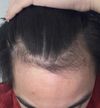
A 17-year-old is experiencing rapid hair loss from NW1.5 to NW3 in six months and feels dermatologists are unhelpful. They are using Minoxidil (Rogaine) and seeking advice on application.
The user is experiencing hair shedding while using finasteride and topical minoxidil with tretinoin, keto shampoo, and dermarolling. They hope the shedding indicates future hair regrowth.
The user is seeking advice on hair regrowth, using vitamins, rosemary oil, Nioxin, and vitamin D. Recommendations include oral minoxidil and avoiding finasteride due to being female.
A user is experiencing hair loss and is trying New Nordic Hair Volume gummies, which contain zinc, biotin, horsetail, and apple extract. Other users suggest that only minoxidil and finasteride/dutasteride are effective, and recommend testing for deficiencies before using supplements.
Increased scalp itching during shedding phases while on finasteride treatment may coincide with hair regrowth and recovery. This suggests that itching might not always indicate continued hair loss and could encourage persistence with the treatment.
The user follows an intensive hair loss protocol including dutasteride, biotin, black tea, pumpkin seed oil, peppermint shampoo, rosemary conditioner, mukemame, soy milk, lycopene, garlic, magnesium, chamomile, spicy food, citrus bergamot, zinc, multivitamins, kefir, and Greek yogurt. They plan to alternate between pumpkin seed oil and safflower oil and will share before and after pictures.
The user is experiencing hair regrowth after three months using minoxidil, 1.25mg finasteride, ketoconazole cream, and a 1.5mm derma roller. They are considering reducing their finasteride dose due to decreased libido.
The conversation is about a user's impressive hair recovery over 14 months using 0.5mg dutasteride, 5% topical minoxidil, saw palmetto shampoo, and occasional microneedling. The results are highly praised by others, with many expressing admiration and hope for similar outcomes.
Diffuse thinners often experience more hair regrowth with DHT blockers like finasteride, possibly due to less DHT sensitivity and the presence of miniaturized, not completely bald, follicles. However, regrowth varies widely among individuals, influenced by factors like genetics, the stage of hair loss, and treatment methods such as minoxidil, microneedling, and dermarolling.
The user has been treating hair loss for 5 years and currently uses 0.5mg dutasteride, 5mg oral minoxidil, and 10,000mcg biotin daily, experiencing the best growth in years without the side effects they had on finasteride. Suggestions from others include starting microneedling, with one comment noting minimal visible hair regrowth.
User shared 9-month hair regrowth progress using a Fin/Min spray from HIMS, with additional microneedling. Other users praised the results and discussed the effectiveness of topical treatments.
A user discusses using topical dutasteride 0.025% once a week for hair maintenance, alongside fortified minoxidil, RU58841, and Reviv Hair Serum. They seek feedback on the effectiveness of this regimen.
The user improved hair density from 45% to 70% using dutasteride and minoxidil, but still uses hair fibers for a fuller look. They added a topical mix of minoxidil, finasteride, and bimatoprost, but doubt further significant improvement.
A 27-year-old is using finasteride, minoxidil, microneedling, and Pilexil shampoo to combat hair loss, with plans to add Nizoral shampoo and light stimulation. Initial results show reduced hair loss and some hair thickening, despite a period of shedding.
A user shared their hair regrowth journey using Minoxidil, Finasteride, Biotin, and B-Complex, along with exercise, resulting in significant hair and facial hair growth. Others in the conversation expressed encouragement and shared similar experiences.
The user is experiencing good hair regrowth using topical minoxidil, oral finasteride, biotin, and ketoconazole shampoo. They are curious about when the regrowth will plateau.
The user has been using dutasteride for 8 months, oral minoxidil for 3 years, and topical minoxidil on temples, with recent microneedling. They experienced thinning after switching from finasteride to dutasteride and are hoping for improvement by the 12-month mark.
PP405 may promote short-term hair growth by pushing follicles into the growth phase, but concerns exist about long-term effects due to lack of rest phases. Users discuss various treatments like finasteride, minoxidil, spironolactone, alfatradiol, and investigational drugs like KX-826 and GT20029 for hair maintenance and regrowth.
A 24-year-old is experiencing hair shedding and regrowth while using dutasteride (1mg), vitamin D, and minoxidil (5%). Others share similar experiences with hair loss treatments like minoxidil and finasteride.
The user experienced hair regrowth after four months of using finasteride, dutasteride, and oral minoxidil. They noted increased oiliness in their hair after starting the treatment.
Hair loss may be linked to DHT, which can both suppress and increase inflammation, potentially as a defense mechanism. Treatments like Minoxidil, Finasteride, and RU58841 are discussed, but the exact cause of hair loss remains unclear.
The user shared impressive hair regrowth results after 11 months using topical finasteride and minoxidil from HIMS. Many users congratulated the progress and inquired about the application method, brand, and potential side effects.
Androgenic alopecia (AGA) might have evolved to reduce prostate cancer risk by increasing UV exposure to the scalp, but this theory is debated. Treatments like minoxidil and finasteride are used for AGA, though the exact causes and evolutionary reasons for hair loss are unclear.
Clascoterone 5% solution shows strong potential for hair growth, offering a new treatment for alopecia with minimal side effects. It blocks androgen receptors locally and may be available by late 2026 or early 2027.
A 25-year-old male shared his successful hair regrowth journey using oral minoxidil, topical minoxidil, finasteride, and dutasteride. He experienced initial regrowth, a shedding phase, and then improved hair density, advising others not to panic during shedding and to act early on hair loss.
A user had a 2250 graft hair transplant using both FUT and FUE methods, and is currently using finasteride, minoxidil, multivitamins, and biotin. Opinions vary on the effectiveness and appearance of the procedure, with some suggesting additional treatments or considering alternative options like shaving or using a hair system.
A 40+ year-old male is experiencing tiny new hair growth after 2 months using topical Minoxidil, 0.5 Finasteride, red light therapy, derma rolling, Biotin, Vitamin D, and Fish oil. Another user advises waiting 6 months to a year for noticeable regrowth, noting that medications mainly maintain hair.
The user shared a 1-year progress update on hair regrowth using topical minoxidil, oral finasteride, biotin, and multi-vitamins, showing significant improvement. Other users praised the results and suggested adding dermarolling for potentially better outcomes.
The user has experienced hair regrowth after switching from topical to oral Minoxidil and starting Finasteride. Other users confirm the regrowth and suggest additional treatments like microneedling and Nizoral shampoo.
Scientists at UCLA have developed a promising treatment for male pattern baldness using a molecule called PP405, which can potentially stimulate dormant hair follicles. Initial trials showed significant results within a week, but larger clinical trials are needed to confirm its efficacy and safety.