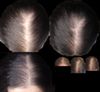
A serum containing Centella asiatica extracellular vesicles, IGF-1, FGF-7, and caffeine significantly improved hair thickness, density, length, and reduced hair loss after 56 days. The conversation also discusses how treatments like finasteride, minoxidil, and ketoconazole address different aspects of hair loss by reducing DHT, improving blood flow, and lowering inflammation.
The user's hair regrowth plan includes topical treatments (RU58841, azelaic acid, ketoconazole), oral supplements (Gia Herbs, castor oil), microneedling, PTD-DBM peptide with valproic acid, red light therapy, inversion table with scalp massage, and platelet-rich fibrin injections. Commenters suggest that finasteride and minoxidil are essential treatments for male pattern hair loss, which are missing from the plan.
A 31-year-old uses Minoxidil, RU58841, Reviv Hair Serum, and Ketoconazole shampoo for hair loss but avoids finasteride. They plan to reintroduce red light therapy (LLLT) and Eucapil despite previous shedding concerns.
A 17-year-old is concerned about hair loss and questions his dermatologist's advice against using finasteride due to age. The dermatologist recommended a serum with aloe vera, saw palmetto, biotin, and dexpanthenol, but the user is skeptical and considers using minoxidil instead.
After a second session of Platelet-Rich Plasma (PRP) treatment for hair regrowth, the user is experiencing increased shedding of thick and dark hairs and is concerned about whether this is temporary. They are seeking others' experiences with PRP, specifically regarding the duration of shedding and eventual positive outcomes.
User experienced hair regrowth after eliminating scalp itch with RU58841. Others discussed itch and hair loss connection, and effectiveness of combining RU58841 with 5AR inhibitors.
The conversation is about the potential side effects of using verteporfin in conjunction with a hair transplant. Specific treatments discussed include verteporfin, a hair transplant (HT), minoxidil (Min), finasteride (Fin), and RU58841 (RU).
The conversation discusses using PGE2 as a hair growth stimulant, comparing it to minoxidil, and considering the addition of Setipiprant. Concerns about side effects like skin damage and cost are also mentioned.
Microneedling should target depths of 0.5mm to 1.5mm for hair loss, with weekly sessions at 1mm recommended. Combining microneedling with Minoxidil is common for improved results.
The conversation discusses a hair loss treatment regimen involving minoxidil, finasteride, RU58841, JXL069, and nizoral shampoo. The user reports seeing new black dots in areas where hair hasn't grown in years, suggesting potential regrowth.
A user with Androgenetic Alopecia is seeking advice on hair growth treatments while planning for pregnancy. Current routine includes LaserCap, Nizoral Shampoo, scalp massage, The Ordinary Multi Peptide Serum, vitamin D, prenatal vitamins, and SEEN shampoo.
A 25-year-old male with seborrheic dermatitis and hair thinning seeks advice on the severity of his condition and treatment options. Oral finasteride and oral minoxidil are recommended as the most effective long-term treatments.
Hair loss discussion mentions using estrogen mixed with growth stimulants like oral minoxidil for scalp hair growth. Idea proposed for an artificial SARM-estrogen that only affects hair without body side effects.
Tazarotene shows potential as a standalone treatment for hair regrowth by stimulating new hair follicle formation and promoting angiogenesis, similar to microneedling effects. It can be used topically without minoxidil, but users should start with a low concentration to avoid irritation.
Significant hair regrowth was achieved using Minoxidil, Dutasteride, and derma stamping. The user noted improved hair quality and thickness with no side effects.
Balding scalps have more androgen receptors, leading to increased TGF-beta, which causes blood vessel loss and hair follicle miniaturization. Blocking androgen signaling and TGF-beta may help prevent hair loss.
Stem cell treatments for hair restoration can be effective, but results vary and depend on factors like the type of stem cells used and timing of treatment. PRP and exosomes have shown some success, while costs and effectiveness differ by location, with South Korea and Turkey offering more affordable options.
Tretinoin alone has led to hair regrowth in the temples and hairline. The user is considering oral minoxidil or dutasteride but prioritizes health first.
Topical finasteride that doesn't penetrate the skin could potentially treat hair loss without side effects. Current challenges include finding a formulation that remains on the scalp without increasing blood levels.
A user shared their year-long hair loss treatment using minoxidil, microneedling, and scalp massages, reporting moderate hair growth and stabilization. They suggest starting early with less harmful methods and consider adding finasteride or dutasteride if needed.
The user shared progress on hair regrowth using oral dutasteride, oral minoxidil, and verteporfin procedures. They reported some regrowth after 6-9 months of treatment.
Combining Minoxidil with peptide serums like Redensyl, Procapil, and Capixyl is more effective for hair growth than using Minoxidil alone, increasing hair density and thickness. However, some users are skeptical about the effectiveness of peptides, suggesting other ingredients or factors might contribute to the results.
The post discusses using a topical tincture containing zinc, azelaic acid, and other ingredients to inhibit 5 alpha-reductase activity for treating hair loss. The user plans to try this natural alternative before using finasteride or RU58841.
Low testosterone and estradiol may contribute to hair loss, and blocking DHT without sufficient hormone levels might hinder regrowth. The discussion highlights the importance of hormone balance, with some considering supplements and lifestyle changes to support hair health.
Exosome injections stimulate hair growth by using exosomes' healing potential to awaken dormant hair follicles and promote new hair cell creation. The procedure increases scalp blood circulation, encourages collagen and elastin formation, and regenerates hair follicles, improving hair thickness and quality.
The user experienced hair regrowth and darker hair using finasteride daily, minoxidil nightly, and occasional dermarolling. They noticed significant progress, especially in hair density, and are considering increasing minoxidil use despite itchiness from wearing a hat.
A 25-year-old is considering treatments for hair regrowth, including ketoconazole shampoo, 5% Minoxidil, Minoxidil with Tretinoin, and possibly ordering RU58841. They are hesitant about using Dutasteride or Finasteride due to perceived risks but are motivated to regrow hair to improve appearance due to visible veins from low body fat.