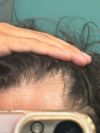
The user has been using finasteride, minoxidil, and a derma stamp for 3 months with significant improvement. They are now adding ketoconazole to their routine.
A 19-year-old experiencing diffuse thinning on the top of the head has seen some improvement with ketoconazole but is considering starting finasteride. They are seeking advice on whether to begin this treatment as they approach their 20th birthday.
A 21-year-old male with advanced hair loss (NW7) started using finasteride and minoxidil 10 months ago but hasn't seen much progress. He is pre-diabetic with stage 1 hypertension and is seeking insights on whether treating these conditions could improve hair regrowth.
A user successfully maintained hair using fluridil, alfatrodial, minoxidil, and ketoconazole shampoo after experiencing side effects from finasteride. They question why this combination isn't more popular despite its effectiveness.
A 23-year-old male with slight hair thinning is using ketoconazole shampoo, biotin, zinc, magnesium, D3/K2, and has just started topical finasteride (0.0125%). He plans to add minoxidil (4.5%) with 17α-estradiol and is seeking advice on the effectiveness and side effects of these treatments, as well as the use of a dermaroller.
The user is experiencing progressive hair thinning despite using finasteride and dutasteride. A biopsy confirmed male pattern baldness, and minoxidil was suggested as an additional treatment.
A 21-year-old male diagnosed with telogen effluvium and male pattern baldness started oral finasteride, which initially slowed hair loss and slightly thickened hair, but experienced increased shedding after surgery. The doctor recommended iron and vitamin D supplements, and the user is seeking additional advice.
The user has been using a daily topical spray of finasteride and minoxidil, along with occasional microneedling, to address hair loss since August 2023, and is considering switching to oral medication for convenience and cost reasons. Despite progress, they are exploring options like increasing microneedling frequency or potentially undergoing a hair transplant to address a stubborn spot.
The user shared their five-month progress using topical minoxidil, oral finasteride, and dermarolling for hair regrowth, noting improvements despite some areas remaining thin. Other users suggested switching from dermarolling to dermastamping for safety and effectiveness.
A 19-year-old female with Diffuse Alopecia was advised by a dermatologist to use vitamin supplements, a hair serum, and antifungal drops, leading to some improvement. Other users suggested treatments like minoxidil, microneedling, and consulting a different dermatologist for further advice.
Hair loss treatment using 1.25 Finasteride Teva daily, Folcare Minoxidil 5% 2x a day, dermarolling, Nizoral, Hask biotin boost shampoo, and 5000mg biotin pill. User unsure if experiencing regrowth or just growth, especially in crown area.
A potential new hair loss treatment, HMI-115, and the possibility of discontinuing finasteride in favor of it. The conversation also includes discussion about other benefits of using finasteride.
The post and conversation discuss Verteporfin's potential as a hair loss treatment. It's shown promise in regrowing hair after transplants and might be effective with microneedling.
The conversation discusses a patent filed by Shiseido for cloning Dermal Papilla (DP) cells to treat hair loss. The method involves using viral vectors to maintain the cells' growth-inducing properties, differing from Replicel's approach with Dermal Sheath Cup (DSC) cells.
The conversation suggests that the hair thinning could be due to stress and vitamin deficiency rather than male pattern baldness. It recommends correcting the vitamin deficiency first and considering Minoxidil for hair growth if needed.
The user is using 5% Minoxidil, a 1 mm derma stamp, Vitamin D3, Zinc, and anti-dandruff shampoo for hair regrowth. They plan to consider DHT blockers like finasteride in the future.
The user experienced hair shedding and follicle shrinkage when using retinoic acid, despite trying different concentrations and frequencies. The hair loss persisted for six months but regrew after stopping the treatment.
The user is considering another hair transplant or scalp micropigmentation (SMP) for a congenital bald spot, but previous transplants were less effective due to scar tissue. Suggestions include using hair fibers, changing hairstyles, or doing nothing, as the spot is not very noticeable.
A user successfully managed finasteride-induced gyno symptoms by making lifestyle changes, including fasting, avoiding soy, and increasing cardio. They resumed finasteride with a lower dose combined with minoxidil and P7 vitamins without recurrence of symptoms.
The conversation discusses the delay in bringing FAK inhibitors and Stanford's hydrogel to market for hair transplants, with a preference for FAK inhibitors over Verteporfin due to their superior potential in preventing scarring. The user expresses frustration over the slow progress and hopes for faster development by companies like FAKnostics.
Hair regrowth after telogen effluvium, with the user experiencing hair loss at the temples and regrowth after taking omega-3/fish oil tablets. Suggestions include consulting a dermatologist and considering supplements like Biotin, Zinc, and Vitamin D.
The user used topical finasteride 0.3% and minoxidil 6% nightly for 6 months, then added oral finasteride 1mg daily a month ago, which improved hair density. They also started using Flakes shampoo for scalp irritation, finding it more effective than keto shampoo.
A user with early-stage diffuse hair thinning asked for long-term success stories using treatments like finasteride, minoxidil, and RU58841. One person regained most of their hair after 22 months on finasteride and minoxidil, while another saw significant improvement with oral minoxidil after trying various treatments over many years.
Oral minoxidil can cause multiple facial hairs to grow from one follicle, known as Pili Multigemini, leading to ingrown hairs and zits. Users report increased facial and body hair growth, with some experiencing fewer issues after switching to dutasteride.
The user has been using 1MG finasteride, 5% minoxidil, LLLT, and derma stamping for a year to improve hair density for a potential transplant. They are considering switching to dutasteride and are unsure whether to proceed with a transplant now or wait for more growth.
A 23-year-old is using a topical 5% finasteride/minoxidil spray, microneedling, and taking biotin and vitamin D for hair regrowth, noticing slight improvement but still experiencing thinning. They are considering switching to oral finasteride but are concerned about potential side effects.
The user shared their successful hair regrowth using oral finasteride, minoxidil foam, a custom topical solution, ketoconazole shampoo, and microneedling, resulting in significant improvement at the crown. However, they experienced hairline recession after switching to a topical solution with finasteride and minoxidil, raising concerns about its effectiveness.
A 28-year-old male has been using oral finasteride and minoxidil for over a year without seeing significant results in hair thickness, particularly in the front. He is considering adding dermastamping to his routine and is exploring whether topical treatments might be more effective.
The user shared their hair loss treatment progress using topical products like exosomes, fluridil, Kx826, and topical dutasteride, avoiding oral finasteride and dutasteride due to side effects. They found exosomes from Creative Biolabs most effective and also used topical probiotics, noting improvements without significant side effects.