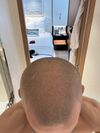
The user is 10 days post-hair transplant, pleased with the results so far, and hopes for increased density. The procedure was done at Vanity Hospital in Istanbul, with around 3400-3750 grafts used.
The user experienced significant hair regrowth using 5% topical minoxidil twice daily and 1mg oral finasteride once daily over a year. They reported no major side effects, only slightly less chest hair.
A user recommends a biotin collagen shampoo for making hair appear thicker and feeling nice. Another user mentions using a similar product with argan oil from Walmart.
Carnosic acid in rosemary extract may enhance skin repair and promote hair follicle regeneration. It could be used alone or with verteporfin for scarless healing after dermal wounding.
A 21-year-old shared their 6-month hair regrowth journey using daily finasteride tablets and once-daily topical minoxidil, noting significant improvement in hair thickness, especially at the corners, with minimal side effects. They also mentioned using minoxidil for beard growth with limited success and occasionally using a dermaroller.
A user shared their five-year journey battling hair loss using 0.5mg dutasteride daily, minoxidil twice a day, and occasional dermarolling, resulting in thicker hair. They plan to undergo a hair transplant and hope to inspire others with their story of perseverance and commitment.
A user shared their positive experience using keratin hair thickening fibers to conceal a balding crown after six months on finasteride. Other users discussed various hair loss solutions, including minoxidil, dermarolling, and scalp micropigmentation.
The user reported progress in hair loss treatment using oral finasteride, keto 2% shampoo, and vitamin D. They experienced reduced hair fall, fewer scalp issues, and hope for improved hair density.
A 24-year-old shares a 1-month update on his hair regrowth journey using 1mg oral finasteride, 10mg oral minoxidil, dermarolling, and pyrilutamide. Replies suggest it may take a few hair cycles for vellus hairs to mature into normal hairs, with progress varying by individual.
The user started taking multivitamins, derma rolling, using rosemary oil, and taking 0.5mg finasteride daily. They noticed slight hair improvement and are questioning if the changes are due to finasteride or the other treatments.
A woman experiencing hair loss, exacerbated by wearing a hijab, is seeking advice for her upcoming wedding. She has tried various treatments, including minoxidil, finasteride, and stem cell therapy, and is considering using hair fibers and extensions to cover her scalp.
Stem cell hair transplants use stem cells from fat tissue to reactivate inactive hair follicles, but results are inconsistent and not widely shared. Traditional treatments like finasteride and minoxidil often show better results.
A 21-year-old male diagnosed with telogen effluvium and male pattern baldness started oral finasteride, which initially slowed hair loss and slightly thickened hair, but experienced increased shedding after surgery. The doctor recommended iron and vitamin D supplements, and the user is seeking additional advice.
A user is seeking suggestions for a custom hair lotion mix containing minoxidil, finasteride, caffeine, niacinamide, and biotin. Another user suggests adding tretinoin, topical valproate, and bimatoprost.
A user had a hair transplant 16 years ago and lost hair after stopping finasteride. They're now using a combination of treatments including oral dutasteride, topical and oral minoxidil, Pyrilutamide, and microneedling, and have seen improved density but are unsure if it's enough to grow their hair out. They also had a bad experience with scalp micropigmentation (SMP) and are considering redoing it.
A 32-year-old woman reported significant hair regrowth after 103 days of using 5% minoxidil once daily, along with biotin, iron supplements, and a balanced diet. She observed many new baby hairs and no bald spots, aiming for denser and longer hair while maintaining her regimen.
A 21-year-old experiencing hair loss was prescribed two shampoos and hair vitamins by a dermatologist who suggested seborrheic dermatitis as the cause. However, users in the conversation suggested the hair loss could be male pattern baldness (MPB), recommending monitoring the situation and considering finasteride as a treatment.
In this conversation, 4990 discussed various treatments for hair loss, including oral minoxidil, PRP, transplan, Jak inhibitors, Dutasteride, Finasteride, Olumiant, Ketoconazole, RU58841, microneedling, baricitinib, and CCCA. They recommended scalp biopsies in unclear cases of DUPA, twice weekly to twice daily shampooing for topical minoxidil users, and two sessions spaced one month apart with follow up at month three to determine the effectiveness of PRP treatment.
The conversation discusses Kevin's accurate information on hair loss treatments and highlights Dr. Bloxham's ongoing work with Verteporfin on FUT scars, suggesting people follow Dr. Bloxham's YouTube for updates. It also thanks Haicafe and Melvin from the hair restoration network forum for their contributions.
The conversation is about creating a higher concentration of the newly FDA-approved hair loss treatment, Clascoterone (Winlevi), through compounding pharmacies and possibly organizing group purchases. Some users are unfamiliar with Winlevi and are asking for an explanation of the drug.
The user aims to achieve a hypertrichosis look and has used topical Minoxidil for 20 years, now trying oral Minoxidil in a low dose. They seek alternatives to Minoxidil to avoid side effects.
The user is documenting their hair regrowth journey using oral finasteride, topical minoxidil, ketoconazole, dermarolling, biotin shampoo, and rosemary oil. They are committed to maintaining this regimen to track progress.
An 18-year-old is dealing with hair loss and considering minoxidil and finasteride. Suggestions include starting finasteride, saving for a hair transplant, embracing baldness, and focusing on self-improvement.
User shares new hair growth stack including oral minox, daily rolling with minox application, niacin, and Dutasteride. Excited about progress and plans to update in two months.
Taking 2.5mg oral Minoxidil daily can increase body hair, with users reporting thicker and longer hair, including on eyebrows and eyelashes. Some users suggest starting with a lower dose to manage unwanted hair growth.
The user is experiencing severe hair loss and color change despite low testosterone levels and healthy lifestyle changes. They have tried ketoconazole shampoo and consulted a dermatologist, who found no scalp issues but suggested using Toppik for coverage.
Hair loss can be distressing, but treatments like finasteride, dutasteride, minoxidil, and dermarolling are available, though not universally effective. Staying positive and considering options like wigs, hair transplants, and future treatments can help maintain self-worth and optimism.
Hair regrowth after chemotherapy varies; some experience thinner or differently colored hair, while others may see fuller regrowth. Treatments like essential oils, vitamins, and lifestyle changes are discussed, but no specific medications like Minoxidil or Finasteride were used by the original poster.