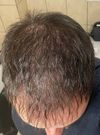
The conversation discusses using liquid cetirizine as a topical treatment for hair loss. It mentions Minoxidil, finasteride, and RU58841 as other treatments.
Bovine colostrum is being discussed for its potential in hair regeneration, with some users noting that oral consumption may not be effective due to stomach acid destroying exosomes. The conversation also touches on ethical concerns about sourcing colostrum.
Treating hair loss with various remedies, such as Cetirizine and the Big3 complex (minoxidil, finasteride, and RU58841), which have properties like adipogenic, anti-fibrotic and anti-inflammatory. References to research studies are also included.
A dermatologist recommended a new supplement containing annurca apple, which reportedly doubles hair density and increases keratin after 60 days, to be used with finasteride. Some users are skeptical, considering it potentially ineffective or a marketing ploy, while others are open to trying it if it proves effective and affordable.
RU58841, combined with 5% minoxidil, helped reduce acne and hair loss. Users discussed using RU58841 cream for acne and shared experiences with other treatments like finasteride and dutasteride.
A user asks about experiences with Minichek F 5% with Procapil, specifically its drying time. Responses discuss the effectiveness and drying time of the treatment.
The user has been using oral minoxidil and dutasteride for hair loss without success and is considering adding topical 17α-estradiol, Pyrilutamide, Clascoterone, or cetirizine. They have confirmed low serum DHT levels and are exploring additional treatments due to genetic sensitivity to DHT and prostaglandin D2.
A user switched from Kirkland minoxidil to a cheaper Amazon brand called Adellina, which includes Biotin, Ginseng extract, and Collagen, and saw significant hair growth within a week. They also transitioned from oral to topical finasteride after achieving their hair growth goals.
The user is exploring alternatives to finasteride and dutasteride due to concerns about side effects, and is using rosemary and jojoba oil, ketoconazole, minoxidil, microneedling, multi-peptide serum, saw palmetto, and stinging nettle for hair loss. They are also considering CB 03 01 and spironolactone.
The conversation discusses the synthesis and potential use of JXL069 and PP405 for hair loss treatment, with skepticism about their effectiveness and concerns about safety. Users mention that JXL069 has shown no results in hair growth, and there is confusion about its identity and effectiveness compared to PP405.
Treatments for hair loss, such as Minoxidil, Finasteride and RU58841. The first user asked for proof of the effectiveness of these treatments, and the second user responded with a humorous reply.
A user found relief from minoxidil-induced scalp itch by using a different product, as Nizoral dried out their scalp and worsened the condition. The conversation focuses on managing side effects of hair loss treatments.
The conversation discusses the absorption and effectiveness of PG-free versus PG versions of RU58841, with some users believing PG improves efficacy while others see no difference. Concerns about RU58841's potential side effects on the endocrine system are also mentioned, with one user considering switching to pyrilutamide.
The conversation is about a hair loss treatment regimen that includes finasteride, dutasteride, oral minoxidil, Dermapen, quercetin, N-acetyl L-cysteine, biotin, millet seed extract, MSM, OPC, green tea extract, high-dose vitamins B1-B12, boron, and silica. The user is seeking advice on additional treatments.
Dr. Bloxham's 9-month update on FUT scar revision with Verteporfin shows promising results. Excitement is high for FUE, which appears highly effective based on Dr. Barghouthi's findings.
Capilia Longa and Scandinavian Biolabs are discussed, with skepticism about their effectiveness and value. The conversation suggests avoiding these products due to high cost and perceived lack of results.
The conversation discusses using Cedarwood, Rosemary, and Lavender essential oils for hair growth and preventing hair loss. The user plans to apply Cedarwood oil daily.
Tocotrienols are being discussed as a potential treatment for hair regrowth, but users report no noticeable effects after several months of use. Some users are combining tocotrienols with other treatments like pumpkin seed oil and peppermint and rosemary oil.
The conversation discusses alternatives to minoxidil and finasteride for hair loss, with users expressing skepticism about the effectiveness of Redensyl, Procapil, and Baicapil. One user recommends Finax by Dr. Reddy as a reliable option in India.
Actifolic's RU58841 and Pyri products are perceived as ineffective, with users reporting no side effects or improvements, suggesting possible quality issues. Users recommend alternative sources and emphasize the importance of timing when using RU58841 with Minoxidil.
A user plans to create a copper peptide hair serum with GHK-Cu and AHK-Cu, considering adding 5% minoxidil but avoiding finasteride and dutasteride. They seek suggestions for improving the product without complicating it.
A new hair growth spray in the UK contains finasteride 0.3%, minoxidil 5%, and tretinoin 0.01%, but some users find the finasteride concentration too high. Another brand offers a similar spray with a lower finasteride dose at a cheaper price, and some users report scalp irritation from the new spray.
PP405 is suspected to be a scam, with users doubting its legitimacy and effectiveness. Many recommend using proven treatments like finasteride and minoxidil.
A gel of keratin microspheres promotes hair follicle growth, showing similar effectiveness to minoxidil in mice. The treatment activates hair growth pathways and reduces inflammation, with potential applications in drug delivery for hair-related disorders.
The conversation discusses using topical Calcipotriol and Valproic Acid for hair loss, focusing on their mechanisms involving the VDR receptor and Wnt/beta-catenin pathway. Specific treatments mentioned are Minoxidil, Finasteride, and RU58841.
Peptides like GHK-Cu, BPC-157, and TB-500 have significantly reduced hair loss, with GHK-Cu being particularly effective. The discussion also covers the high cost of these peptides and explores more affordable purchasing options.
Topical diazoxide may be a promising hair regrowth treatment, especially for those who don't respond to minoxidil, as it activates potassium channels without needing sulfation. It appears safe for topical use, avoiding systemic effects seen in oral use.
The user uses finasteride, ketoconazole shampoo, and derma stamping for hair loss. They consider rosemary and castor oil as alternatives to minoxidil due to fewer side effects.
Dr. Muñoz's discovery suggests that targeting potassium channels in fibroblasts could reactivate hair growth, offering new treatment possibilities for alopecia. Potential strategies include using minoxidil, diazoxide, and other potassium channel openers, as well as bioelectric devices and direct growth factor applications.