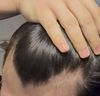
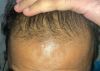
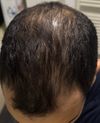
A 48-year-old male experienced hair regrowth after using oral finasteride for 3 years, despite stopping due to side effects like depression and low energy. He achieved a fuller look with styling techniques and reported using organic shampoo and herbal treatments.
A 28-year-old experienced hair loss and found success with daily 1mg Finasteride, noticing thicker hair without side effects. Despite this, their dermatologist suggested switching to expensive peptide serums, prompting the individual to seek a second opinion on long-term Finasteride and oral Minoxidil use.
A user is concerned about low hair density 12 months after a hair transplant and is not using finasteride or minoxidil, only taking biotin. They are seeking advice on whether this is normal, if starting medication now would help, and when to consider a second procedure.
A 30-year-old with Norwood 3V hair loss uses finasteride 1.25 mg every other day and Minoxidil (Regaine 5%) twice daily, experiencing no side effects with the current regimen. The front hairline remains unchanged, but the crown appears better in certain lighting.
The user is questioning whether their hair shows signs of regrowth or just normal growth after two weeks. They are using Minoxidil, Finasteride, and RU58841 for hair treatment.
A 22-year-old has been using minoxidil and finasteride for four years with limited success and recently added microneedling to their regimen. They have seen some hair regrowth and are advised to continue using minoxidil alongside microneedling and consider lifestyle factors like diet and stress.
The user is experiencing hair loss despite using finasteride 1 mg daily and topical 5% minoxidil on the hairline. They are seeking advice as the treatments seem less effective over time.
Young people are using hair loss treatments like finasteride and dutasteride without having hair loss, influenced by social media trends. Concerns are raised about the potential long-term effects of taking these medications at a young age.
The user is happy with the progress in hair density after using a regimen of oral Dutasteride, topical Minoxidil, Tretinoin cream, Ketoconazole shampoo, and an LLLT helmet. They reported no side effects and noted that Dutasteride and Tretinoin were particularly effective.
Switching from topical to oral minoxidil, specifically using split dosing, led to significant hair regrowth and reduced side effects for the user. The combination of oral minoxidil and finasteride proved more effective than previous topical treatments.
A 22-year-old male using finasteride for hair loss has experienced reduced hair density after 11 weeks, with hopes for stabilization or regrowth. Users suggest adding treatments like dutasteride, minoxidil, and ketoconazole, but emphasize patience and consistency with the current regimen.
An 18-year-old is maintaining a stable hairline using Minoxidil, topical finasteride (Fynzur), and Dermastamp, and is considering adding oral finasteride for prevention. They seek advice on whether starting oral finasteride early is necessary given their family history and current regimen.
The user experienced facial puffiness after switching from finasteride to dutasteride, which they believe is due to dutasteride. They are seeking advice on reversing this effect, considering factors like diet, exercise, and potential hormonal changes.
The user has been using a topical solution containing minoxidil and finasteride for 10 months but is not satisfied with the results, as there is no significant hair regrowth or thickening. They are questioning whether they are a non-responder or if they should continue the treatment longer.
The conversation is about hair regrowth using topical minoxidil, microneedling, and vitamin supplements. The user is hesitant to use DHT blockers like finasteride due to concerns about hormonal side effects.
South Korea's president is advocating for hereditary hair loss to be covered by national health insurance due to its impact on mental health and daily functioning. The discussion highlights the societal pressure in South Korea regarding appearance and the potential benefits of treating hair loss to improve mental health.
A user shared their positive experience with hair regrowth using 1mg finasteride and 5% topical minoxidil daily, showing significant improvement in hair density over six months. The conversation includes supportive comments and questions about the treatment details, such as whether finasteride was taken orally or topically and if microneedling was used.
The user experienced significant hair regrowth using finasteride tablets, minoxidil foam, and vitamins since April, alongside previous scalp micropigmentation. They are considering growing their hair out due to improved hair density.
The user is considering switching from a topical minoxidil and finasteride solution to oral minoxidil to improve hair growth, while maintaining oral finasteride. They are concerned about potential shedding and whether they can maintain any new growth.
Young individuals experiencing hair loss are discussing their experiences with treatments like minoxidil and finasteride. Some report positive results with finasteride, despite side effects, while others share tips for managing minoxidil-related dandruff.
A 36-year-old man with androgenetic alopecia suspects copper and zinc deficiencies may be accelerating hair loss and is supplementing copper to address this. He is also monitoring blood sugar levels due to previous prediabetes concerns and plans to test for insulin resistance.
The user experienced significant hair regrowth and increased confidence after using 0.5mg finasteride daily and 5% minoxidil once daily for five months, with no side effects reported. Other users shared similar experiences, discussing libido changes and considering testosterone replacement therapy (TRT).
A 20-year-old male is frustrated with his dermatologist for refusing to prescribe DHT blockers like finasteride or dutasteride, instead pushing for a hair transplant despite ongoing hair thinning. The user feels dismissed and unreasonably treated, and is advised by another user to find a better dermatologist and consider finasteride or dutasteride for effective treatment.
A 25-year-old male with 10 years of hair loss is using minoxidil and considering adding finasteride or dutasteride, possibly with microneedling, to improve hair regrowth before a hair transplant. Community members suggest starting a DHT blocker immediately, considering oral minoxidil, and addressing low vitamin D and HDL levels.
A user is considering starting treatments like Finasteride, Minoxidil, and Microneedling for hair thinning, despite stable hair loss for over 8 years. They are unsure if the presence of miniaturized hairs indicates potential for regrowth or if they should accept the current state.
A 26-year-old male started treatment with 1 mg finasteride and 2.5 mg oral minoxidil on September 25. By November, he noticed significant hair regrowth with no major side effects, except increased hair growth in other areas.
An 18-year-old started using minoxidil 5% and ketoconazole 2% shampoo for hair loss but hasn't seen progress after 5 months. They are considering adding finasteride to their treatment.
A 20-year-old male experiencing hair thinning uses 1mg finasteride and 2.5mg minoxidil daily, and seeks styling advice to hide frontal scalp thinning. Recommendations include using hair powder, mousse, sea salt spray, and matte clay, along with specific styling techniques like blow-drying and using a detangling brush.
The user experienced significant hair regrowth after 5 months on 0.5mg of finasteride, with no side effects except mild, temporary testicular pain. Minoxidil was used for 5 years without noticeable results, and dermastamping and rosemary oil were also mentioned as part of other users' routines.