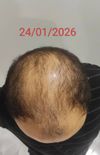
The user experienced noticeable hair regrowth after one year using finasteride and minoxidil, with improvements seen around 5-6 months. They report no side effects and use liquid minoxidil twice daily.
The conversation discusses hair regrowth treatments, specifically using oral minoxidil, finasteride, and dutasteride. The user experienced hair growth after switching to oral medications and adjusting dosages, with no significant side effects reported.
A 33-year-old is experiencing positive hair regrowth after 4.5 months using 0.5mg finasteride, topical minoxidil, ketoconazole shampoo, and a 0.5mm derma stamp. They had initial shedding but now see less hair loss, with no sexual side effects and improved libido.
The conversation discusses a user's hair growth routine involving scalp massages, dermastamping, and rosemary oil, with mixed opinions on its effectiveness. Some users suggest proven treatments like minoxidil and finasteride, while others debate the merits of alternative methods.
A 23-year-old male has been experiencing hair loss since age 19 and has tried topical minoxidil, oral finasteride, and topical finasteride, but experienced side effects. He is considering oral minoxidil as a last resort and seeks recommendations.
A 40-year-old man experiencing male pattern baldness reports noticeable hair regrowth after 6 weeks of using finasteride 1 mg daily, topical minoxidil 5% twice a day, and ketoconazole shampoo twice a week. He has not experienced any side effects and plans to continue monitoring his progress.
A 31-year-old male shared his 4.5-month progress using finasteride, topical minoxidil, and dutasteride mesotherapy for hair loss, showing significant improvement in crown density and overall hair texture. He reported no side effects and plans to continue the treatment to assess further results.
The user has been using finasteride, minoxidil, and a dermaroller for 80 days to treat hair loss. Early results are noted, but significant improvement is expected in 3–6 months.
A 25-year-old male has been treating hair loss for six months using 5% minoxidil once daily, 0.02% DIY topical finasteride once daily, and microneedling every two weeks. He reports increased hair density and some regrowth, particularly vellus hairs, and plans to continue the regimen, possibly adding oral finasteride in the future.
The user shared impressive hair regrowth progress after 3 months using topical finasteride and minoxidil, noting initial libido reduction that normalized. Other users discussed lighting differences in photos, shared personal experiences, and emphasized the importance of consistency for continued results.
The user is pleased with their 4-month hair growth progress using a daily Locklab 4-in-1 pill containing minoxidil, finasteride, dutasteride, and biotin, with no side effects reported. Another user discusses the effectiveness of oral versus topical minoxidil and suggests adding tretinoin to enhance results.
A 43-year-old male with advanced hair loss is experimenting with alternative treatments, including red light therapy, microneedling, scalp massages, an oil mix, and ketoconazole shampoo, after previously experiencing side effects from finasteride and minoxidil. He noticed some minor changes with red light therapy but remains skeptical about significant improvement.
The user shared their hair regrowth journey using treatments like dutasteride, minoxidil, microneedling, tretinoin, Nizoral, silica, biotin, and hormone replacement therapy (HRT) with cyproterone and estradiol. They reported substantial hairline improvement and some crown thinning, with hopes for further progress.
PP405 is viewed skeptically, with some seeing it as overhyped and potentially ineffective compared to existing treatments like minoxidil and finasteride. While it shows some promise in activating dormant hair follicles, many believe it won't replace hair transplants or significantly outperform current options.
A user shared their 1-month progress using Dutasteride and Minoxidil for hair loss, noting some early signs of regrowth but no significant changes yet. They experienced mild impotence as a side effect, which has mostly subsided.
The user has been using 1.25mg Finasteride, 5mg Oral Minoxidil, Ketoconazole shampoo, and dermastamping for 1.5 months, noticing thicker hair and less scalp visibility, though changes are more noticeable in photos than in real life. They experienced no side effects from Finasteride but had initial chest discomfort with Oral Minoxidil, which resolved, and they plan to continue updating on their progress.
A 17-year-old is stressed about mild male pattern baldness and is considering treatments like minoxidil and finasteride but is concerned about starting finasteride too young. Users suggest starting with minoxidil and considering finasteride at 18, while emphasizing the importance of consulting a doctor and not obsessing over hair loss.
A 23-year-old is experiencing hair that is thick at the ends but thin at the roots despite using minoxidil and finasteride for 10 months. They are concerned about whether this is normal or a sign of miniaturization and seek advice on reversing or improving the condition.
A 23-year-old male has been using oral Dutasteride and Minoxidil for six months to address hair loss but sees no improvement. Users suggest continuing the treatment for at least a year, considering a hair transplant, or trying additional treatments like microneedling or topical Minoxidil.
A user shared their experience with a 7600 graft hair transplant using scalp, beard, and chest hair over three procedures, expressing satisfaction with the results despite mixed feedback. They also used finasteride to thicken hair and considered scalp micropigmentation for further improvement.
PP405 shows some hair growth after 4 weeks, but results are debated and expectations should be tempered. Some users compare it to minoxidil or finasteride, questioning its effectiveness and commercialization timeline.
The user is happy with hair growth progress after using topical finasteride (0.1%) and minoxidil (7%) daily for over three months, despite some initial shedding. Other users discuss dosage, lighting in photos, and the effectiveness of topical versus oral treatments.
A 33-year-old experienced significant hair regrowth on the crown after one year of using oral finasteride (1mg) and minoxidil (2.5mg) daily, with initial concerns about libido that resolved after a week. The user reported minimal shedding and no other side effects, making a hair transplant optional.
PP405, a topical treatment, shows promise for hair growth by activating inactive follicles, with 66% of participants experiencing positive results. The treatment is well-tolerated and may proceed directly to Phase 3 trials, offering a potential alternative to minoxidil and finasteride.
People are discussing the use of an untested hair loss treatment called PP405, which is not available on the grey market. Some users are trying a mimic formulation called HP3, reporting thicker hair but no new growth yet.
A 23-year-old male is experiencing rapid hair thinning and receding hairline, feeling emotionally drained. He has tried GFC, PRP, ketoconazole shampoo, and supplements without improvement and is considering minoxidil, finasteride, and possibly a hair transplant.
Baldness is difficult to cure because current treatments like finasteride, dutasteride, and minoxidil only prevent hair shedding, and new developments are mostly ineffective. Botox shows potential in aiding skin regeneration and hair growth, but maintenance therapy with treatments like dutasteride and minoxidil may still be necessary.
Hair loss treatments discussed include microneedling, minoxidil, tretinoin, finasteride, dutasteride, pumpkin seeds, saw palmetto, and scalp massage. The consensus is that finasteride or dutasteride is necessary for significant regrowth, while other methods may only slow hair loss.
Finasteride is used for hair stabilization, while minoxidil is avoided due to side effects. Styling tips include using hair fibers, washing hair less frequently, and managing anxiety related to appearance.
The user experienced significant hair regrowth using 0.5mg dutasteride and 5mg oral minoxidil, with fewer side effects compared to finasteride. They noticed improvements in hair thickness and hairline, despite intermittent use of performance-enhancing substances.