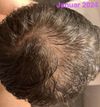
Hair loss concerns and treatments like Minoxidil and Finasteride are humorously discussed. The community's quirks and dedication to battling hair loss are highlighted.
A 22-year-old male has been using Minoxidil for 2.5 years and Finasteride for 8 months without significant improvement in hair loss. Despite adding supplements and other treatments, hair density remains low, and he seeks advice on further options.
The user is experiencing severe hair shedding despite using minoxidil, finasteride, ketoconazole shampoo, and dermarolling. They are considering changing treatments after stopping dermarolling and switching finasteride brands worsened the shedding.
The user has been using a regimen including finasteride, minoxidil, various oils, and supplements for hair regrowth over 9–10 months. They observed fine hairs returning and a change in scalp texture after adding cinnamon oil, questioning if this change is a positive sign.
The user has been using a hair regrowth regimen for 9-10 months, including topical finasteride and minoxidil, various oils, and supplements like multivitamins and omega-3. They observed fine hairs returning and a change in scalp texture after adding cinnamon oil, questioning if this indicates positive hair regrowth.
Finasteride can maintain hair for many years, but its effectiveness may decrease over time. Some switch to dutasteride or add minoxidil for better results, with side effects like libido changes and ED discussed.
The user is using a hair loss regimen involving 2ddr applied twice daily, tretinoin weekly, and occasionally micro-needling. They report feeling increased scalp thickness and seeing some hair growth progress.
The post discusses an individual's 11-month hair restoration journey using oral finasteride, topical minoxidil and finasteride, micro-needling, biotin tablets, and ketoconazole shampoo. Despite mixed reactions and skepticism from others, the individual expresses gratitude for support and claims progress in hair growth.
The user shared progress pictures showing significant hair regrowth after 8 months using finasteride and Minoxidil foam. They have not used microneedling and are considering oral Minoxidil but currently use topical Minoxidil and oral finasteride.
A 31-year-old man is experiencing hair loss, using minoxidil with mixed results, and has started finasteride. He is considering a hair transplant if these treatments are ineffective.
The user experienced significant hair regrowth using finasteride and minoxidil, leading to doubts about proceeding with a planned hair transplant. Many suggest postponing the transplant to save grafts for future needs, as the current results are impressive.
A 22-year-old male experiencing diffuse thinning and frizzy hair has been using finasteride for nine months and is seeking advice on improving hair quality. Suggestions include using conditioners, biotin, rosemary oil, and addressing scalp conditions like seborrheic dermatitis or psoriasis, while finasteride may help reverse miniaturization and improve hair health.
Oral minoxidil combined with finasteride can improve hair density, but long-term safety is uncertain due to potential side effects like heart and kidney issues. Users report mixed experiences, with some experiencing side effects and others finding it effective for hair maintenance.
The user switched from finasteride to dutasteride and from oral to topical minoxidil, noticing better hair regrowth with the new regimen. They experienced no side effects from dutasteride and found topical minoxidil more effective than oral.
The user has been using finasteride (1mg daily) and oral minoxidil (2.5mg) for 2.5 years to treat diffuse thinning hair, with no side effects reported. They are satisfied with the progress, noting that the treatment has slowed hair loss and costs about £30 a month.
People are discussing JXL-069 (PP405) for hair loss, with some experimenting with a 0.05% topical gel. Concerns about safety and efficacy persist due to limited testing and lack of official approval.
The user is experiencing increased hair shedding after 6 months of using Dutasteride and oral minoxidil, despite previous regrowth and satisfaction with the results. They are considering shaving their head again and discuss the effectiveness of their treatment routine, which includes Dutasteride, oral minoxidil, and Nizoral, while also addressing concerns about side effects like erectile dysfunction and body composition changes.
Exercise temporarily increases DHT levels, but this is unlikely to cause significant hair loss. Finasteride and minoxidil are effective treatments to manage hair loss.
A 30-year-old male successfully improved hair density over 7 years using finasteride, minoxidil, microneedling, and recently added dutasteride. He experienced no side effects and noticed significant regrowth, especially after adding minoxidil and microneedling.
A 23-year-old has been using finasteride 5mg daily since age 19 and added dutasteride 0.5mg twice a week to prevent hairline recession. They report no side effects and credit early treatment for maintaining their hair.
A 20-year-old is dealing with male pattern baldness and considering finasteride despite concerns about side effects. Users recommend treatments like minoxidil, dutasteride, and lifestyle changes, stressing early intervention.
The individual had a hair transplant in Turkey with 4052 grafts, resulting in significant hair growth and increased confidence. They use finasteride, rosemary oil, and vitamins, and are pleased with the natural-looking results, encouraging others to consider similar treatments.
The user has been using topical minoxidil, oral finasteride, and nizoral shampoo for almost three months, along with supplements like biotin and vitamin D3, and reports noticeable hair regrowth without side effects. They aim to have more hair for a wedding in June and are considering using hair fibers for temporary enhancement.
Spironolactone can remain effective for a long time in treating androgenetic alopecia, but it may not completely stop hair loss. Hair loss treatments like spironolactone, finasteride, and dutasteride slow down hair loss rather than cure it, and their effectiveness can vary based on individual response and the aggressiveness of the condition.
Finasteride significantly reduced hair shedding within a week for a diffuse thinner, who also uses topical minoxidil and plans to add ketoconazole shampoo and microneedling. The user is hopeful for hair regrowth and is tracking progress with photos.
The user experienced reduced hair fall with topical minoxidil and finasteride but no regrowth, and faced hormonal issues with oral finasteride. They are considering a hair transplant and exploring treatments like topical dutasteride, oral minoxidil, microneedling, and hair supplements.
The user experienced progress in hair recovery using oral finasteride and minoxidil, despite some side effects like increased heart rate. They switched from foam to oral treatments for convenience and reported minimal shedding.
A 33-year-old male shares his successful hair regrowth journey using oral finasteride (1.25 mg daily) for 22 months and topical minoxidil for 10 years, along with dermarolling. He reports significant hair regrowth, no side effects, and emphasizes the importance of consistency in his routine.
A 20-year-old male with diffuse androgenetic alopecia tried homeopathy for hair regrowth but saw limited results due to inconsistency and is considering switching to minoxidil and finasteride. Despite some baby hair growth, hair fall hasn't stopped, and he believes more time and consistency might be needed.