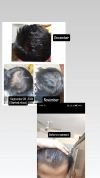
The user experienced significant hair improvement after 4 months of using 1.25mg finasteride daily and 5% Minoxidil foam. They reported no side effects and no noticeable shedding phase.
A 15-year-old experiencing severe diffuse thinning plans to use minoxidil, dermarolling, and possibly ketoconazole, with hopes to later incorporate finasteride. Concerns about starting finasteride too young and the need for a dermatologist consultation are discussed.
The user experienced significant hair regrowth using a treatment regimen including finasteride, oral and topical minoxidil, RU58841, red light therapy, microneedling, and various supplements. They switched from dutasteride to finasteride due to side effects and reported improved results and well-being.
The user has been experiencing aggressive hair loss despite using finasteride, minoxidil, dutasteride, ketoconazole, and derma rolling. Suggestions include continuing current treatments, considering RU58841, checking for deficiencies, and possibly trying collagen supplements or oral minoxidil.
A 16-year-old female experiencing severe hair loss and sebum buildup, likely due to telogen effluvium and PCOS, is currently using vitamin D3 supplements, Redenser serum, and T follihair supplements. Recommendations include addressing PCOS first and consulting a doctor.
The user experienced hair loss after initially seeing positive results from using dutasteride and oral minoxidil. They are concerned about the hair shedding and wonder if stopping a multivitamin contributed to the issue.
A user experiencing significant hair loss found they had a severe vitamin D deficiency and was prescribed 50,000IU vitamin D pills, likely to be taken weekly. They are questioning if the deficiency could be the cause of their hair loss and if correcting it could stop the shedding and improve hair recovery.
A 22-year-old male experiencing thinning hair seeks natural remedies, avoiding minoxidil and finasteride due to potential side effects. Suggestions include using rosemary oil with microneedling, vitamins, and considering minoxidil for regrowth, while others emphasize finasteride as the most effective option for maintaining hair.
A user shared their positive experience with a hair loss treatment regimen including Dutasteride, Minoxidil, RU58841, Nizoral, microneedling, and supplements, reporting no side effects and some hair regrowth. They encouraged others not to fear these treatments, as they are generally safe.
The individual is experiencing hair loss and has a vitamin D deficiency, with levels at 7.49ng/ml or 26nmol/l. They are unsure if the deficiency is causing the hair loss and are seeking advice on vitamin D supplementation.
Hair transplants can initially yield good results, but native hair is more reliable, and transplanted hair may still be lost over time. Early intervention with treatments like topical finasteride and minoxidil is recommended, but it's important to start with lower doses and manage expectations realistically.
Dutasteride and finasteride can affect libido differently, with some experiencing increased libido and others decreased libido or erectile dysfunction. Dutasteride may increase testosterone levels but can also cause side effects like liver enzyme changes, while topical finasteride may have fewer sexual side effects.
A 30-year-old male experienced hair shedding while using Minoxidil and Finasteride, with concerns about whether this is a normal shedding phase. Despite drastic hair loss, he continues the treatment, hoping for regrowth, and receives advice to maintain the regimen and consider lifestyle changes.
Finasteride, dutasteride, and minoxidil are discussed as treatments for male pattern baldness. Finasteride and dutasteride are effective DHT blockers, while minoxidil is necessary for regrowth but must be used consistently.
The user experienced significant hair regrowth using finasteride and minoxidil but developed erectile dysfunction. They are considering stopping finasteride and relying on minoxidil alone to see if the side effects improve.
The user is experiencing hair loss and confusion over conflicting medical advice, with treatments including minoxidil, finasteride, and topical corticosteroids. They are unsure about the necessity of a biopsy and the timing of using minoxidil, while also considering the impact of potential androgenetic alopecia and telogen effluvium.
A user shared their 10-month progress using 1mg finasteride daily and micro-needling, noting significant hair regrowth and no side effects. They plan to add oral minoxidil to boost hair density.
A user's experience with hair loss treatments, including Finasteride, Minoxidil, Nizoral Shampoo, Rosemary Oil, Vitamin D, Biotin, Vitamin C, Zinc and Dermarolling, that have not been successful over the past 14 months. Other users gave advice on how to cope with the issue, such as exercising, changing mindset, and shaving their head.
The positive effects of Finasteride, a hair loss treatment; and various other treatments such as Minoxidil and Nizoral that can be used to treat hair loss. Additionally, other methods are discussed, such as micro needling and taking spearmint supplements, which have been seen to help in some cases.
The user reported early stage diffuse hair thinning and increased DHT levels after 4 weeks on Finasteride and 8 weeks on Finasteride plus 4 weeks on Dutasteride, despite the medications being authentic and stored properly. They are considering increasing their Dutasteride dosage due to the lack of side effects and are unsure if the treatment is helping their hair.
A user experienced severe side effects from finasteride, including mental health issues and physical symptoms, and sought advice on managing post-finasteride syndrome. Suggestions included checking vitamin levels, considering dopamine agonists, and avoiding further psychiatric medications.
The user is experiencing some hair regrowth after six months on oral minoxidil (3mg), finasteride (1.2mg), and using 1% ketoconazole shampoo twice a week, with no side effects. They are advised to consult a doctor before adjusting doses and to consider blood tests for vitamin and mineral levels.
Finasteride is more effective for long-term hair maintenance by addressing the root cause of hair loss, while minoxidil acts as a growth stimulant with faster visible results. Combining both treatments is optimal, with oral minoxidil often showing better results for some individuals.
The user is experiencing negative side effects from a hair loss treatment containing finasteride and minoxidil due to high vitamin B6 content and plans to switch to separate pills without unnecessary vitamins. Another user suggests using a version without B6, noting similar symptoms from finasteride.
A 19-year-old experiencing hair loss despite using minoxidil and finasteride for three months, with no family history of baldness except for maternal grandfather. The user is advised to continue the treatment for Androgenic Alopecia and not rely on home remedies.
The user experienced significant hair regrowth using a combination of minoxidil, finasteride, various serums, and micro-needling, leading to increased confidence and consideration of a hair transplant. Despite initial baldness due to past health issues, the user is pleased with the progress and continues to use treatments like Pilgrim, Md Hair, Bodywise Roller, and Bouf serums.
The user has been experiencing hair thinning despite taking finasteride and minoxidil for six months. Bloodwork suggests a vitamin D deficiency, and users recommend consulting a doctor and possibly supplementing vitamin D.
The user experiences severe anxiety and physical symptoms after taking finasteride and is seeking alternative hair loss treatments since dutasteride is unavailable. They suspect an allergic reaction to finasteride and have stopped using it.
A 19-year-old experienced significant hair loss, improved with minoxidil, and is considering adding finasteride to his routine. He is concerned about future hair loss and potential side effects of finasteride.
The user is experiencing increased hair shedding, scalp sensitivity, and itching despite using finasteride for four months, and has tried various shampoos without relief. They are advised to consult a dermatologist for potential scarring alopecia and consider other treatments like adding Dutasteride.