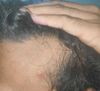
The user experienced hair regrowth after using rosemary oil daily, vitamin gummies, and getting plenty of sleep. The timeframe between the before and after pictures is one week.
People discussed using vitamin D supplements for hair loss, with some also using steroid injections, pumpkin seed oil, saw palmetto, and zinc. Despite supplementation, one user noted no improvement in hair condition, but acknowledged the general health benefits of addressing vitamin D deficiency.
A user experienced significant hair regrowth after 5 weeks by taking zinc, vitamin D, and biotin supplements, correcting deficiencies that were contributing to hair loss and thinning. They report a decrease in hair shedding, faster hair growth, and a thickening of their hairline without using common hair loss medications like Minoxidil or Finasteride.
The post and conversation are about a user's progress in treating hair loss using 1mg oral finasteride daily, 5% minoxidil twice a day, keto shampoo 2-3 times a week, weekly 1.5 mm needle, and vitamins for deficiencies in vitamin D, ferritin, and B12. The conclusion is that the user has experienced great results with finasteride in stopping shedding and now has minimal shedding when showering and combing hair.
Vitamin D deficiency can hinder hair recovery, and addressing it may help with hair loss. Hair loss may result from various issues like excess DHT, vitamindeficiency, or scalp inflammation.
A user found that vitamin D deficiency was causing their hair loss and saw improvement after taking D3 supplements. Others noted that while vitamin D can affect hair, male pattern baldness usually requires treatments like finasteride.
Hair loss due to vitamin B12 deficiency is discussed, with some users suggesting supplements and dietary changes, while others recommend medications like finasteride or dutasteride. The conversation highlights differing opinions on the cause of hair loss, with some attributing it to genetics or male pattern baldness.
Low Vitamin D can cause hair shedding, and taking 5000 IU of Vitamin D daily reduced shedding significantly. Vitamin D deficiency is common and correcting it can benefit overall health.
A user experiencing excessive hair shedding and a receding hairline is questioning if low vitamin D levels could be the cause, despite levels being within the normal range. Replies suggest that while vitamin D deficiency can cause hair loss, it might not be the issue in this case.
The individual is experiencing hair loss and has a vitamin D deficiency, with levels at 7.49ng/ml or 26nmol/l. They are unsure if the deficiency is causing the hair loss and are seeking advice on vitamin D supplementation.
The conversation is about hair loss and correcting vitamindeficiencies, specifically D3, B12, and folic acid. The user is considering if these deficiencies impact hair growth and mentions starting supplements.
Checking vitamin and hormone levels is important for addressing hair loss, as deficiencies in vitamin D, zinc, and iron can affect hair growth. Treatments like finasteride, minoxidil, and vitamin supplements are used, but addressing deficiencies is crucial for effectiveness.
Addressing hair loss by checking vitamin D and iron levels is crucial before adding more treatments. Supplementing these deficiencies can significantly reduce shedding.
The conversation discusses hair loss treatments, including oral finasteride, topical minoxidil, and microneedling, and the potential impact of Vitamin D and folic acid deficiencies on hair regrowth. It suggests that while male pattern baldness is the primary cause, addressing vitamindeficiencies may aid in improving regrowth.
The user experienced hair improvement using a topical finasteride, minoxidil, and tretinoin combo, along with supplements like zinc, copper, magnesium, vitamin D3, K2, iodine, and boron. They believe these changes are due to addressing mineral deficiencies and possibly thyroid issues, despite skepticism from others.
Dustaride doesn't require avoiding any vitamins, but checking vitamin D levels and supplementing if deficient is suggested. Hair vitamins are generally unnecessary unless there's a deficiency.
A user improved their hair health by taking 50,000 IU of vitamin D3 weekly due to a deficiency. Others discussed the potential link between vitamin D and hair growth, with some sharing similar experiences and emphasizing the importance of monitoring vitamin D levels and consulting with doctors.
A 26-year-old male with early hair thinning is using finasteride, topical minoxidil, and supplements for deficiencies in iron, B12, and vitamin D3. He is considering adding oral minoxidil to his treatment plan.
Iron and zinc vitamins helped improve hairline regrowth for someone with celiac disease. Nutrient deficiencies, like iron, can contribute to hair loss, especially around the temples.
Minoxidil regrowth may be slowed by low vitamin D and ferritin levels. The user is experiencing slow hair regrowth and is considering addressing these deficiencies.
Micronutrient testing and deficiencies related to hair loss, particularly androgenetic alopecia (AGA). Discussion includes the impact of iron, selenium, zinc, copper, folate, B12, vitamin E, vitamin D, amino acids, and fatty acids, alongside treatments like dutasteride or finasteride.
The conversation discusses the impact of vitamins, stress reduction, and appropriate shampoo on hair health, with the original poster noting slight improvements after two months of using vitamins B5, B6, zinc, and a suitable shampoo. Many users express skepticism about the effectiveness of vitamins for hair loss unless there is a deficiency, emphasizing the importance of addressing DHT and considering 5AR inhibitors.
The conversation is about a 19-year-old female experiencing hair loss, potentially due to deficiencies in iron, ferritin, and vitamin D. She is considering iron and vitamin D supplementation and exploring dietary changes, while also planning to consult a dermatologist when possible.
Hair thinning possibly due to rapid weight loss and dietary changes, with no nutrient deficiencies found. The user is taking vitamins and considering seeing a hair specialist to promote regrowth.
Hair loss is likely due to male pattern baldness, not vitamin D deficiency. Taking 60k vitamin D tablets weekly is not recommended; 2k per day is sufficient.
The conversation is about hair loss treatments, specifically using dutasteride and oral minoxidil, and exploring additional vitamins and supplements like vitamin D, zinc, biotin, and omega-3 to support hair health. Users suggest getting a blood panel to identify deficiencies and emphasize the importance of protein and overall nutrition.
The user is experiencing hair loss and is using Minoxidil once a day. They suspect Vitamin D deficiency and Seborrheic Dermatitis might be contributing factors.
A 22-year-old male experienced hair thinning and found minoxidil ineffective, with blood tests showing deficiencies in zinc, vitamin B12, vitamin D3, and possible hypothyroidism. Another user suggested adding topical finasteride to the regimen, which helped them regrow hair effectively without side effects.
An 18-year-old with diffuse hair thinning is considering switching from a topical Minoxidil 10% + Finasteride 0.1% solution to Minoxidil 5% foam and oral Finasteride 0.5mg, while also addressing vitamin D deficiency and potential scalp inflammation. Users suggest using Nizoral shampoo for inflammation, considering dutasteride for better results, and maintaining vitamin D levels to protect hair follicles from DHT.