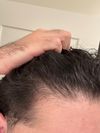
A user is experiencing hair regrowth after treating vitamin D, B12, and B9 deficiencies, noticing some improvement after 9 months. They are unsure if further improvement will occur or if they have reached the end of progress, with a possibility of androgenetic alopecia (AGA) being suggested.
A user reported hair regrowth after taking D3 vitamin pills and using anti-hair fall shampoo for four months. They were later advised to use 10% minoxidil, a hair spray, and a general vitamin pill containing iron, B9, and B12.
The conversation discusses hair loss treatments, including oral finasteride, topical minoxidil, and microneedling, and the potential impact of Vitamin D and folic acid deficiencies on hair regrowth. It suggests that while male pattern baldness is the primary cause, addressing vitamin deficiencies may aid in improving regrowth.
The conversation discusses potential vitamin deficiencies leading to hair loss, with a focus on Vitamin D and iron. Some individuals are using finasteride and minoxidil for hair loss, while others consider vitamin supplementation due to deficiencies.
Checking vitamin and hormone levels is important for addressing hair loss, as deficiencies in vitamin D, zinc, and iron can affect hair growth. Treatments like finasteride, minoxidil, and vitamin supplements are used, but addressing deficiencies is crucial for effectiveness.
A 24-year-old male has been using 0.1% finasteride and 5% minoxidil daily for four months, added dermarolling and topical dutasteride, and sees hair regrowth, improving from a Norwood scale 4a to 3a. He wants to optimize his hair loss treatment routine.
A 23-year-old male experienced sudden hair loss over six months, losing about 30% of his hair. Treatments include 10% minoxidil, a hair spray, and a vitamin pill; opinions on the cause vary between normal hair loss due to deficiencies and male pattern baldness.
The user noticed increased hair loss over the past three years and is seeking advice. A suggestion was made to consult a dermatologist or trichologist and consider blood tests, particularly for vitamin D levels, to address potential androgenetic alopecia (AGA).
A 25-year-old male experienced significant hair loss due to telogen effluvium and androgenetic alopecia. He began using finasteride, minoxidil, and vitamins, seeing some regrowth but remains worried about hair density.
A 20-year-old shared their experience of reversing hair loss without using minoxidil or finasteride, instead relying on supplements like biotin, collagen, fish oil, saw palmetto, and various vitamins. They emphasized the importance of a balanced supplement schedule and noted improvements in hair health without experiencing additional shedding.
A 27-year-old male with ADHD is experiencing hair thinning and is starting a treatment with topical finasteride (0.025%) and minoxidil (5%). He is addressing high prolactin levels and low vitamin D, while managing side effects from ADHD medication.
A 17-year-old is considering finasteride for hair loss but is advised to wait due to potential hormonal effects at a young age. Alternatives like minoxidil, micro-needling, vitamins, and lifestyle changes are suggested instead.
The conversation discusses hair loss treatments, specifically using topical finasteride and minoxidil combined with microneedling, along with supplements like collagen, vitamin C/D, and saw palmetto. The user also mentions using a DHT-blocking shampoo and experimenting with cold showers and contrast therapy for hair health.
The user is experiencing hair loss despite using 1 mg finasteride, 2.5 mg minoxidil, a multivitamin, and a topical finasteride-minoxidil solution. Suggestions include increasing minoxidil dosage, addressing vitamin deficiencies, especially Vitamin D, and considering lifestyle changes like diet and exercise.
A user's experience with hair loss treatments, including Finasteride, Minoxidil, Nizoral Shampoo, Rosemary Oil, Vitamin D, Biotin, Vitamin C, Zinc and Dermarolling, that have not been successful over the past 14 months. Other users gave advice on how to cope with the issue, such as exercising, changing mindset, and shaving their head.
A user's progress in treating their hair loss using Minoxidil, Finasteride, ketoconazole shampoo, microneedling, omega 3, D3 and Forcapil vitamins over the course of three months. Other users offered support and advice to the original poster.
A 20-year-old woman with androgenetic alopecia feels depressed about her hair loss, despite using topical minoxidil, spironolactone, and saw palmetto. Suggestions include trying oral minoxidil, higher doses of finasteride or dutasteride, and checking for vitamin deficiencies and heavy metal exposure.
Iron supplements can help improve hair thinning and brittle skin, but recovery time varies based on individual factors like ferritin levels and absorption rates. Regular blood tests are recommended to monitor ferritin and iron levels.
Biotin may strengthen existing hair and reduce hair loss, but it doesn't promote new hair growth. Some users report stronger, darker hair, while others see no benefits or experience acne.
A 17-year-old is considering finasteride for a receding hairline and seeks advice. Suggestions include starting with low-dose finasteride, trying dermarolling and Minoxidil, and consulting a physician.
A 24-year-old woman experiencing hair loss due to low ferritin and iron deficiency is advised to correct these deficiencies before considering minoxidil. Minoxidil is not recommended for temporary hair loss caused by iron deficiency.
A user with PCOS experienced hair loss and found success using a triple dose of O.N.E Omega by Pure Encapsulations after discovering low Omega fatty acids. Biotin provided minimal improvement, but the Omega supplement significantly restored hair.
A 24-year-old person who is worried about their hair loss after 14 months of taking finasteride and 11 months of minoxidil. Replies to the post suggested sticking with their current regimen, that shedding from one part may not be telogen effluvium, and that shedding is normal with these drugs and they should evaluate in two to three months.
The user discusses their experience with diffuse unpatterned alopecia and acquired progressive hair kinkering, noting improvements with treatments including biotin, pantothenic acid, finasteride, ketoconazole, and zinc pyrithione shampoo. They report thicker, healthier hair and improved scalp condition, attributing success mainly to biotin, pantothenic acid, and finasteride.
The user has been using a combination of finasteride and minoxidil for 5 months and is considering adding dutasteride due to slow progress. They plan to alternate between oral finasteride and dutasteride to save costs and are advised to continue the treatment for more time, possibly adding tretinoin, while considering a hair transplant if results remain unsatisfactory.
The user reported positive hair regrowth after 5 months using Minoxidil, red light therapy, and lifestyle changes, including dietary improvements and stress reduction. They chose natural supplements like saw palmetto and beta-sitosterol over pharmaceutical DHT inhibitors like finasteride.
A 20-year-old is experiencing hair thinning and seeks advice on starting treatment and regrowing hair. They are considering using Minoxidil, finasteride, or RU58841.
A user shared a 6-month progress picture showing improvement in hair loss using biotin and minoxidil. They also mentioned dealing with stress, diet issues, and seborrheic dermatitis.
The treatment for androgenetic alopecia involves using finasteride and minoxidil with intense exercise and cold exposure to boost metabolism and reduce androgenic effects, potentially leading to hair regrowth. This approach may activate biological pathways for improved hair and overall health.