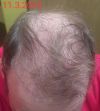
The user experienced hair regrowth with dutasteride but later lost progress despite using minoxidil foam and dermastamping. Suggestions included reducing dermastamping frequency, conducting blood tests, and considering oral minoxidil or different brands of dutasteride.
The conversation is about using finasteride and testosterone replacement therapy (TRT) for hair loss and their role in gender-affirming care. It debates whether these treatments are considered hormone replacement therapy (HRT) and their implications for both cisgender and transgender individuals.
The conversation discusses a user's positive experience with a hair loss treatment routine involving dutasteride, oral minoxidil, and Nourkrin Man, with no side effects reported. Other users share their experiences with similar treatments, discussing side effects like heart palpitations and depression, and offer advice on obtaining prescriptions affordably.
Hair loss treatments include using finasteride, dutasteride, and RU58841. Lifestyle changes like increasing carb intake and moderate alcohol consumption are suggested to boost estrogen levels.
The user replaced finasteride with saw palmetto due to availability issues and experienced side effects, leading to adjustments in their regimen. They use saw palmetto, minoxidil, Nizoral, and a dermaroller, reporting reduced side effects and some benefits, with hair fall ranging from 5 to 20 hairs daily.
Use finasteride or dutasteride with minoxidil for at least a year to improve hair density before considering a hair transplant. A transplant might be needed if medications don't provide sufficient regrowth.
A user shared their successful hair regrowth journey using 0.5 mg Dutasteride, 2.5 mg oral Minoxidil, and Biotin gummies, after switching from Finasteride due to insomnia. They highlighted the importance of brushing the scalp for blood flow and reported significant progress in four months without side effects.
Concerns about hair loss treatments, specifically finasteride and minoxidil, and doubts about a bald dermatologist prescribing them. Users recommend finding a dermatologist who prescribes effective treatments or exploring online options for finasteride.
The user shared their experience with Finasteride and Dutasteride for hair loss. They initially had success with Finasteride but switched to Dutasteride after experiencing shedding, which continued, and are now considering a hair transplant.
For hair loss, start with Finasteride, Minoxidil, Ketoconazole shampoo, and Microneedling. For severe cases, consider Dutasteride, oral Minoxidil, or hair transplants.
A user shared impressive hair regrowth results after using 1mg finasteride daily for over a year, with minimal side effects. The user also mentioned taking biotin gummies and experiencing periods of shedding followed by thicker hair growth.
A 23-year-old shared his hair regrowth progress after using Minoxidil, finasteride, Dutasteride, and RU58841 for over a year. The post received supportive comments, with others sharing their own experiences and complimenting his transformation.
A 25-year-old man discusses his struggles with his mother's opposition to his use of Finasteride for hair loss treatment, despite it improving his condition and self-control after a hair transplant. He expresses frustration over her blaming the medication for various issues and the stress caused by her insistence to stop taking it.
A 23-year-old started taking 0.25 mg of Finasteride daily for hair loss after trying Minoxidil and derma rolling without success. People shared varied experiences with Finasteride, discussing potential side effects, effectiveness, and personal decisions regarding hair loss treatment.
Bryan Johnson uses a custom hair loss treatment that includes topical finasteride, minoxidil, azelaic acid, diclofenac, tea tree oil, rosemary oil, ginkgo biloba, biotin, and melatonin, which have shown varying degrees of effectiveness with minimal side effects. He also undergoes PRP and laser therapy, and has tried dutasteride mesotherapy.
The user reports significant hair regrowth after three months using finasteride, biotin pills, a derma roller with rosemary/jojoba oil, and drinking coffee, despite an initial increase in hair shedding. Other users share varied results with similar treatments, with some not experiencing improvements.
The user tried dutasteride for hair loss for 2.5 years but experienced drastic thinning and receding hairline. They decided to switch back to finasteride, along with minoxidil, LLLT, and ketoconazole, due to dissatisfaction with dutasteride's results and side effects.
The post discusses a user's experience with hair loss treatments, specifically topical finasteride, minoxidil, and micro-needling, and their plan to switch to oral versions and add Dutasteride. The conversation includes various responses, with some users sharing their own experiences and side effects, and others expressing desire for a more permanent hair loss solution.
The post discusses the theory that persistent dandruff in areas prone to hair loss could be a sign of hair follicles dying due to DHT, indicating balding. The responses vary, with some users noting improvements in dandruff and hair loss with treatments like Dutasteride, while others experienced hair loss without dandruff.
The conclusion of the conversation is that the user has tried various medications and treatments for hair loss, including minoxidil, finasteride, microneedling, and nizoral shampoo, but has not seen any progress. They have decided to shave their head. Other users suggest options such as hair transplants, RU58841, hair units, and scalp micropigmentation.
Finasteride, a medication for hair loss that has both positive and negative effects. Users discussed their own personal experiences with the drug as well as potential side-effects of taking it, such as erectile dysfunction or gynecomastia. Suggestions were also made about starting at a lower dosage to minimize these risks.
A user experienced a burning, itchy scalp and hair thinning despite trying finasteride, steroid cream, antihistamines, various shampoos, and supplements. They seek advice on relieving the itch, hoping it will improve hair health.
Hair loss and the importance of not letting it affect one's self-worth. The conversation includes advice on treatments such as taking medication, like Minoxidil and Finasteride, and other methods to manage hairloss, such as buzzing your head or seeking professional help.
A user who has been taking finasteride, minoxidil, and microneedling for one year with no results, and the replies discuss other treatments, including dutasteride, which is feared due to potential side effects.
Microneedling for hair restoration involves daily use of a 0.3 mm device and weekly use of a 0.5 mm device. Combining microneedling with Minoxidil can enhance hair growth.
A user's progress with treatments for hair loss, including Dutasteride, Finasteride, Minoxidil, and RU. Other members of the conversation provided tips such as using Microneedling and Tretinoin to increase regrowth and wounding areas of the scalp that are thinning in order to fill them in.
Experimenting with the effects of creatine and finasteride on DHT levels, as well as a discussion regarding the potential link between creatine supplementation and hair loss.
Hair loss theory involves 3alpha-hydroxysteroid reductase (3AHD) converting DHT to androstenol. Discussion explores potential treatments and encourages more research.