Grapefruit juice doesn't significantly affect finasteride or dutasteride. Drinking topical minoxidil is risky; saw palmetto is less effective than finasteride or dutasteride for hair loss.
Improving diet and taking supplements like Biotin, B12, D3, iron, zinc, and protein can enhance the effectiveness of hair treatments. However, responses to treatments like Minoxidil and finasteride vary, and some users report no improvement despite a good diet.
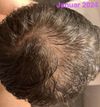
A 23-year-old male shared his 4-month progress using 1mg finasteride daily, along with B-12 and D3+K2 supplements, to address hair loss. He sought feedback on using generic finasteride and shared his journey to regain confidence.
The conversation discusses the idea of creating finasteride gummies for hair loss treatment, with some users expressing skepticism about their effectiveness compared to pills. Concerns include the potential for reduced drug delivery in gummy form and the risk of children mistaking them for candy.
The post and conversation are about a user's positive progress with hair loss using minoxidil and finasteride. No noticeable side effects were reported.
Zinc supplements can make existing hair thicker and fuller but do not cure or slow hair loss. Long-term zinc use requires copper supplementation to avoid deficiencies.
The conversation discusses using natural DHT blockers like saw palmetto, beta sitosterol, pumpkin seed oil, pygeum africanum bark, and nettle root as alternatives to finasteride for hair loss, with mixed opinions on their effectiveness. Some users report minimal improvement with natural options and better results with finasteride or dutasteride, despite concerns about potential side effects.
The user reported using Morr-F (topical finasteride and minoxidil), microneedling, castor and coconut oil, rosemary oil, and various supplements. They observed some hair regrowth, particularly fine hair on the crown and hairline, after four months of needling and three weeks of Morr-F.
Various treatments for male pattern baldness including Minoxidil, Finasteride/Dutasteride, hair systems, and oral anti-androgens such as Spironolactone and Flutamide. It also mentions dermarolling as a possible treatment in conjunction with minoxidil.
Taking 1000mg l-arginine alongside 0.5 mg finasteride every other day helped alleviate erectile dysfunction and possibly increased libido. The user recommends trying l-arginine for those experiencing sexual side effects from finasteride.
A user experimenting with quitting using Minoxidil and replacing it with Finasteride and Stemoxydine in order to keep hair loss gains, but other users warning the original poster of potential shedding. Another user suggested phasing out Minoxidil and replacing it with Finasteride and microneedling instead.
A 19-year-old is using 5% topical minoxidil, 1.25 mg finasteride, ketoconazole, and a dermaroller for hair regrowth, noticing improvement in the frontal area. Another user suggests adding oral minoxidil and maintaining a consistent routine, emphasizing the importance of stress management and a healthy diet for better results.
Combining Finasteride with topical Quercetin, Onion/Garlic juice and Peppermint Oil to reduce Wet Prostate Weight in Rats. Luke10191 asked the user LITUATUI to update them on progress after trying this combination of treatments for hair loss.
The user plans to enhance their hair loss treatment with oral minoxidil, finasteride tablets, laser cap therapy, and various supplements. They are also considering a hair transplant and exploring reputable sources for these products.
A user is seeking advice on enhancing their hair loss treatment regimen, which currently includes finasteride, minoxidil, saw palmetto, and Nizoral shampoo, with plans to add oral minoxidil, a laser cap, and various supplements. They are considering purchasing additional treatments like topical finasteride, melatonin, Eucapil, and Stemoxydine from Indian and international sources.
Finasteride and Dutasteride are used to block DHT and treat hair loss, but some people don't respond to these treatments. Alternatives include increasing Dutasteride dosage, adding topical finasteride, or exploring other treatments like RU58841, though results vary.
Switching from finasteride to dutasteride can cause initial shedding, but many see long-term hair regrowth and stabilization. Responses vary, with some experiencing fewer side effects and others finding it less effective.
Users discuss alternatives to DHT blockers for hair loss, suggesting minoxidil, microneedling, natural DHT blockers, and scalp massages. Some explore RU58841, ketoconazole, hair transplants, and hair systems due to side effects from finasteride and dutasteride.
Dutasteride is often more effective than finasteride for hair regrowth, though it may cause initial shedding. Many users see positive results after several months, with some combining it with minoxidil for better outcomes.
Dutasteride is often blamed for worsening hair loss, but initial shedding may lead to improvement, requiring patience. Some users find success with dutasteride, finasteride, and minoxidil, while others experience side effects or no improvement.
A 17-year-old is experiencing early hair thinning and is considering oral minoxidil while being cautious about finasteride due to side effects. They seek advice on hair maintenance and plan to consult a doctor before using DHT blockers.
The user has used oral Dutasteride and Minoxidil for two years without regrowth, despite trying Finasteride and supplements. They consider increasing Minoxidil, adding microneedling, and switching medications, while others suggest RU58841, a hair transplant, or checking for other hair loss causes.
The conversation is about using finasteride and testosterone replacement therapy (TRT) for hair loss and their role in gender-affirming care. It debates whether these treatments are considered hormone replacement therapy (HRT) and their implications for both cisgender and transgender individuals.
A 22-year-old male has been using Minoxidil for 2.5 years and Finasteride for 8 months without significant improvement in hair loss. Despite adding supplements and other treatments, hair density remains low, and he seeks advice on further options.
The user experienced significant hair loss after initially successful treatment with minoxidil and finasteride, leading to a second shedding phase. They are considering switching to oral minoxidil for convenience and are advised to continue treatment despite the shedding, as regrowth is expected.
Dutasteride and finasteride are used for hair loss, affecting hormone levels like DHT and testosterone. Hormone balance is crucial, as changes can lead to side effects such as increased estradiol and potential hair loss.
A hair loss treatment plan includes finasteride, dutasteride, RU58841, pyrilutamide, minoxidil, and microneedling to inhibit DHT and promote hair growth. It also recommends supplements like Reishi and Lion’s Mane mushrooms, and a shampoo with ketoconazole, caffeine, and melatonin.
A user shared a 6-month progress picture showing improvement in hair loss using biotin and minoxidil. They also mentioned dealing with stress, diet issues, and seborrheic dermatitis.
After six months on Dutasteride, the user's hair is worse than before, despite previously trying finasteride and RU/Fluridil without success. Some suggest continuing Dutasteride and adding progress photos, while others share their positive experiences or advise sticking to one treatment for at least a year.