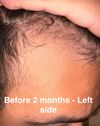
A 17-year-old experiencing aggressive hair loss since December 2023 is using finasteride, vitaminD, and a biotin supplement but cannot use minoxidil due to dandruff. They have also undergone two PRP treatments and are seeking further advice.
A user who has been using finasteride and minoxidil for 4-5 months with 5000 IU of vitaminD daily to treat their hair loss, resulting in impressive progress. Other users have given advice about adding Vitamin K2 to the regimen.
A user is trying to reverse male pattern baldness (MPB) naturally by taking high doses of VitaminD, improving diet, exercising, reducing stress, and other lifestyle changes, but plans to use finasteride if no results are seen in 60 days. Other users are skeptical, advising medical treatments like finasteride and warning against potential vitaminD overdose and the ineffectiveness of natural remedies for genetic hair loss.
User shared 3-month progress using big 4 hair loss treatments: finasteride, ketoconazole shampoo, minoxidil, and microneedling. Others congratulated progress and discussed vitaminD and biotin's role in hair regrowth.
A user was diagnosed with male pattern baldness and prescribed biotin, vitaminD, a hair serum, fluocinolone shampoo, and a gel with minoxidil and finasteride. Other users suggest focusing on oral finasteride and minoxidil, questioning the necessity of the other treatments.
Taking curcumin, omega-3 fish oil, vitaminD, and theaflavin supplements significantly reduced hair fall. The user suggests others try these supplements and report their results.
After 1.5 years on finasteride and dutasteride with continued hair loss, the user noticed a significant reduction in hair shedding, attributing it to the consistent use of finasteride, along with a no-shampoo approach, multivitamins, vitaminD, and restarting minoxidil. Other users shared their happiness for the improvement and noted that hair loss can fluctuate naturally over time.
Hair loss can be influenced by nutritional deficiencies, particularly low VitaminD and fatty liver, and improving nutrition and lifestyle can strengthen hair. Treatments suggested include regular exercise, a balanced diet, vitamin supplements, and coconut oil massages, while acknowledging that hereditary factors may also play a role.
The user noticed hair thinning since age 15, initially attributed to a VitaminD deficiency. They are currently using Rogaine and considering Propecia but are hesitant about a scalp biopsy; they seek financially practical treatments for male-pattern baldness.
A 24-year-old male started using finasteride and minoxidil for hair loss, noticing reduced hair fall but continued temple and frontal recession. He uses both oral and topical minoxidil, biotin, vitaminD, and coal tar shampoo, and experiences rare heart palpitations.
The user has been using dutasteride, oral minoxidil, and vitaminD for 8 months with no improvement in hair loss. They are considering trying RU58841 or a hair transplant due to the ineffectiveness of current treatments.
The user is seeking advice on hair regrowth, using vitamins, rosemary oil, Nioxin, and vitaminD. Recommendations include oral minoxidil and avoiding finasteride due to being female.
The user is taking generic oral dutasteride, oral minoxidil, vitaminD, and uses daily shampoo, along with a healthy diet and regular gym exercise for hair loss. Workmates noticed improvement in the user's hair condition.
The user is using Minoxidil, Finasteride, a dermaroller, vitaminD, and anti-hair loss shampoo for hair loss treatment. They are seeking feedback on whether there is improvement after two months and if noticeable results can be expected within six months.
The user has been using finasteride (1.25mg) for 21 months and oral minoxidil (2.5mg) for 7 months with no noticeable improvement, seeking others' experiences on timelines for results. Suggestions include microneedling and vitaminD supplements, with the expectation that modest results or maintenance are common.
The user experienced a sudden and severe hair loss after 1.5 years of successful treatment with finasteride and minoxidil. They plan to check their thyroid and vitaminD levels as potential causes.
Low iron and ferritin levels can contribute to hair shedding, and low ferritin can reduce the effectiveness of finasteride. Supplementing iron and vitaminD can help improve hair growth and overall health.
The conversation is about OP's hair regrowth progress using dutasteride, 5% minoxidil, dermarolling, ketoconazole, adapalene, and vitaminD. Some users doubt the progress, attributing it to longer hair and lighting, while others congratulate OP on the visible improvement.
A user is concerned about worsening hair loss despite using oral finasteride, oral and topical minoxidil, microneedling, keto shampoo, and vitaminD for almost a year. Suggestions include switching to dutasteride, continuing minoxidil, and considering different styling or haircuts.
A new light therapy claims to reduce hair loss markers by 92% using a specific wavelength range. Users discuss the cost and effectiveness of devices, with some expressing skepticism and others considering alternative treatments like red light therapy and vitaminD exposure.
A 36-year-old started using finasteride (0.3-0.5mg daily), 5% minoxidil foam, and weekly dermarolling/dermapen treatments to address hair loss. They also began taking supplements for low ferritin and vitaminD, hoping to improve hair thickness and cover a bald spot.
The conversation discusses reducing hair fall by addressing dandruff with anti-dandruff shampoo, regular oiling, and stress management through meditation and yoga. Other users mention using ketoconazole, vitaminD, and finasteride, with some experiencing side effects.
The user shared their 3-year hair loss treatment progress using dutasteride, minoxidil, PRP, micro-needling, and vitaminD supplements, noting improvements and no side effects. They also discussed transitioning from finasteride to dutasteride and increasing minoxidil dosage, while considering the effectiveness of PRP and micro-needling with long hair.
The user is happy with their hair regrowth progress using 1mg Finasteride daily and 5% Minoxidil foam twice a day, with added vitaminD to combat potential side effects. They report no significant side effects and wish they had started the treatment earlier.
A 22-year-old male has been using finasteride for 5.5 months to address hair loss, experiencing diffuse density loss but no hair fall. He corrected a vitaminD deficiency and noticed new hair growth, seeking advice on whether thinning stabilizes after 3-6 months or if switching to dutasteride is advisable.
A 22-year-old male experiencing diffuse hair thinning has been using finasteride, initially at 0.5mg and then 1mg daily, but sees no improvement. Despite correcting a vitaminD deficiency and noticing some new hair growth, he questions the effectiveness of finasteride.
The user has been using a hair loss treatment protocol including topical dutasteride, minoxidil with tretinoin, ketoconazole shampoo, microneedling, a laser cap, and vitaminD for 15 weeks, showing impressive progress. Feedback suggests continuing medical therapy for 12-24 months before considering a hair transplant.
A 27-year-old male has been using 1.25mg finasteride for 5 months and 5% minoxidil twice daily for 2 months, along with biotin and vitaminD supplements, to improve hair growth. He reports some progress and side effects like reduced libido, and is considering switching to oral minoxidil and possibly adding dutasteride after a year.
The user experienced significant hair regrowth using topical finasteride and minoxidil but faced a prolonged shedding phase, leading them to increase the finasteride dose and add oral dutasteride. Despite concerns about shedding, they remain hopeful for regrowth and are supplementing with VitaminD.