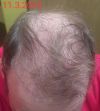
Experimenting with the effects of creatine and finasteride on DHT levels, as well as a discussion regarding the potential link between creatine supplementation and hair loss.
There is no natural way to stop hair loss; pharmaceuticals like minoxidil, finasteride, and RU58841 are the only effective treatments. Some users report success with minoxidil and microneedling, while others discuss the side effects of finasteride.
Triple Hair's TH-16, a product claimed to be more effective than Minoxidil 5%, has been released; it contains melatonin and resveratrol. One user reported success with topical melatonin and dermarolling.
3 months of progress with Finasteride and Minoxidil treatment for hair loss, as well as Nutrafol vitamins and low-level light therapy. The user experienced no problems and had a satisfied girlfriend to boot!
A 17-year-old experiencing early hair loss is advised to improve diet and lose weight gradually, as rapid weight loss and poor diet may contribute to hair loss. Minoxidil is not an option due to tachycardia, and finasteride is not recommended before age 18; alternatives like magnesium oil and dermarolling are suggested.
A 21 year old who has been taking various treatments for hair loss such as dutasteride, RU58841, minoxidil and finasteride with no results. Other users share their experiences of dealing with hair loss at an early age and offer advice on how to cope.
A user named "EgyptStar81" who has been dealing with hair loss since age 15 due to genetics, chemotherapy and finasteride/minoxidil treatment. Possible solutions such as dutasteride, oral minoxidil, hair transplants and extensions were suggested.
A user shared their experience with finasteride for hair regrowth, which was effective but caused side effects like gynecomastia and mood swings. They now manage side effects with Arimidex and vitamins while continuing finasteride, and monitor their health with blood tests.
Finasteride significantly improved hair density and confidence, with noticeable results after 8-9 months and no major side effects reported. The user chose finasteride over a finasteride and minoxidil combination due to ease and effectiveness, and plans to continue using it to maintain results.
A user is experiencing hair regrowth after using oral finasteride, topical minoxidil, biotin, multivitamins, vitaminD, and dutasteride. They also use ketoconazole shampoo and Revita density shampoo to manage flakes and improve hair thickness.
A user's journey to treat hair loss with a combination of oral medication, topical treatments, microneedling and different shampoos and supplements. It includes warnings about an OGX biotin shampoo potentially causing further hair loss.
The user has been using oral finasteride and minoxidil with vitamins for 5 months and seen improvements. They are asking if adding topical minoxidil would be beneficial or if they should continue with the oral treatment alone.
A user is asking about the effectiveness and dosage of RU58841 for hair loss, comparing it to Minoxidil and discussing its long-term use alongside Finasteride. They plan to use RU58841 and Finasteride for several years before potentially switching to GT20029.
User "Number_Worried00" is using a treatment stack for hair loss, including Minoxidil, Finasteride, Dutasteride, Estradiol, Cetirizine, and Pyrilutamide. Another user suggests that if the cause is vitamindeficiency or inflammation, the stack may not be effective.
The user resumed taking 5mg oral minoxidil and 0.5mg dutasteride daily, with vitamins, and noticed hair regrowth. They switched from finasteride to dutasteride due to side effects and prefer oral minoxidil over topical for convenience and effectiveness.
Ketoconazole 2% shampoo effectively regrew hair by treating scalp dermatitis and inflammation. The user also used jojoba and oat oil, Aveeno moisturizer, and hyaluronic acid for scalp care.
The user is using finasteride 1mg every other day and seeks a topical solution excluding minoxidil. They are considering various combinations of ingredients like finasteride, dutasteride, and tofacitinib, with options for nourishing oils and other additives.
The user is using finasteride 1mg every other day and seeks a topical solution to complement it, excluding minoxidil. They are considering various combinations of ingredients like finasteride, dutasteride, and tofacitinib, with options for nourishing oils and other additives.
The user seeks advice on making hair look healthier, mentioning past use of finasteride after a hair transplant. They request recommendations for nourishing shampoo/conditioner, hair growth vitamins, a good hair oil, and a natural method to cover greys.
Minoxidil and finasteride are the primary treatments for hair regrowth, but they must be used continuously to maintain results. Alternatives like dermarolling and lifestyle changes are suggested, but their effectiveness varies.
The user has been using topical finasteride 0.1%, minoxidil 5%, red light therapy, a multi-peptide serum, and a weekly oil hair mask with various oils for hair loss treatment. They also use ketoconazole shampoo, condition their hair, and microneedle with a dermapen.
A user shared their hair loss treatment routine, which includes oral and topical Minoxidil, dermarolling, Keto shampoo, multivitamins, Biotin, oils, protein intake, and water. Another user suggested adding finasteride and continuing the routine for 6-12 months.
The user is experiencing thinning at the temporal points and has been using minoxidil, dermarolling, and a mixture of natural oils to improve hair growth. They are considering finasteride as a potential treatment based on shared information.
A person is microdosing estrogen for hair loss after finasteride and dutasteride failed, risking feminizing effects. Alternatives like minoxidil, RU58841, or hair transplants are suggested.
A user started taking 0.625mg oral minoxidil daily for hair loss, increased the dose to 1.25mg, and experienced a significant shed, losing 70% of scalp density. They cannot tolerate finasteride due to side effects but are hopeful for hair regrowth despite the shedding.
Some people may not respond to topical minoxidil due to low SULT1A1 enzyme activity, but oral minoxidil can be effective. Tretinoin may enhance minoxidil's effectiveness, and some users prefer oral minoxidil despite side effects.
The user replaced finasteride with saw palmetto due to availability issues and experienced side effects, leading to adjustments in their regimen. They use saw palmetto, minoxidil, Nizoral, and a dermaroller, reporting reduced side effects and some benefits, with hair fall ranging from 5 to 20 hairs daily.
Many younger men are experiencing hair loss due to genetics, diet, stress, and lifestyle changes. Treatments like finasteride and minoxidil are mentioned, with some users noting improvements.
A user encouraged others experiencing hair loss to try shaving their heads, sharing their own positive experience despite briefly using finasteride and natural methods. Responses were mixed, with some supporting the decision and others suggesting treatments like minoxidil and finasteride, while many commented on the appearance changes.