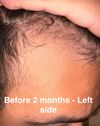
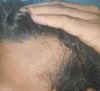
A user shared their 3-month progress using finasteride, minoxidil, ketoconazole, dermaroller, coconut oil, and rosemary oil for hair loss. They reported improvements in their hairline and crown.
A 47-year-old male experienced significant hair loss after losing 37 kg in 6 months on a low-carb diet and started taking biotin, zinc, iron, selenium, and spectral dcn-n. Replies suggest that while carbs are not directly needed for hair growth, they help regulate hormones and nutrient absorption, and rapid weight loss can also contribute to hair loss.
User experienced significant hair regrowth using minoxidil and dutasteride, along with microneedling, vitamins, and massages. Despite recent shedding, they hope it's a synchronized hair cycle and plan to continue the treatment.
A user shared their successful hair regrowth experience after using minoxidil and dutasteride for four months, overcoming severe hair loss due to genetics. They also used vitamins, shampoo, a dermaroller, and a scalp massager, and saw significant improvement, gaining back their hair and confidence.
A 27-year-old male started using topical finasteride (0.25%) and minoxidil (5%) once daily, along with supplements like zinc, magnesium, biotin, and vitamins C and D. After initial concerns about side effects, he experienced temporary ED and shedding but now feels better and has no regrets about starting the treatment.
A user shared their 3-month hair regrowth progress using a routine that includes natural oils, specialized shampoos and conditioners, derma stamping, scalp oil, and vitamins. They apply a mixture of oils twice a week, use hair care products, derma stamp, and take vitamins daily.
A 17-year-old experiencing hair loss due to hard water was advised by a dermatologist to use a treatment containing Minoxidil and vitamins. A respondent confirmed the treatment's safety but warned that discontinuing Minoxidil could worsen hair loss.
User discusses hair loss plateau from December to March, using 0.5 Dutasteride. Others suggest waiting longer for results, keeping sides trimmed, and continuing treatment.
The user's progress in treating their hair loss using finasteride, minoxidil, vitamins, and microneedling, with one person suggesting to wait six more months before considering a hair transplant. The other person agreed that a hair transplant would be nice.
The conversation is about choosing a minoxidil product for hair regrowth. Users recommend cheaper options like Kirkland or Target brand, with a preference for foam versions.
A 24-year-old male saw major hair regrowth progress in 3 months using Nizoral, minoxidil, finasteride, vitamins, and dermarolling. After 7 months, he switched to liquid minoxidil, oral finasteride, and stopped dermarolling.
The conversation discusses hair regrowth progress using finasteride 0.5 mg daily, minoxidil 5% twice a day, and dermarolling 0.75 mm weekly. The user also takes vitamin D3K2, magnesium, and zinc supplements.
A user, aged 32, is treating hair loss with oral finasteride, topical minoxidil, Vitamin D3, and magnesium. They shave their head, condition daily, and wash their hair every three weeks.
A user shared their hair loss treatment routine, which includes oral and topical Minoxidil, dermarolling, Keto shampoo, multivitamins, Biotin, oils, protein intake, and water. Another user suggested adding finasteride and continuing the routine for 6-12 months.
A 21-year-old male from Bangladesh is experiencing hair loss and was advised by a dermatologist to use ketoconazole shampoo, anti-fungal treatments, biotin, and 5% minoxidil, with finasteride to be considered after six months. The user is unsure whether to follow this advice or start finasteride immediately alongside minoxidil.
The user experienced significant hair density improvement over seven months using finasteride, topical minoxidil, Nizoral shampoo, and supplements like biotin and vitamin D. They also used a derma stamp with rosemary and peppermint oil, noting no side effects from finasteride.
The conversation discusses using topical spironolactone for hair loss, with the original poster already using oral and topical minoxidil, dutasteride, and latanoprost. Opinions differ on the effectiveness and safety of adding spironolactone, with some users suggesting alternative treatments like finasteride and vitamin supplements.
A 30-year-old male using finasteride for hair loss has high testosterone and estrogen levels but no side effects. He is advised to monitor hormone levels, consider dietary changes, and use additional treatments like vitamin D3, minoxidil, and dutasteride for hair growth.
The individual had a hair transplant in Turkey with 4052 grafts, resulting in significant hair growth and increased confidence. They use finasteride, rosemary oil, and vitamins, and are pleased with the natural-looking results, encouraging others to consider similar treatments.
A 24-year-old male started using finasteride and minoxidil for hair loss, noticing reduced hair fall but continued temple and frontal recession. He uses both oral and topical minoxidil, biotin, vitamin D, and coal tar shampoo, and experiences rare heart palpitations.
A 17-year-old experiencing hair loss is using Minoxidil but is hesitant about Finasteride due to potential side effects. Others recommend Finasteride for its effectiveness and suggest alternatives like vitamins and derma rollers.
Guyman567 has been using oral finasteride and topical minoxidil for years but continues to experience hair loss and thinning, which has affected his confidence. He has tried various treatments including topical finasteride, microneedling, and vitamins, and is considering a hair transplant but is concerned about ongoing hair loss.
A user shared their successful hair regrowth routine, which includes finasteride, derma rolling, minoxidil (Rogaine), biotin pills, and vitamin D supplementation, and saw noticeable results in 3 months. They suggest this routine as a variation of the "Big 3" hair loss treatments and have created a website to sell the products they used.
The user is using Minoxidil, Finasteride, a dermaroller, vitamin D, and anti-hair loss shampoo for hair loss treatment. They are seeking feedback on whether there is improvement after two months and if noticeable results can be expected within six months.
A 26-year-old male with early hair thinning is using finasteride, topical minoxidil, and supplements for deficiencies in iron, B12, and vitamin D3. He is considering adding oral minoxidil to his treatment plan.
The conversation discusses various treatments for hair loss, including high doses of dutasteride, oral minoxidil, RU58841, microneedling, ketoconazole shampoo, and other supplements like pumpkin seed oil and multivitamins. It also touches on more extreme measures like estrogen therapy and castration, with some users emphasizing the importance of overall health and nutrition.
A user shared their positive experience 9.5 months after a hair transplant at Diamond Hair Clinic in Istanbul, Turkey, mentioning the use of dutasteride, vitamin tablets, and minoxidil shampoo. They expressed satisfaction with the procedure and would choose to do it again.
The user is happy with their hair regrowth progress using 1mg Finasteride daily and 5% Minoxidil foam twice a day, with added vitamin D to combat potential side effects. They report no significant side effects and wish they had started the treatment earlier.
A 30-year-old man is frustrated with hair loss despite using finasteride, topical minoxidil, ketoconazole shampoo, and PRP. Suggestions include trying oral minoxidil, dutasteride, RU58841, or considering a hair transplant.