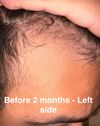
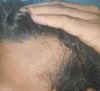
A 17-year-old experiencing hair loss due to hard water was advised by a dermatologist to use a treatment containing Minoxidil and vitamins. A respondent confirmed the treatment's safety but warned that discontinuing Minoxidil could worsen hair loss.
User discusses hair loss treatments including Minoxidil, Finasteride, and RU58841. Various suggestions given, such as topical estrogen, vitamins, and shaving head.
3 months of progress with Finasteride and Minoxidil treatment for hair loss, as well as Nutrafol vitamins and low-level light therapy. The user experienced no problems and had a satisfied girlfriend to boot!
The user shares a hair loss routine involving finasteride, B-Complex vitamins with biotin, pumpkin seed oil, apple cider vinegar, aloe vera, honey water, olive oil, and tea tree oil. They emphasize avoiding shampoo and using natural rinses to maintain scalp health and promote hair growth.
Datwagg63 started taking finasteride for hair loss and supplements it with omega 3, vitamins, and a low-carb diet while lifting weights. InternationalBerry suggested adding minoxidil, as it's considered the second most effective treatment after finasteride.
The user experienced a sudden and severe hair loss after 1.5 years of successful treatment with finasteride and minoxidil. They plan to check their thyroid and vitamin D levels as potential causes.
The conversation is about OP's hair regrowth progress using dutasteride, 5% minoxidil, dermarolling, ketoconazole, adapalene, and vitamin D. Some users doubt the progress, attributing it to longer hair and lighting, while others congratulate OP on the visible improvement.
A user is concerned about worsening hair loss despite using oral finasteride, oral and topical minoxidil, microneedling, keto shampoo, and vitamin D for almost a year. Suggestions include switching to dutasteride, continuing minoxidil, and considering different styling or haircuts.
A new light therapy claims to reduce hair loss markers by 92% using a specific wavelength range. Users discuss the cost and effectiveness of devices, with some expressing skepticism and others considering alternative treatments like red light therapy and vitamin D exposure.
A 17-year-old started using 1mg oral finasteride in April 2025 and increased oral minoxidil from 1.25mg to 2.5mg by December 2025. Users discuss progress, initial shedding, and suggest checking vitamin and mineral levels.
The user underwent a hair transplant 11 months ago and is satisfied with the results, regaining confidence. Post-operation treatments included oral minoxidil, finasteride, dutasteride, vitamin supplements, and occasional QR678 injections.
A 36-year-old started using finasteride (0.3-0.5mg daily), 5% minoxidil foam, and weekly dermarolling/dermapen treatments to address hair loss. They also began taking supplements for low ferritin and vitamin D, hoping to improve hair thickness and cover a bald spot.
The conversation discusses reducing hair fall by addressing dandruff with anti-dandruff shampoo, regular oiling, and stress management through meditation and yoga. Other users mention using ketoconazole, vitamin D, and finasteride, with some experiencing side effects.
The user reported hair regrowth using Minoxidil 5%, Dutadense four times a week, and vitamin supplements, noticing baby hairs after four months. They seek more density, especially on the crown and left temple.
The user shared their 3-year hair loss treatment progress using dutasteride, minoxidil, PRP, micro-needling, and vitamin D supplements, noting improvements and no side effects. They also discussed transitioning from finasteride to dutasteride and increasing minoxidil dosage, while considering the effectiveness of PRP and micro-needling with long hair.
The user is happy with their hair regrowth progress using 1mg Finasteride daily and 5% Minoxidil foam twice a day, with added vitamin D to combat potential side effects. They report no significant side effects and wish they had started the treatment earlier.
The user experienced hair thinning despite using Dutasteride, topical Minoxidil, Finasteride, and Ketoconazole shampoo, but noticed improvement after adjusting their diet and vitamin intake. They plan to continue their routine and monitor changes while addressing dandruff issues.
A 22-year-old male has been using finasteride for 5.5 months to address hair loss, experiencing diffuse density loss but no hair fall. He corrected a vitamin D deficiency and noticed new hair growth, seeking advice on whether thinning stabilizes after 3-6 months or if switching to dutasteride is advisable.
A 22-year-old male experiencing diffuse hair thinning has been using finasteride, initially at 0.5mg and then 1mg daily, but sees no improvement. Despite correcting a vitamin D deficiency and noticing some new hair growth, he questions the effectiveness of finasteride.
The user has been using a hair loss treatment protocol including topical dutasteride, minoxidil with tretinoin, ketoconazole shampoo, microneedling, a laser cap, and vitamin D for 15 weeks, showing impressive progress. Feedback suggests continuing medical therapy for 12-24 months before considering a hair transplant.
A user shared progress pictures after 5.5 months of using finasteride, minoxidil foam, vitamin D3, and ketoconazole shampoo for hair loss but hasn't seen progress yet. They are advised to wait a year before considering additional treatments like dutasteride.
The user reports that MSM supplementation has thickened their hair strands while using finasteride and topical minoxidil. They also take zinc, copper, B-complex, vitamin C, vitamin D3, and K2, and plan to add omega-3, magnesium, astaxanthin, and pterostilbene.
The user shared their hair regrowth journey using oral finasteride, minoxidil, biotin, and vitamins, along with microneedling. They experienced some side effects but reported significant progress and improvement in hair appearance.
A 27-year-old male has been using 1.25mg finasteride for 5 months and 5% minoxidil twice daily for 2 months, along with biotin and vitamin D supplements, to improve hair growth. He reports some progress and side effects like reduced libido, and is considering switching to oral minoxidil and possibly adding dutasteride after a year.
The user experienced significant hair regrowth using topical finasteride and minoxidil but faced a prolonged shedding phase, leading them to increase the finasteride dose and add oral dutasteride. Despite concerns about shedding, they remain hopeful for regrowth and are supplementing with Vitamin D.
The user switched from finasteride to dutasteride due to continued hair shedding and lack of improvement, despite using minoxidil and vitamins. Other users reported similar experiences with no significant regrowth after switching treatments.
A 25-year-old male using 1mg finasteride daily and 5% topical minoxidil twice daily noticed slight hair density improvement on the crown, less shedding, and no serious side effects except occasional mild discomfort. He uses Nizoral shampoo for itching and takes Vitamin D and Magnesium supplements, while maintaining a positive mental outlook and working on improving his sleep schedule.
A user is using minoxidil, finasteride, and tretinoin for hair regrowth. They are advised to be patient for results and to check for vitamin deficiencies.
An 18-year-old with diffuse hair thinning is considering switching from a topical Minoxidil 10% + Finasteride 0.1% solution to Minoxidil 5% foam and oral Finasteride 0.5mg, while also addressing vitamin D deficiency and potential scalp inflammation. Users suggest using Nizoral shampoo for inflammation, considering dutasteride for better results, and maintaining vitamin D levels to protect hair follicles from DHT.