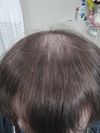
The conversation discusses the effects of B5 (Pantothenic acid), B7 (Biotin), and B12 on hair loss. Specific treatments mentioned include Minoxidil, finasteride, and RU58841.
The user has not seen results from various hair loss treatments including finasteride, dutasteride, minoxidil, and others over several years and is considering adding RU58841 and starting hormone replacement therapy. They are also experiencing anxiety and contemplating moving to a more accepting environment for their nonbinary identity.
Astaxanthin (ASX) is highlighted as a promising supplement for treating hair loss due to its antioxidant properties. It may help with inflammation and oxidative stress, which are linked to hair loss and aging.
A 24-year-old male is experiencing hair thinning and feels hopeless, considering treatments like finasteride and minoxidil but is concerned they might not work. He is also contemplating a dermatologist visit and is unable to afford a hair transplant.
A 21-year-old is experiencing hair thinning at the crown and has seen improvement with Minoxidil. They are considering adding Finasteride to stabilize hair loss but are concerned about potential side effects.
Red light therapy has shown promising results in hair regrowth for the user, who avoids minoxidil and finasteride due to side effects. The user follows a healthy lifestyle with diet, exercise, and sauna use, and will continue monitoring the therapy's effectiveness.
A user experienced sudden hair loss after 8 months on finasteride and minoxidil with tretinoin. Suggestions included stopping tretinoin as it might cause hair loss in some individuals.
Anti-hair loss shampoos, like the one with rosemary, quillaja, and jaborandi extracts, mainly support scalp health but are not effective for hair regrowth compared to treatments like finasteride or minoxidil. Ketoconazole 2% is noted as the only effective anti-hair loss shampoo, while others are often considered scams.
Parasites in the gut may contribute to hair loss by depleting essential nutrients and disrupting hormone balance. An imbalance of hormones, not just DHT, could be a factor in androgenic alopecia.
A 31-year-old man with androgenic alopecia is considering treatments like finasteride, minoxidil, and ketoconazole shampoo but is worried about finasteride's side effects. Users recommend starting with finasteride or dutasteride for DHT blocking, suggesting topical solutions to reduce side effects.
OP shared a 100-day progress on reducing hair shedding using Minoxidil and Dorpang scalp serum, noting healthier hair growth. Other users discussed their own treatments, including Minoxidil, ketoconazole, saw palmetto, and pumpkin seed oil, with some considering finasteride if needed.
The conversation discusses hair thinning and treatments like finasteride, dutasteride, oral and topical minoxidil, and RU58841. Users share experiences with retrograde alopecia, hair transplants, and stress-related hair loss, while also considering thyroid issues and other potential causes.
Oral minoxidil may be more effective than topical due to uniform distribution and systemic activation, but can cause side effects like puffiness. Adding tretinoin to topical minoxidil can enhance its effectiveness by aiding conversion to its active form.
A successful hair transplant with 3100 grafts combined with topical finasteride, minoxidil, Viviscal, biotin, sulfate free shampoo and Nizoral. People in the conversation talk about how the results look perfect and discuss the number of grafts and cost involved.
The user has been using minoxidil for hair loss and is considering trying a compounded topical treatment with 0.1% dutasteride, minoxidil, tretinoin, collagen, and silicon, as recommended by a trichologist. They learned that dutasteride might be more effective than finasteride and are seeking opinions on the use of topical dutasteride.
A user's experience with treating hair loss using finasteride and minoxidil, as well as advice from other users that they should try finasteride alone first before committing to minoxidil.
A user's hair loss treatment regimen, which includes minoxidil, ketoconazole shampoo and microneedling; some participants questioned the results due to previous posts about hair transplants, but others agreed that quick results are possible with certain treatments.
A user is seeking feedback on "Hair Gro" by New Nordic, which they are using alongside Rogaine, Nizoral shampoo, and castor oil for hair growth. They plan to update on their progress with the product, which contains ingredients like apple extract, millet extract, tocotrienols, tocopherol, L-Methionine, silicon, zinc, and biotin.
User obsessed with hair loss prevention shares collection of treatments, including oral and topical finasteride, minoxidil, dermapen, and more. Others suggest adding RU58841, laser helmet, and PRP, while some advise dropping certain treatments for long-term manageability.
Use retin-a cream and maintain a good skincare routine to counteract skin issues caused by topical minoxidil. Taking sublingual minoxidil can also be beneficial.
Minoxidil alone is just as effective as when combined with tretinoin and azelaic acid for hair loss. People adding tretinoin and azelaic acid to minoxidil may not see the expected benefits.
Age-linked hair loss is linked to disappearing collagen. Treatments discussed include minoxidil, finasteride, RU58841, tretinoin, microneedling, and collagen supplements.
A user shared their positive experience with finasteride for hair loss, noting improved hair thickness and some regrowth after a year of use. They also mentioned using peppermint oil, collagen, Nizoral, zinc supplements, and hair and mane shampoo and conditioner.
Diet changes alone are unlikely to reverse hair loss, as some users report no improvement without medical treatments like finasteride. A disciplined diet high in nutrients may support overall health, but finasteride is noted for effectively reversing hair thinning.
The user experienced intensified hair thinning after 10 years on finasteride and saw little improvement after switching to oral minoxidil and dutasteride for 8 months. Suggestions included continuing dutasteride for another 6-8 months, considering additional treatments like topical finasteride, and evaluating nutrition and other potential causes of hair loss.
The user is experiencing hair loss and confusion over conflicting medical advice, with treatments including minoxidil, finasteride, and topical corticosteroids. They are unsure about the necessity of a biopsy and the timing of using minoxidil, while also considering the impact of potential androgenetic alopecia and telogen effluvium.
The user experienced significant hair improvement using a costly treatment involving a tincture and micro needling. They are seeking cheaper alternatives, with suggestions including finasteride, dutasteride, and minoxidil as effective options.
The conversation concludes that over-the-counter DHT blockers, like Saw Palmetto, are largely ineffective for hair loss. Finasteride and Minoxidil are recommended as more effective treatments.
The conversation is about the effectiveness of Anagain, Capixyl, Procapil, and Redensyl for hair loss, and whether anyone has experience using these ingredients, sometimes in combination with Minoxidil.