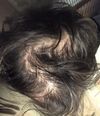
Hair growth progress using Propecia, Minoxidil, dermarolling, ketoconazole shampoo, and vitamins. Noticeable hair growth in temples after 3 months and 10 days.
The user has been using Minoxidil, vitamins, and a derma roller for 2.5 months with some regrowth observed. They are hesitant to add finasteride or dutasteride due to potential side effects, considering topical finasteride as a safer option.
The user is experiencing positive hair regrowth using a topical combination of Minoxidil, Finasteride, and Dutasteride from Happy Head, along with hair vitamins. In just two months, there is noticeable improvement in hair thickness and length, with some users suggesting continued patience for further results.
Effective treatments for male pattern baldness include finasteride, dutasteride, and oral minoxidil. Non-effective approaches include oils, shampoos, serums, laser therapies, massages, vitamins, and microneedling.
A 40 year old male using Dutasteride every other day, Minoxidil once daily, micro needling roughly every other week, Nizoral twice a week and taking vitamins and biotin, with results showing hair darkening. The conversation includes discussion of side effects experienced by the user, as well as potential alternative treatments such as finasteride or RU58841.
A 23-year-old is experiencing hair loss and has been using 5% topical minoxidil, 1 mg oral finasteride, and recently switched to 1.25 mg oral minoxidil. They are hopeful for regrowth with this new regimen, which includes biotin, iron, vitamins, Nioxin shampoo, and rosemary serum.
A 40-year-old shared their positive experience with a second hair transplant at HDC Cyprus, involving 4148 grafts and costing around 9,000 euros. They used oral minoxidil, Dutasteride, biotin, and vitamins to aid recovery and were pleased with the results.
A 27-year-old male is using a hair loss treatment regimen including topical minoxidil, oral finasteride, dermarolling, ketoconazole shampoo, and mesotherapy with dutasteride and vitamins. He is considering switching to oral dutasteride as recommended by his doctor and questions the necessity and cost of mesotherapy.
The user experienced significant hair regrowth after two months on a Hims oral treatment combining 3 mg minoxidil, 1.1 mg finasteride, and vitamins. The treatment is considered a normal/high dose, and the user reported initial side effects like oily skin and acne, which subsided over time.
A user shared their successful hair regrowth experience after using minoxidil and dutasteride for four months, overcoming severe hair loss due to genetics. They also used vitamins, shampoo, a dermaroller, and a scalp massager, and saw significant improvement, gaining back their hair and confidence.
The user has been taking finasteride for 4 months, vitamin supplements for 8 months, using a dermaroller for 2 months, and ketoral for 8 months, but has not seen improvement in hair loss. They seek advice on how long to wait for positive effects or what else to add.
A 23-year-old Asian male shared progress pictures after 3 months of using minoxidil, microneedling for 1.5 years, and taking vitamin supplements. Replies suggest adding finasteride or dutasteride for long-term hair maintenance.
A user's results after two months of using Dutasteride and Minoxidil, alongside other treatments such as multivitamins, derma rolling, finasteride, topical minoxidil, Nizoral shampoo, Pyrithione zinc shampoo, hair vitamins, and rosemary oil. People in the conversation shared encouragement and discussed their own regimens for treating hair loss.
The user reviewed the Kiierr 312 MD DualWave Laser for hair loss, using it alongside ketoconazole shampoo, Svvimer products, and oral finasteride. They also mentioned using minoxidil on their face and adjusting lifestyle factors like sleep, vitaminD, and protein intake.
The user has been using a hair loss treatment protocol including topical dutasteride, minoxidil with tretinoin, ketoconazole shampoo, microneedling, a laser cap, and vitaminD for 15 weeks, showing impressive progress. Feedback suggests continuing medical therapy for 12-24 months before considering a hair transplant.
A 25-year-old male using 1mg finasteride daily and 5% topical minoxidil twice daily noticed slight hair density improvement on the crown, less shedding, and no serious side effects except occasional mild discomfort. He uses Nizoral shampoo for itching and takes VitaminD and Magnesium supplements, while maintaining a positive mental outlook and working on improving his sleep schedule.
Significant hair regrowth was achieved using 1mg of finasteride daily, 3ml of topical minoxidil, ketoconazole shampoo, vitaminD, and castor oil, with no side effects. Results appeared after two months, leading to discussions on treatment effectiveness and commitment.
OP shares their experience with PCOS-related hair loss, highlighting that addressing vitaminD and ferritin deficiencies, managing hormones with spironolactone, and using gentle hair care products helped improve their condition. They advise against relying on "miracle" hair oils and emphasize the importance of medical evaluation and a combined approach to treatment.
A user shared their hair regrowth progress using a regimen of finasteride, minoxidil, derma stamping, red light therapy, and supplements like biotin and vitaminD. They also use keto shampoo and Alpecin C1 shampoo, exercise regularly, and follow a keto diet.
The user improved diffuse thinning without finasteride by using minoxidil foam, cold showers, gentle hair drying, 2% ketoconazole, sulfate-free tea tree oil shampoo, dermastamping, and supplements like Omega-3, Vitamin-D, Biotin, Keratin, Collagen, B3, Zinc, and Magnesium. The regimen was followed for about six months under dermatologist guidance.
A 21-year-old male has been using dutasteride 0.5mg daily and topical minoxidil 5% nightly for a year and a half without success. He switched to oral minoxidil 0.25mg daily and is taking vitaminD supplements, but remains concerned about ongoing hair loss.
The user shared their bloodwork results showing DHT at 17 ng/dl and testosterone at 287 ng/dl, with a slight VitaminDdeficiency. They are seeking opinions on these levels and have an upcoming dermatologist appointment.
The conversation is about identifying nutritional factors that should be checked and supplemented to address diffuse hair loss, including VitaminD, Biotin, Vitamin C, Vitamin B, Iron, Zinc, Protein, and Omega-3. No specific treatments were mentioned.
A user's 6-month journey to treat their hair loss using 1mg finasteride twice daily, topical minoxidil, vitaminD3, keto diet, and microneedling. They experienced shedding at the end of month 3 but have seen progress in recent months despite this.
Micronutrient testing and deficiencies related to hair loss, particularly androgenetic alopecia (AGA). Discussion includes the impact of iron, selenium, zinc, copper, folate, B12, vitamin E, vitaminD, amino acids, and fatty acids, alongside treatments like dutasteride or finasteride.
The post and conversation are about a user's 6-month progress using topical dutasteride, 8% minoxidil, tretinoin, 2% ketoconazole shampoo, microneedling, oral finasteride, pumpkin seed oil, VitaminD3, a men's multivitamin, rosemary oil, and 5% minoxidil foam for hair loss treatment.
Factors that can cause hair loss other than DHT, such as inflammation and diet, and potential treatments like scalp massages, minoxidil, citrulline, stretches, meditation, iron sulfate/Vitamin C, VitaminD, protein and Dutasteride.
A user has been taking finasteride for 5 months with no improvement in diffuse hair loss and suspects high levels of prolactin, cortisol, progesterone, and DHEAS, as well as iron, might be contributing to the issue. They are also taking vitaminD to address a deficiency.
The user experienced side effects from daily 1 mg Finasteride and switched to 0.5 mg every other day, supplemented with creatine, tongkat ali, tribulus terrestris, vitaminD3, bromantane, l-tyrosine, and caffeine. They also use weekly 1.5 mm microneedling and daily 50 mg RU58841, except on microneedling days, to manage hair loss.