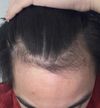
A user is treating their advanced hair loss with a regimen including topical finasteride, minoxidil, hydrocortisone, stem cell serum, peptide serum, multivitamins, he shou wu tea, derma pen, argan oil, and a derma roller. Replies suggest it's too early to judge progress and recommend staying consistent, with one suggesting oral minoxidil as an additional option.
The user reports positive progress in hair regrowth using 1mg oral finasteride, 3mg oral minoxidil, biotin, vitamin D, red light therapy, and microneedling. They note thickening at the hairline and some regrowth at the temples.
The conversation discusses a 13-month hair loss treatment update using dutasteride, minoxidil, nizoral, and a 1.5mm derma roller, with the original poster reporting no side effects and some improvement in hair thickness. Participants request before-and-after pictures with consistent hairstyles to better assess the treatment's effectiveness.
Vitamin D deficiency can hinder hair recovery, and addressing it may help with hair loss. Hair loss may result from various issues like excess DHT, vitamin deficiency, or scalp inflammation.
User made progress with topical Finasteride/Minoxidil and topical Dutasteride for hair loss. Microneedling at 1.5mm daily was also mentioned as part of the treatment.
The user shared their 12-month hair regrowth progress using 1mg finasteride, 5mg oral minoxidil, and topical minoxidil. They also used a derma stamp weekly and treated seborrheic dermatitis with Mometasone and Nizoral.
A user improved their hair loss from NW3+ to NW1.5 over three years using a regimen of dutasteride, finasteride, Nizoral, biotin, and collagen. They experienced some side effects and adjusted dosages over time, and noted additional benefits like better skin and muscle gain.
A 25-year-old male has been treating hair loss for six months using 5% minoxidil once daily, 0.02% DIY topical finasteride once daily, and microneedling every two weeks. He reports increased hair density and some regrowth, particularly vellus hairs, and plans to continue the regimen, possibly adding oral finasteride in the future.
The user has been using topical minoxidil, finasteride, microneedling, and laser light therapy for 11 weeks to address hair thinning. They report difficulty applying the treatment due to increased hair thickness and are unsure if the results are significant.
The user experienced increased hair loss and scalp itchiness despite using finasteride and plans to resume minoxidil and start microneedling. They are considering using clay, Aveda thickening tonic, and a beanie to manage the appearance of thinning hair.
The user has been using finasteride, ketoconazole shampoo, oral minoxidil, and minoxidil foam for hair loss but feels their hair is not as thick as desired. They have stopped using RU58841 due to lack of results and are concerned about hair miniaturization despite these treatments.
The user is using a regimen of topical finasteride (.025% concentration), minoxidil, Nutrafol, and vitamin D to address hair loss. They experienced initial side effects but reported improvement over 11 weeks and are considering increasing the dosage.
A 17-year-old is experiencing rapid hair loss from NW1.5 to NW3 in six months and feels dermatologists are unhelpful. They are using Minoxidil (Rogaine) and seeking advice on application.
A user started taking finasteride 1mg/day for hair loss but hasn't seen results yet. They also take vitamins and asked about adding minoxidil and the effectiveness of LLLT.
The user reports using topical minoxidil 6% and finasteride 0.05% once daily, along with microneedling, vitamins, biotin, and nizoral shampoo. They recently increased minoxidil and finasteride to twice daily and feel their hair is thicker but are unsure about regrowth.
A 22-year-old male experiencing hair thinning and loss, possibly due to seborrheic dermatitis or low vitamin D, is cautious about using minoxidil or finasteride due to heart palpitations and high blood pressure. Suggestions include using ketoconazole shampoo to control inflammation and focusing on treating the dermatitis first.
A user struggles with male pattern baldness and a persistent tingling itch on their crown, trying various treatments like aloe vera, tea tree oil, and Nizoral without success. Another user suggests the itch might be psychosomatic, linked to worrying about hair loss.
The user has been using topical Minoxidil twice daily for a year and is seeking feedback on whether their hair condition is improving, maintaining, or worsening. They provided photos for comparison from last year and this year.
A user's progress with hair loss treatments over 5 months, using topical finasteride (0.3%) and minoxidil (6%), as well as weekly microneedling sessions; other users have asked questions about the results and offered compliments.
IGFBP‐rP1 shows potential for treating androgenic alopecia by influencing hair cycle transitions. Increasing IGF-1 levels may have similar effects to Minoxidil and 5-AR inhibitors in reducing hair loss.
A user with long-term hair loss has been using topical minoxidil, finasteride, RU58841, ketoconazole, and dermastamping for 8 months. They are unsure if the new hairs are miniaturized or vellus.
The user is considering a second hair transplant or scalp micropigmentation to address thinning in the crown area and hide scars from a previous transplant. They have been using finasteride and minoxidil for three years but are concerned about the appearance of their donor area and the effectiveness of scalp micropigmentation.
The conversation is about a user's hair transplant progress using 3000 grafts with DHI technique, foam Minoxidil, Tretinoin, and Dutasteride after 5.5 months. Commenters are impressed with the results, noting significant improvement.
A 23-year-old user shared progress pictures after 5 months of using 1.25 mg finasteride, 2x daily topical minoxidil, weekly derma stamping, and occasional Nizoral and mixed topical for dandruff. They report reduced shedding and seek advice on when to confidently grow out their hair.
The post discusses a user's 6-month progress using topical finasteride (0.08%) and minoxidil (5%) once a day, combined with scalp micropigmentation (SMP). The user hopes for improved hair growth as they let their hair grow out.
A user shared their aggressive hair loss treatment regimen, which includes daily use of Avodart (dutasteride) and Minoxidil, bi-weekly use of Davines Purifying shampoo, and almost daily use of Ducray Anaphase+ shampoo, along with supplements like vitamin D3, collagen, biotin, and zinc. They also use a dermastamp every 10 days and are considering a hair transplant for increased density, followed by a switch to finasteride and Minoxidil foam.
A user shared their 90-day progress using a topical gel with 0.25% finasteride and 5% minoxidil, along with derma stamping and Ketoconazole shampoo, noting improved hair density. Another user suggested considering a hair transplant as a priority.
The user's hair appears to have improved, looking thicker and healthier, especially around the temples, after using topical minoxidil, finasteride, dutasteride, and tretinoin. Most participants agree the last picture shows significant improvement, though one disagrees.
Switching from 2% liquid minoxidil to 5% foam minoxidil reduced scalp irritation but increased eyebrow flakiness and thinning. The user speculates that propylene glycol in the liquid formulation might have been protecting against seborrheic dermatitis while causing contact dermatitis.