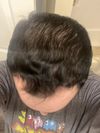
The user underwent a hair transplant in Turkey and has been using a topical solution with 5% minoxidil and 0.0025% finasteride, along with Ket 2% shampoo and derma rolling, to maintain hair status. They are uncertain about improvements, noting thicker non-transplanted hair, and are considering increasing medication frequency to enhance results.
The post discusses using a topical tincture containing zinc, azelaic acid, and other ingredients to inhibit 5 alpha-reductase activity for treating hair loss. The user plans to try this natural alternative before using finasteride or RU58841.
Minoxidil with alcohol and propylene glycol was more effective than non-alcohol versions, and RU58841 worked best in a non-water-based solution. Oral finasteride showed better results than topical, despite side effects; microneedling and tretinoin worsened hair loss, and PRP was only helpful when younger.
The conversation discusses sourcing topical dutasteride for hair loss treatment, with mentions of Dr. Mwamba's products and Farmacia Prati as potential suppliers. Additional treatments like topical tocotrienols and botox are suggested as extensions to the regimen.
A 21-year-old experiencing significant hair loss despite using dutasteride, oral minoxidil, ketoconazole shampoo, and low-level laser therapy seeks advice. Suggestions include adding microneedling, checking for vitamin deficiencies or thyroid issues, and considering a scalp biopsy for other conditions.
Microneedling, ketoconazole, and tretinoin are discussed as hair loss treatments, with tretinoin favored for its long-term benefits and potential to turn minoxidil non-responders into responders. Microneedling is recommended for initial use, ketoconazole for dandruff, and tretinoin for continuous use due to its skin benefits.
A man in his twenties with hereditary hair loss has been using 5% Minoxidil, a derma roller, Vitamin D3, and recently started Finasteride, noticing baby hairs and some improvement. Users encourage him, noting good progress and potential for further improvement.
The conversation is about a hair loss treatment protocol involving microneedling, finasteride, RU58841, minoxidil, ketoconazole shampoo, and a scalp massager with oils. Some users advise starting with fewer treatments like finasteride, minoxidil, and microneedling to avoid potential side effects.
The conversation is about creating a topical hair loss treatment with B6, zinc, and azelaic acid, which is claimed to inhibit 90% of scalp DHT. One user is skeptical about the effectiveness of this treatment and its comparison to other treatments without side effects.
A 43-year-old male with advanced hair loss is experimenting with alternative treatments, including red light therapy, microneedling, scalp massages, an oil mix, and ketoconazole shampoo, after previously experiencing side effects from finasteride and minoxidil. He noticed some minor changes with red light therapy but remains skeptical about significant improvement.
User discusses a promising topical Procyanidin B2 treatment for hair loss. Users share mixed experiences and mention effective treatments like finasteride, minoxidil, and LLLT.
The post discusses a hair loss treatment regime using Nizoral, a laser helmet, dermaroller, bentonite clay mask with essential oils, and ketoconazole shampoo. The user avoids finasteride and minoxidil due to concerns about side effects and pet safety.
The user is considering starting minoxidil or getting their scalp checked for permanent scarring due to noticing thinner hair after bleaching. They are seeking advice on hair loss remedies.
The conversation discusses using a multimodal approach to treat androgenic alopecia, including substances like gamma-linolenic acid, DHA, sulforaphane, melatonin, cetirizine, astaxanthin, fisetin, apigenin, curcumin, limonene, genistein, and berberine. Users also mention using ketoconazole, minoxidil, and low-level laser therapy (LLLT) as part of their hair loss treatment regimens.
The user has been using topical 5% Minoxidil, 0.1% Finasteride, dermastamping, 2% ketoconazole, and a DHT-blocking shampoo with saw palmetto, caffeine, biotin, and argan oil for hair loss. Despite some baby hair growth on one side, the user is experiencing continued hairline recession and shedding, leading to distress.
The conversation discusses the potential of new hair loss treatments, with a focus on pyrilutamide, gt20029, and topical alfatradiol, and the possibility of improving their effectiveness through methods like increased concentration and microneedling. Dutasteride is also mentioned as a stronger option.
PP405 is moving to late-stage trials, showing potential for hair regrowth, with 31% of male patients experiencing a 20% increase in hair density. Veradermics is developing an oral minoxidil version, and there is interest in combining treatments for better results.
Start hair loss treatment as soon as you notice thinning to prevent further loss; finasteride and minoxidil are suggested treatments, with the option to switch to topical treatments if side effects occur. Some regret not starting treatment earlier, and maintaining current hair is more likely than regrowth.
Significant hair regrowth was achieved using a topical combination of 0.3% finasteride and 6% minoxidil, with weekly dermastamping and ketoconazole shampoo, without side effects. Others suggested additional treatments like red light therapy and PRP.
The conversation is about a user's hair regrowth progress using topical Minoxidil 5%, a derma roller, Foligain Trioxidil shampoo, and various supplements like zinc, selenium, magnesium, B6, B7, saw palmetto, and D3 + K2. The user is seeking finasteride but faces prescription challenges in Italy.
Upcoming hair loss treatments for those who can't tolerate DHT blockers, focusing on Minoxidil, microneedling, and ketoconazole. Promising treatments include GT20029, PP405, KX-826, and RU58841, though RU58841 may not be safe.
A 25-year-old male has been treating hair loss for six months using 5% minoxidil once daily, 0.02% DIY topical finasteride once daily, and microneedling every two weeks. He reports increased hair density and some regrowth, particularly vellus hairs, and plans to continue the regimen, possibly adding oral finasteride in the future.
The post discusses various hair loss treatments including minoxidil, finasteride, microneedling, vitamins, lifestyle changes, and reducing prolactin levels. The user reports positive results after 4 months of treatment, including increased hair growth.
The user has been using Dutasteride, Minoxidil, Ketoconazole, and RU58841 for hair loss but sees subpar results. Suggestions include adjusting treatments, considering a hair transplant, and addressing scalp inflammation.
A 23-year-old user shared progress pictures after 5 months of using 1.25 mg finasteride, 2x daily topical minoxidil, weekly derma stamping, and occasional Nizoral and mixed topical for dandruff. They report reduced shedding and seek advice on when to confidently grow out their hair.
Testing the effectiveness of Verteporfin as a potential treatment for hair loss, with users discussing their thoughts on its long-term results. Treatments mentioned include Minoxidil, Finasteride, and RU58841.