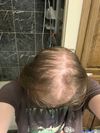
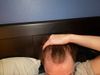
The conversation discusses hair regrowth progress using topical dutasteride with cetirizine, laser therapy, and growth serum. The user observes miniaturized, vellus hairs on the scalp.
The user has been using finasteride inconsistently for 2 years and minoxidil for 6 months without seeing hair growth. They are considering switching to dutasteride and restarting minoxidil to address thinning at the right temple, with advice suggesting consistent use for better results.
The user is considering switching from a stamp to a pen for hair treatment due to poor results with the stamp. They are concerned about the availability of pen refills and are seeking better outcomes with the pen.
A 28-year-old male considering hair restoration is deciding between starting with 0.5mg dutasteride or 1mg finasteride, with finasteride being the typical starting point due to fewer and shorter-lasting side effects. The options also include minoxidil and biotin.
A user in Germany struggles to get a finasteride prescription despite trying multiple doctors and apps, only receiving minoxidil. Other users suggest alternative sources like Zava.med, EU doctor App, and buying from pharmacies abroad.
A 25-year-old is experiencing hair thinning despite using 0.5mg oral dutasteride, 0.3% topical finasteride, and 6% topical minoxidil daily for a year. They are considering increasing dutasteride dosage and exploring other treatments like microneedling and KX 826, while seeking further medical opinions on their condition.
A user shared their 11-month experience using a 272 diode red light hat for hair loss, noting decent results despite inconsistent use and no medication. Another user suggested that real treatment like minoxidil or finasteride is necessary for long-term hair maintenance.
The user shared their three-year progress using finasteride and minoxidil for hair regrowth before undergoing a hair transplant procedure. They plan to continue the medication post-procedure due to its success and did not experience significant side effects.
The FDA policy change may speed up approval for hair loss drugs like PP405, VDPHL-01, and Breezula by potentially eliminating the need for a second confirmatory Phase 3 trial. Approval timelines could be as early as 2028 for some treatments if Phase 3 results are strong.
The user shared a 4-5 month update on using finasteride, minoxidil, vitamins, oiling, and microneedling for hair loss. They reported improved hair density and confidence but experienced unwanted hair growth, thin hair, itching, and a flaky scalp.
Dutasteride capsules were exposed to heat and humidity, causing them to soften, and the user considered replacing them with new ones from a local pharmacy. Suggestions included alternating between old and new capsules, storing them properly, and using them topically with Minoxidil, though the user decided to wait and see the effects of Dutasteride first.
A 25-year-old with aggressive diffuse NW5 hair loss is using Minoxidil, oral Finasteride, RU58841, Ketoconazole, and dermastamping, experiencing slow progress and mental health struggles. Despite some visible regrowth, the user feels discouraged due to ongoing hair loss and is seeking reassurance and advice.
A 22.5-year-old male is frustrated with doctors for not taking his diffuse thinning seriously. He has been using finasteride for 2.5 years, avoids topical minoxidil due to dandruff, and is hesitant about oral minoxidil due to weight and injury concerns.
The user experienced progress in hair recovery using oral finasteride and minoxidil, despite some side effects like increased heart rate. They switched from foam to oral treatments for convenience and reported minimal shedding.
A user is experiencing worsening hair loss despite using finasteride, PRP treatments, and supplements like vitamin D, biotin, zinc, and iron. They are seeking advice on whether to continue with finasteride, increase the dosage, or try additional PRP sessions.
A new hair loss treatment, KX-826, is being discussed as a stronger and safer alternative to RU58841 and finasteride. Opinions are mixed, with some users skeptical about its effectiveness and others considering it as part of their regimen.
A 20-year-old experiencing hair thinning for over two years cannot use finasteride due to side effects. Alternatives suggested include minoxidil, dermarolling, topical dutasteride, and ketoconazole shampoo for scalp issues.
A user shared 3 months of progress using daily Dutasteride 0.5mg and Minoxidil 5mg, with Dutasteride mesotherapy every 4 months. They prefer not to use additional treatments for now.
Follicusan DP is discussed as a potential alternative to Minoxidil without side effects, but information is scarce. It is noted to be of German origin and details on its mechanism are limited.
A 23 year old user who has had success with finasteride and minoxidil, regaining their hair after losing it due to male pattern baldness. They also attribute part of the success to lifestyle changes such as eating better, exercising, sleeping well, and reducing smoking.
The conversation is about someone's 4-month hair regrowth progress using 0.5mg dutasteride and topical minoxidil. Another person is inspired and is using 5mg finasteride and 5% minoxidil topically twice daily, hoping for similar results.
The conversation discusses the potential benefits of creating a hydrophobic version of finasteride to reduce systemic side effects while maintaining scalp health. It compares this idea to fluridil, which is designed to be hydrophobic and has less systemic absorption.
A user's experience with using Fin for hair loss, which includes shedding and regrowth, potential side effects, and the use of supplements, protein, and exercise as additional treatments.
Whey protein does not cause hair loss; concerns are likely unfounded. The user is on finasteride and minoxidil but sees no improvement, so they are phasing out these treatments while continuing to work out and use whey protein.
A 20-year-old is using 5% minoxidil and 0.1% dutasteride foam, along with oral 2.5 mg minoxidil, Forcapil, vitamin D3, and Alpecin shampoo for hair loss, noticing new hair growth and improved hair density. They previously tried finasteride but stopped due to side effects.
The user shared progress pictures over four months using topical finasteride, topical and oral minoxidil, topical RU58841 daily, and oral dutasteride once a week. The pictures are spaced about a month apart.
The conversation discusses various hair loss treatments, including minoxidil, finasteride, dutasteride, pyrilutamide, alfatrodial, and nizoral, with a focus on the potential of new treatments like gt20029 and breezula. There is optimism about novel treatments that don't have systemic effects, although skepticism remains about the effectiveness of some new drugs.
Hair loss treatment should target dermal white adipose tissue (DWAT) to restore hair follicles. Potential remedies include tocopherol (vitamin E), botox, rosiglitazone, niacin, kojyl cinnamate esters, and ADP355.
A 24-year-old male has been using 0.1% finasteride and 5% minoxidil daily for four months, added dermarolling and topical dutasteride, and sees hair regrowth, improving from a Norwood scale 4a to 3a. He wants to optimize his hair loss treatment routine.