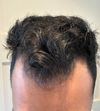
The user reported worsening hair loss after 1.5 years on finasteride, questioning if chronic iron deficiency could be a cause. They noted no side effects from finasteride.
The conversation is about a user concerned about hair thinning despite using finasteride, minoxidil, RU58841, and recently adding dutasteride. Most responses suggest there is no noticeable difference in hair loss, attributing concerns to paranoia, and recommend continuing the current treatment or adjusting expectations.
The user experienced no improvement in hair loss after using a dermatologist's minoxidil 10% and finasteride 0.1% solution, clotrimazole, daily dermarolling, and multivitamins. They plan to switch to oral finasteride and reduce dermarolling to once a week.
Mooseman1944 noticed hair regrowth and less shedding during the first 6 months of taking finasteride, but is now experiencing increased shedding and thinning hair. They are considering switching to dutasteride or adding minoxidil if there's no improvement by next August.
The conversation discusses various treatments for hair loss, including finasteride, minoxidil, dutasteride, microneedling, and checking for nutrient deficiencies. Some users suggest adding hydrocortisone butyrate, low-dose progesterone, or tretinoin to treatment regimens, while others recommend cosmetic solutions like Toppik hair fibers or shaving the head.
User is experiencing hair loss and scalp dryness after using a topical solution containing minoxidil, tretinoin, finasteride, and hydrocortisone. They seek advice and personal experiences with this treatment.
Transplanted hairs are thinning after switching from topical to oral minoxidil, with increased shedding and miniaturization. The user is considering reintroducing topical minoxidil and has started using ketoconazole shampoo.
A 26-year-old is experiencing worsening hair thinning despite using dutasteride 0.5 mg and oral minoxidil 5 mg, alongside ketoconazole for seborrheic dermatitis. Users suggest patience, as results may take 12–18 months, and consider increasing the dutasteride dosage or consulting a dermatologist.
A 27-year-old is using finasteride, minoxidil, microneedling, and Pilexil shampoo to combat hair loss, with plans to add Nizoral shampoo and light stimulation. Initial results show reduced hair loss and some hair thickening, despite a period of shedding.
The conversation discusses a hair loss regimen involving finasteride, dutasteride, minoxidil, RU58841, and various supplements like biotin, omega-3, vitamin D3, zinc, and magnesium. The user also uses dermastamping and topicals like ketoconazole and diclofenac, with mixed opinions on zinc's effect on hair loss.
The user experienced hair regrowth using finasteride, biotin, folic acid, vitamin D3, and microneedling, despite initial shedding. Vitamin D3 deficiency caused hair loss and insomnia.
The user experienced hair loss due to defective dutasteride and is now using a regimen including dutasteride, oral and topical minoxidil, RU58841, tretinoin, and microneedling to recover hair density. They are optimistic about regaining their hair despite recent setbacks.
A 26-year-old is starting a hair loss treatment using 1mg oral finasteride daily, 5% topical minoxidil foam twice daily, 2% ketoconazole shampoo weekly, and microneedling once a week. They noticed worsening hair loss over the past year and are seeking advice.
A 26-year-old is experiencing hair thinning and has received conflicting diagnoses of androgenetic alopecia and telogen effluvium. They are considering treatments like dutasteride, oral and topical minoxidil, and are unsure whether to start treatment or pursue further diagnosis like a scalp biopsy.
The user is experiencing progressive hair thinning despite using finasteride and dutasteride. A biopsy confirmed male pattern baldness, and minoxidil was suggested as an additional treatment.
A 28-year-old is experiencing hair loss despite using treatments like oral minoxidil, finasteride, and high-dose dutasteride (2.5 mg). They suspect lichen planus might be contributing to the issue and plan to continue treatment while monitoring progress.
A user shared impressive hair regrowth results after six months of using 1 mg oral finasteride daily, 2 ml topical minoxidil 5%, ketoconazole shampoo, and vitamin D and iron supplements. The user reported no side effects and attributed the success to a combination of treatments for androgenetic alopecia and iron deficiency.
The user experienced hair loss starting in college, worsening over time, and tried various treatments including Vitamin D, biotin, fish oil, and scalp massages. They recently started taking finasteride (Fin) and plan to continue a healthy diet, reduce stress, and possibly add Nizoral and Rogaine.
A 32-year-old male shares his 5-year progress using finasteride, minoxidil, RU58841, and ketoconazole for hair loss. Despite consistent use, he feels his hair isn't as thick as before and is concerned about continued shedding and hairline miniaturization.
A user experienced androgenic alopecia starting at the vertex without frontal hairline recession and is seeking information on this pattern. Another user noted that vertex or diffuse hair loss is common among men.
A user experienced significant hair loss after 6 months of using 0.5mg finasteride daily. Suggestions from others included trying Dutasteride and Minoxidil, getting professional help from a dermatologist, and addressing high iron levels that could be contributing to the hair loss.
A 27-year-old male experiencing increased hair loss despite using 0.5mg dutasteride daily, minoxidil nightly, and optimizing vitamin D, is considering zinc supplementation and seeking a dermatology referral. Concerns about potential shedding, thyroid levels, and zinc dosage are discussed, with advice to monitor and avoid over-supplementation.
A user started a hair loss treatment 6 weeks ago using oral finasteride, minoxidil, biotin, vitamins B5, B6, and C, along with a topical serum containing batana, rosemary, castor oils, rice water, and more biotin. They are hoping to see progress by June-July.
The user is experiencing hair loss likely due to anemia and nutrient deficiency, and is considering using Minoxidil or non-drug treatments like coffee rinses while improving their diet and taking supplements. They are unsure if Minoxidil will be effective for this type of hair loss and are concerned about potential side effects.
The user is experiencing hair loss with possible causes including chronic telogen effluvium, diffuse alopecia areata, and androgenic alopecia. They have tried treatments like Nizoral shampoo, minoxidil, and finasteride, and are considering a biopsy for further clarity.
The user is using finasteride, dutasteride, Nizoral, biotin, RU58841, minoxidil, Pantostin/Alfatradiol, Stemoxydine, and micro needling for hair loss. They are considering adding oral minoxidil.
The user is experiencing continued hair thinning despite taking Finasteride 1 mg daily for over a year and is hesitant to try Minoxidil due to potential side effects and inconsistency. Suggestions include trying topical Minoxidil once a day, considering oral Minoxidil, and possibly getting a skin biopsy to determine the type of hair loss.
The user has been on finasteride for 5 months and noticed their hair becoming wispy/frizzy, suspecting minoxidil might have also contributed to the change. They are distressed by the change in their hair's appearance.
A 21-year-old experiencing hair loss was prescribed two shampoos and hair vitamins by a dermatologist who suggested seborrheic dermatitis as the cause. However, users in the conversation suggested the hair loss could be male pattern baldness (MPB), recommending monitoring the situation and considering finasteride as a treatment.
A person treated their diffuse alopecia with oral minoxidil (10mg daily), oral finasteride (reduced to 0.25mg daily due to side effects), castor oil, vitamins, and ashwagandha, and plans a hair transplant in Turkey. They stopped using topical minoxidil, have seen improved hair density, but are still experiencing hair loss.