Alfatradiol is often discussed at a 1% concentration, but studies typically use 0.025%. Some users report success using it as a topical treatment alongside other hair loss treatments like finasteride.
The user is seeking alternatives to propylene glycol and glycerin for mixing with RU58841 due to allergies and greasiness. Suggestions include reducing glycerin and considering stemoxydine as a solvent.
The conversation discusses the potential benefits of Sulforaphane for hair growth, with a suggestion to grow broccoli sprouts for the best results. One user doubts its effectiveness for hair loss but notes its anti-cancer and hormetic benefits.
A user shared his experience of having two healthy children while continuously using finasteride (Fin) for hair loss, challenging fears about its potential impact on fetal development. The discussion that followed included various perspectives, with some users sharing similar experiences, others expressing concerns about potential risks, and some emphasizing the need for more substantial evidence before drawing conclusions.
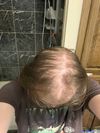
A 32-year-old user shared progress pictures after using finasteride for 12 months, starting with 0.25g for 5 months and then 0.5g for 7 months. They have not yet added minoxidil or dermarolling and will update at the one-year mark.
The conversation is about creating a topical finasteride solution without minoxidil, using an alcohol-based base like ethanol. The discussion includes using finasteride in powder form and mentions adding ingredients like glycerol, salicylic acid, or castor oil.
A user shared how they bought an 18-month supply of finasteride for $23.50 in Turkey by purchasing 5mg pills and splitting them. They also mentioned buying other medications like painkillers and antibiotics from local pharmacies.
User explores no-finasteride hair loss treatments, considering compounds like Minoxidil, Eucapil, Alfatradiol, Stemoxydeine, Azelaic Acid, Retinol, and Ketoconazole Shampoo. They ask about mixing compounds, application schedules, and potential side effects.
A user is trying 2-deoxy-D-ribose with distilled water for hair growth, observing new hair and skin pigmentation changes. Others compare it to Minoxidil, expressing interest and caution about its effectiveness and safety.
Pyrilutamide, a drug in phase 3 trials in China, potentially becoming available in late 2023 or early 2024; Finasteride being used as a current treatment for hair loss; and the possibility of joining a group buy for black market versions of Pyrilutamide.
The conversation discusses the safety and cost of 2.5mg Dutasteride, and the potential for increased DHT reduction by combining Dutasteride with topical Finasteride. The original poster is currently using 0.5mg Dutasteride, 1.25mg oral Minoxidil, and a topical treatment, and is considering increasing the dosage to maximize results while avoiding less known treatments like RU58841.
A user discussed a significant hair recovery using alfatradiol and fluridil but was considered untrustworthy and the post was deleted. They are seeking the original poster's username.
The user experienced significant hair shedding in the second month of using finasteride, leading them to buzz their hair. They plan to improve their diet, sleep, and stress levels, and start using Nizoral for scalp issues.
The conversation is about obtaining alfatradiol in Canada, specifically in Quebec, and whether it requires a prescription or can be bought online. A user suggests ordering it from a specific website.
A 20-year-old user experienced significant hair regrowth after using 5% minoxidil foam and finasteride for four months, starting to see results after two months with no side effects. They also cut off damaged hair ends, wash their hair every other day, and advise managing stress to improve hair loss outcomes.
Winlevi (clascoterone) is discussed as a treatment for hormonal acne and seborrheic dermatitis due to its ability to block DHT and regulate sebum production. The post suggests that Winlevi could offer a novel approach for managing seborrheic dermatitis.
Hair loss treatment should target dermal white adipose tissue (DWAT) to restore hair follicles. Potential remedies include tocopherol (vitamin E), botox, rosiglitazone, niacin, kojyl cinnamate esters, and ADP355.
The conversation discusses hair loss and the potential impact of zinc supplementation, with some users suggesting it might contribute to shedding. The original poster is using finasteride and considering adjusting their zinc intake and dosage of finasteride.
A Spanish dermatologist suggests sulforaphane for androgenetic alopecia (AGA) due to its potential to remove DHT metabolites, though high dosages are needed. A topical formulation might be possible.
The conversation discusses Fevipiprant, an asthma drug that may block CRTH2 and potentially stop male pattern baldness (MPB) without inhibiting DHT. It also mentions the use of finasteride and dutasteride for hair loss.
The conversation discusses converting liquid minoxidil into a foam version to save money. The user is exploring if a foam sprayer can achieve this or if additional ingredients are needed.
Topilutamide is a potential hair loss treatment between Clascoterone and RU58841. Users discuss finding Topilutamide powder and its possible benefits for those who can't afford or tolerate other treatments.
Minoxidil and finasteride are being considered for hair loss due to seborrheic dermatitis and male pattern baldness. The user is also using ketoconazole and zinc pyrithione shampoo.
User is 16, experiencing hair loss, and using minoxidil and alfatradiol. Shedding decreased, new hairs growing on temples, but unsure if alfatradiol is effective or if future shedding will occur.
Analyzing data on pyrilutamide, a potential hair loss treatment, as well as the effectiveness of other treatments such as Minoxidil, Finasteride, and RU58841.
A 22-year-old male shared his positive experience using 1 mg finasteride daily for two years, noting significant hair thickening and texture improvement without side effects. Other users discussed their own hair loss treatments, including finasteride and minoxidil, and shared encouragement and advice.
The user experienced significant hair improvement over two years using finasteride, minoxidil foam, and ketoconazole, despite some initial shedding and a side effect of watery semen. They are satisfied with the results and encourage others to persist with their treatment.