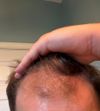
A user ordered H&W's 1.25% Topical Finasteride and is curious about others' experiences and side effects. Another user asked about availability in the US.
OP shares their experience with PCOS-related hair loss, highlighting that addressing vitamin D and ferritin deficiencies, managing hormones with spironolactone, and using gentle hair care products helped improve their condition. They advise against relying on "miracle" hair oils and emphasize the importance of medical evaluation and a combined approach to treatment.
A user is questioning if Aveda composition oil promotes hair growth or blocks it, listing its ingredients. They are experiencing severe hair thinning and are unsure if they should continue using the product.
Jordan-Iliad has been using a combination of finasteride, minoxidil, stemoxydine, microneedling, saw palmetto, peppermint and jojoba oils, ketoconazole shampoo, and Purador shampoo/conditioner for 3 months to treat their hair loss with stunning results. They have also recently started taking oral minoxidil 1.25mg/day in hopes of achieving even better results over the next 3 months.
The conversation discusses a new product from Actifolic, which combines RU58841 and GHK-CU for hair loss treatment. The participants are considering whether it's worth trying.
An 18-year-old started using finasteride for hair loss, already seeing results from minoxidil but experiencing shedding. They also use castor, rosemary, and peppermint oils, dermarolling, and are questioning the need for Nizoral while on finasteride.
The user experienced hair loss potentially due to creatine and stopped using it. They saw progress after three months using minoxidil, rosemary oil, and anti-dandruff shampoo.
The conversation discusses potential hair loss treatments, including Setipiprant, Bimatoprost, and Follicept. The user encourages signing up for Follicept, which may come to market soon.
Users discuss whether Koshine reduces sebum and scalp itchiness. Some report reduced sebum and seborrheic dermatitis, while others debate the effectiveness of anti-androgens like RU58841 for hair loss.
A young male in his twenties discusses hair loss, mentioning the use of Minoxidil, topical finasteride, and occasional derma rolling. He inquires about scalp inflammation, fibrosis, and the potential benefits of magnesium oil and scalp massages for improving blood flow and hair health.
A user sought treatment for hair loss through Cortina Health, where they were prescribed a specific topical solution containing Finasteride, Minoxidil, and Retinoic Acid. They are unsure if this unique combination is better than generic products and are seeking advice on whether to trust Cortina Health.
A user shares their hair loss treatment regimen, which includes oral finasteride, oral and topical minoxidil, RU58841, LLLT cap, microneedling, ketoconazole shampoo, biotin, vitamin D3, NAC supplement, MK677, collagen, and other hair care products. They seek opinions on its effectiveness.
The conversation is about a user who tried dissolving a metformin pill in water for hair treatment but faced issues with hair sticking together. The user is seeking advice on preparing a non-irritating, non-sticky lotion at home, possibly experimenting with metformin and Alpha Keto glutarate.
The user has been taking oral minoxidil and finasteride for 10 months with no hair growth but no further hair loss. They are considering adding rosemary oil and possibly returning to a topical solution.
A 19-year-old noticed hair thinning and mild receding hairline, opting for a treatment regime excluding finasteride and minoxidil. The regime includes derma rolling, rosemary and coconut oil, a massage comb, a DHT-blocker shampoo, and vitamins B12 and Biotin.
Topical pirfenidone is highlighted as an effective anti-inflammatory and anti-fibrotic treatment for hair loss, particularly in addressing perifollicular fibrosis, which may enhance the effectiveness of standard treatments like finasteride and minoxidil. The user also uses calcipotriol, MCT oil, ciclopirox shampoo, and benzoyl peroxide shampoo as part of their regimen.
Minoxidil was used as a hair treatment by crushing hypertension tablets and mixing them with other ingredients. It was noted to thicken existing hair more than promoting new hair growth.
Discussion on hair loss treatments, focusing on Breezula, with mentions of Minoxidil, finasteride, RU58841, Pyrilutamide, GT20029, and PP405. Breezula's effectiveness is uncertain, with some trials showing minimal regrowth.
The user started balding at 16/17 and tried various treatments including minoxidil, finasteride, and dutasteride with little success. They recently started applying diclofenac gel to their bald areas and noticed some hair regrowth, attributing this to diclofenac's ability to lower prolactin levels and its anti-inflammatory effects.
The person is experiencing hair regrowth with some hairs falling out after reaching 1.5-3 inches and others growing slowly; they are using finasteride, minoxidil, rosemary-mint oil mask, Nirozal, egg mask, and microneedling as treatments. They stopped using rosemary water due to hair darkening.
The user experiences an itchy scalp and finds relief using shampoo and Zyrtec, which helps with inflammation. They are unsure if the issue is related to histamines or seborrheic dermatitis.
The conversation discusses a patent for using topical resveratrol and melatonin to treat androgenetic alopecia (AGA) and also mentions interest in topical sulforaphane as a treatment.
OP is using scalp massages, dermastamping, and rosemary oil for hair improvement, with mixed opinions on effectiveness. Some suggest lighting affects perceived results, while others recommend treatments like finasteride, dutasteride, and RU58841 for better outcomes.
A user is seeking advice on using a spray containing 0.3% finasteride and 6% minoxidil for hair loss. Another user suggests applying it in the morning to avoid transferring it to pillows and recommends reading a guide for microneedling advice.
Excessive scalp sebum, worsened by DHT, can lead to inflammation and hair loss, with clascoterone mentioned as a treatment. Diet changes seem ineffective for scalp sebum, and treatments like minoxidil and finasteride are suggested.
The user saw hair regrowth after inconsistently using treatments like microneedling, peppermint and rosemary oils, ketoconazole shampoo, zinc pyrithione shampoo, and scalp massages, but stopped minoxidil due to heart palpitations. They plan to start a consistent treatment with a minoxidil and finasteride topical solution and will share results in six months.
The conversation discusses skepticism about Breezula, a hair loss treatment, with the consensus that it's not a miracle cure but a maintenance drug that may work well with finasteride. Some users report side effects from finasteride, like sexual dysfunction, while hoping for better results from Breezula or RU58841 without such side effects.
The post discusses a hair loss treatment routine involving dutasteride, topical finasteride, rosemary oil/onion juice/coffee solution, and stemoxydine. The user emphasizes the importance of consistency, realistic expectations, and a healthy lifestyle.
The user is asking if it's safe to use a glass dropper from a finished RU58841 product with a new RU58841 product and if cleaning it with water is sufficient. They are concerned about the quality of the plastic dropper that came with the new product.
The user has been experiencing hair loss and tried argan oil, castor oil, and tea tree oil without success. They are considering seeing a dermatologist for medication.