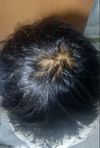
The user is using 2.5 mg oral minoxidil, rosemary essential oil with olive oil, biotin, folli hair tablets, and a rice water mask for hair regrowth. Another user inquired about finasteride, and others wished the user good luck and asked for updates.
The conversation discusses a video about GT20029, a treatment for hair loss, and its comparison to KX826. Users express interest in the video's effectiveness and potential, and praise its informative content.
Creatine may increase DHT levels, potentially leading to hair loss, but whey protein and BCAAs are generally considered safe for hair. Finasteride can mitigate creatine's effects on hair loss.
Using vitamin C in shampoo to adjust pH levels can improve hair health and reduce oiliness and dandruff. The user mixed vitamin C powder with conditioner, achieving positive results.
The conversation humorously discusses various hair loss treatments and options, including Minoxidil, finasteride, RU58841, biotin, ketoconazole, saw palmetto, dutasteride, and nutrition. It also mentions hair extensions and hairstyling as methods to achieve desired hairstyles.
A user wants to add cetirizine tablets to their minoxidil bottle and asks how many 10mg tablets to crush for a 100ml bottle. They seek advice on the correct dosage.
A user shared a DIY recipe for a NutraKos-style amino acid mix as a cost-effective alternative to the expensive product, suggesting it as a complementary supplement for hair loss. Another user argued that proven treatments like finasteride and minoxidil are more reliable, questioning the efficacy of the amino acid mix.
The conversation discusses the potential release of Winlevi in 2019 by Cassiopeia for hair loss treatment. It suggests a regimen combining minoxidil, Winlevi, Nizoral, and possibly dermarolling, with a comment mentioning Breezula as an alternative to finasteride without side effects.
The conversation is about whether Saw Palmetto, which has similar but less potent effects to Finasteride, could cause the same side effects due to lowering DHT levels. The user is considering oral Saw Palmetto as an alternative to Finasteride for hair loss treatment.
Kintor plans to release pyrilutamide foam and a plant-based Koshine by year-end, with GT20029 progressing in their pipeline. Users are pleased about the absence of propylene glycol (PG) in the new products.
The conversation is about using DIY copper peptide (GHK CU) serum for microneedling to address hair loss, with additional treatments including Nizoral for DHT reduction and red light therapy. The user is considering adding Minoxidil but is concerned due to having cats.
The conversation discusses confusion about how Minoxidil promotes hair growth compared to other substances like Menthol, which have similar actions. The user mentions personal positive results with peppermint oil extract and is currently trying L-citrulline for its vasodilation effects.
The user is experiencing scalp irritation from using RU58841 with a 70% ethanol and 30% propylene glycol vehicle and is considering switching to a less irritating vehicle, such as 30% ethanol with 70% squalane or emu oil. They are seeking feedback on the effectiveness and irritation levels of these alternative carriers.
The conversation discusses why CB-03-01, a potential hair loss treatment, isn't widely discussed despite evidence of its effectiveness and safety. Some users mention other treatments like melatonin, procianidin b2, and RU58841, debating their effectiveness and safety.
Hair loss discussion involves ZeroMino from Minoxidilmax, with ingredients like Azelaic acid, Adenosine, Biotin, Caffeine, Niacinamide, Retinol, and Melatonin. Company refuses to disclose concentration of ingredients.
The conversation discusses whether a gluten/wheat-free diet is beneficial for hair loss when taking finasteride and minoxidil. It questions if dietary changes are necessary or if using finasteride and minoxidil is sufficient.
The conversation is about a user trying a shampoo and conditioner recommended by Derek from More Plates More Dates to slow down hair loss. The products contain Ketoconazole, pumpkin seed oil, tea tree oil, peppermint oil, and biotin, and the user is satisfied with the results so far.
The user mixes their own RU58841 solution and found that increasing the ethanol content improved absorption and reduced scalp itching. A study on minoxidil showed that penetration increased with higher ethanol concentrations, reaching maximum penetration at 90% ethanol.
The user started a hair care routine using 0.5mg finasteride daily, 2ml of 5% minoxidil, and 4.5mg of cetirizine topically to address hair loss. They plan to provide updates and are also interested in cetirizine's potential to reduce scalp itching and redness due to its anti-inflammatory properties.
The conversation is about creating a DIY topical finasteride solution using ethyl alcohol and propylene glycol. A user suggests using a compounding pharmacy instead.
The user is seeing slow hair regrowth using Minoxidil, Finasteride, a derma roller, vitamins, and zinc. Some suggest switching to dutasteride or adding other treatments, but others doubt significant cosmetic improvement due to advanced hair loss.
The user experienced hair regrowth using a chewable combination of oral minoxidil and finasteride without side effects, unlike when taken separately. The treatment is from Hims, and the user is satisfied with the progress, especially on the crown.
A 23-year-old male using minoxidil once daily is concerned about hair loss and hesitant to use finasteride due to potential side effects. Suggestions include adding finasteride, exercise, cold showers, spicy food, infrared exposure, sunbathing, and tretinoin.
A user likes a natural hair styling product that makes their hair look thicker and is seeking opinions on whether it could harm hair follicles. They also question if cold water is sufficient to wash the product out and mention they are experiencing hair thinning.
The conversation is about making homemade topical finasteride, discussing mixing it with Kirkland minoxidil and creating a solvent with alcohol, glycerin, and water. A formula suggestion includes 50% ethyl alcohol, 25% propylene glycol, and 25% distilled water.
A user is considering adding PRP and mesotherapy to their hair loss treatment and is deciding between two options: Promoitalia, which contains Phosphatidic acid, Riboflavin, and Superoxide dismutase, and the more expensive Melsmon, a human placenta derivative. They seek advice on which option to choose based on effectiveness and scientific backing.