The conversation is about the proper frequency and needle length for microneedling to treat hair loss, with a user asking if they should use a 0.5 mm derma stamp daily and a 1.5 mm stamp once a week.
Finasteride has shown great results for hair loss. The discussion also inquires about the effectiveness and side effects of Low-Level Laser/Light Therapy (LLLT).
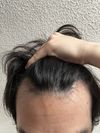
The conversation is about a user assessing their hair loss as Norwood 1.5 and discussing their use of oral minoxidil and finasteride for 2.5 years, which improved their hair density. They are content with their current progress but hope to reach Norwood 1.
A user shared progress pictures showing improvement from NW6 diffuse to NW1 after 5 months of finasteride and 2 months of dutasteride. Another user asked if these treatments affected beard or body hair thickness.
The conversation discusses the potential release of Winlevi in 2019 by Cassiopeia for hair loss treatment. It suggests a regimen combining minoxidil, Winlevi, Nizoral, and possibly dermarolling, with a comment mentioning Breezula as an alternative to finasteride without side effects.
The user experienced hair thinning from chromium and alpha lipoic acid supplements, which stopped after discontinuing them. Someone mentioned this could be telogen effluvium, a temporary condition.
The conversation is about the effectiveness of topical melatonin for hair loss. The user is asking about the duration and results of using this treatment.
The conversation discusses the effectiveness of commercial Low-Level Laser Therapy (LLLT) devices for hair growth, suggesting they are underpowered compared to the ideal energy output shown in medical research. A user plans to build a custom helmet that meets the required specifications for effective treatment.
The importance of lighting when taking progress pictures and discussing hair growth, as dramatic changes can be seen even without real improvements. The users also discussed methods such as Fin min and dermarolling for treating hair loss.
A user has been losing hair for two and a half years after a tropical trip and illness. A dermatologist prescribed betamethasone valerate 0.1% lotion, but the user is unsure if it's safe or effective for general hair loss.
The conversation is about the approval of Clascoterone (Winlevi) in Canada for hair loss treatment. One user expressed skepticism about its effectiveness due to low concentration.
People with hair loss experience emotional struggles and body dysmorphia. Treatments like minoxidil, finasteride, and dutasteride are used, but results vary and can take time.
The user is asking for opinions on low level laser light therapy for hair growth and thickening. They have been using it for a year but haven't seen significant results, attributing any regrowth to topical minoxidil.
KOSHINE826 is a new anti-hair loss and hair growth solution that claims to effectively control oil, reduce hair fall, and promote real hair growth. It targets androgenetic alopecia by inhibiting DHT and has shown promising results in clinical trials.
The conversation discusses whether a longtime NW7 scalp has vellus hairs under a microscope or is completely smooth. Treatments mentioned include Minoxidil, finasteride, and RU58841.
Low-level laser therapy hats for hair loss, with skepticism about their effectiveness and cost. Users suggest trying affordable alternatives instead of expensive options.
The user reviewed the Kiierr 312 MD DualWave Laser for hair loss, using it alongside ketoconazole shampoo, Svvimer products, and oral finasteride. They also mentioned using minoxidil on their face and adjusting lifestyle factors like sleep, vitamin D, and protein intake.
The conversation discusses hair loss treatments for a 30-year-old female, comparing red light therapy with minoxidil and finasteride. Concerns about hormonal impact and potential pregnancy are raised, with suggestions to consider spironolactone and microneedling, while emphasizing the importance of consulting a dermatologist.
The user experienced hair loss possibly due to scalp damage and tried natural treatments with limited success. They reported noticeable hair thickening after using a laser treatment device, suggesting it may be effective, especially for those on finasteride.
The conversation discusses the potential interest in non-natural colored wigs and the challenges of finding affordable, realistic wigs, especially for those experiencing hair loss. It also touches on the idea of restoring old human hair to make wigs more accessible and affordable.
KX-826 users report increased shedding, with some experiencing more shedding at higher concentrations. Users are discussing where to purchase the product.
A potential non-invasive topical treatment targeting the WNT Signaling Pathway for hair regeneration is being researched, with positive results on human hair follicle cells. Current effective treatments for hair loss include Minoxidil, finasteride, and hair transplantation.
The user experienced hair shedding after increasing minoxidil from 5% to 7% with latanoprost, possibly causing telogen effluvium. They are on HRT with Lupron, Estradiol, and Raloxifene, and are concerned about the shedding's duration.
People are discussing their experiences with kx-826 (pyrilutamide) for hair loss, using concentrations of 0.5% and 0.9%. They are sharing personal results and progress with this treatment.
Winlevi (clascoterone), a DHT blocker, is being considered for hair loss treatment, though it's primarily an acne medication. Users discuss its potential effectiveness and note it may only work for a short time.
The conversation is about finding the optimal concentration of topical melatonin for hair loss treatment. The user is considering making their own solution and is unsure whether a higher concentration is more effective for deactivating prolactin receptors.
Low-Level Laser Therapy (LLLT) is considered expensive and may not provide significant benefits, with some users suggesting alternatives like finasteride, minoxidil, and microneedling. Many users report limited success with LLLT and similar treatments, recommending more proven options instead.
Fluorescent lighting makes hair look thinner, causing concern about appearance. Some users consider treatments like DUT, while others share experiences of hair looking better in different lighting or conditions.
LLLT (low-level laser therapy) is as effective or better than traditional minoxidil treatment for hair growth, with fewer side effects and improved long-term compliance due to milder adverse effects. Studies show LLLT increases hair density more than minoxidil, but drawbacks include the initial cost and the need for long-term use to see results.
A 31-year-old uses Minoxidil, RU58841, Reviv Hair Serum, and Ketoconazole shampoo for hair loss but avoids finasteride. They plan to reintroduce red light therapy (LLLT) and Eucapil despite previous shedding concerns.